


Whether it's John Denver's classic "Take Me Home, Country Roads" or Ella Langley and Riley Green's recent hit "You Look Like You Love Me," country music has always held a special appeal for people.
Country music features unpretentious melodies and stories, with vocals and instruments blending naturally within the songs. The details hidden within the music are often deeply moving. Consequently, sound quality is of the utmost importance in country music.
In the past, traditional equipment such as record players and gramophones were the favourites of country music enthusiasts. However, the rise of streaming has brought a different kind of experience to people.
The emergence of high-fidelity audio streaming at this time is therefore essential, offering country music fans a convenient and high-quality listening experience.
Meaning of High Fidelity Audio Streaming
Lossy compression results in the loss of some audio information, whilst poor-quality digital-to-analogue conversion may introduce distortion or other audible artefacts. Lossless streaming, on the other hand, preserves the original audio information without lossy compression. Simply, lossy streaming is like a photocopy where you can make out the general outline, whilst lossless streaming is like a near-perfect replica.
As more and more people choose to listen to music through streaming services, more streaming services support lossless audio. For example, Apple Music, TIDAL, Qobuz, Amazon Music Unlimited and Spotify. Listeners can find that they can get high-fidelity music easily in their daily lives.
Why Country Music Sounds Better with High Fidelity Audio Streaming
Many people say that they also can listen to the sound and know the meaning of the song from the lossy streaming audio. Why should they choose high-fidelity audio streaming? Is it necessary to make a big investment just to listen more clearly? Here are the reasons:
The Clear Vocals
Lyrics and storytelling are important parts of country music. When you listen to the song, you can feel like a person is sitting in front of you and telling a story or sharing an experience. Country music brings stories to everybody. It is important to hear warm and organic vocals clearly.
The Delicate and Clear Sound of Acoustic Instruments
One of the special features of country music is its use of acoustic instruments. Country music often retains much of the sound and playing texture of real instruments. Acoustic guitars, fiddles, banjos, mandolins, steel guitars, and dobros each bring their own distinctive tone and texture to a song.
Unlike some highly electronic music which relies mainly on synthesizers, electronic sound effects and heavy production, country music focuses on the natural atmosphere. People can not only hear the natural sound of the instruments, but also hear more details in their performance. The guitar is one of the most famous instruments in country music. During the song, people can listen to the sound of a plucked string, details of finger movement on the strings and changes in dynamics. And people also can hear the texture of the strings themselves and the warmth of the wooden guitar.
A high-fidelity audio system can help listeners capture the instrument in the greatest detail, making the sound more natural.
Rich and Natural Instrumental Arrangements
Country music is not limited to simple guitar accompaniment or the accompaniment of a single instrument. It typically incorporates a diverse range of acoustic instruments, and the detail, layering and dynamic range produced by these instruments can be clearly reproduced through a high-quality audio system.
How to Build a High Fidelity Audio Streaming Setup for Country Music
Choose a High Fidelity Music Source
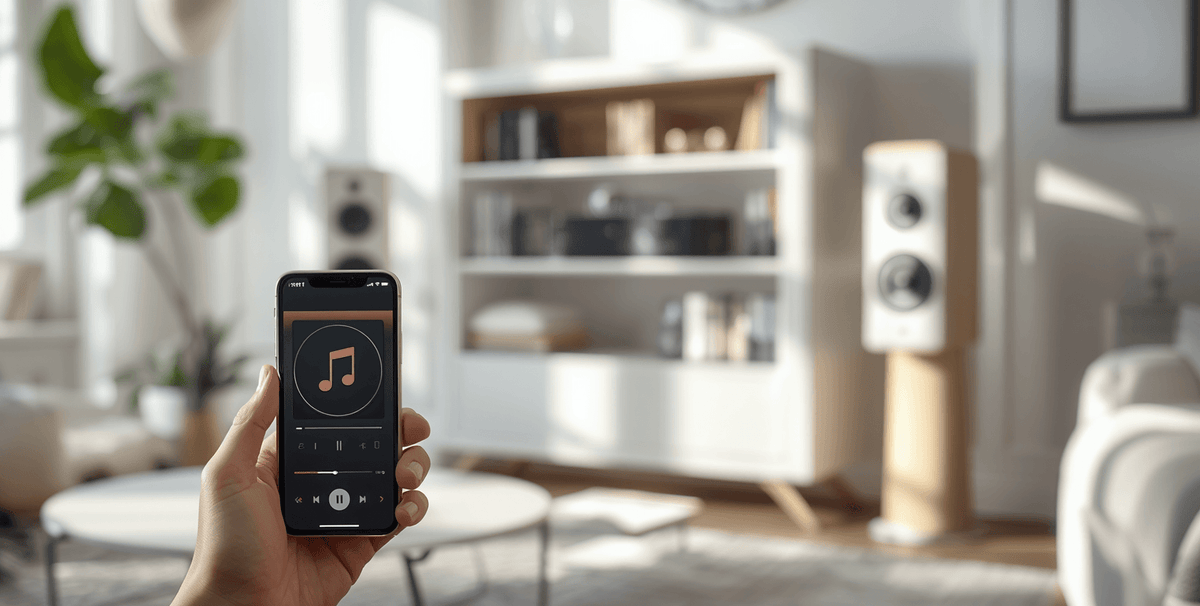
Streaming music is convenient and easy to play without time and place limitations. Choosing a lossless or high-quality streaming option is a good start for a high-fidelity audio setup.
Popular streaming services such as Spotify, Qobuz and TIDAL offer lossless music to listeners. If you are an existing user of those platforms, it is an easy way to get your favorite Hi-Fi music. The next question is how to bring that music into your home audio system without compromising the listening experience.
A streamer provides an excellent solution to this problem. It integrates streaming services into your home audio system, making it smarter and more convenient.
Choose High Fidelity Audio Device
Simply ensuring you have a high-fidelity audio source is not enough. Listeners need to pair it with the right high-fidelity audio equipment.
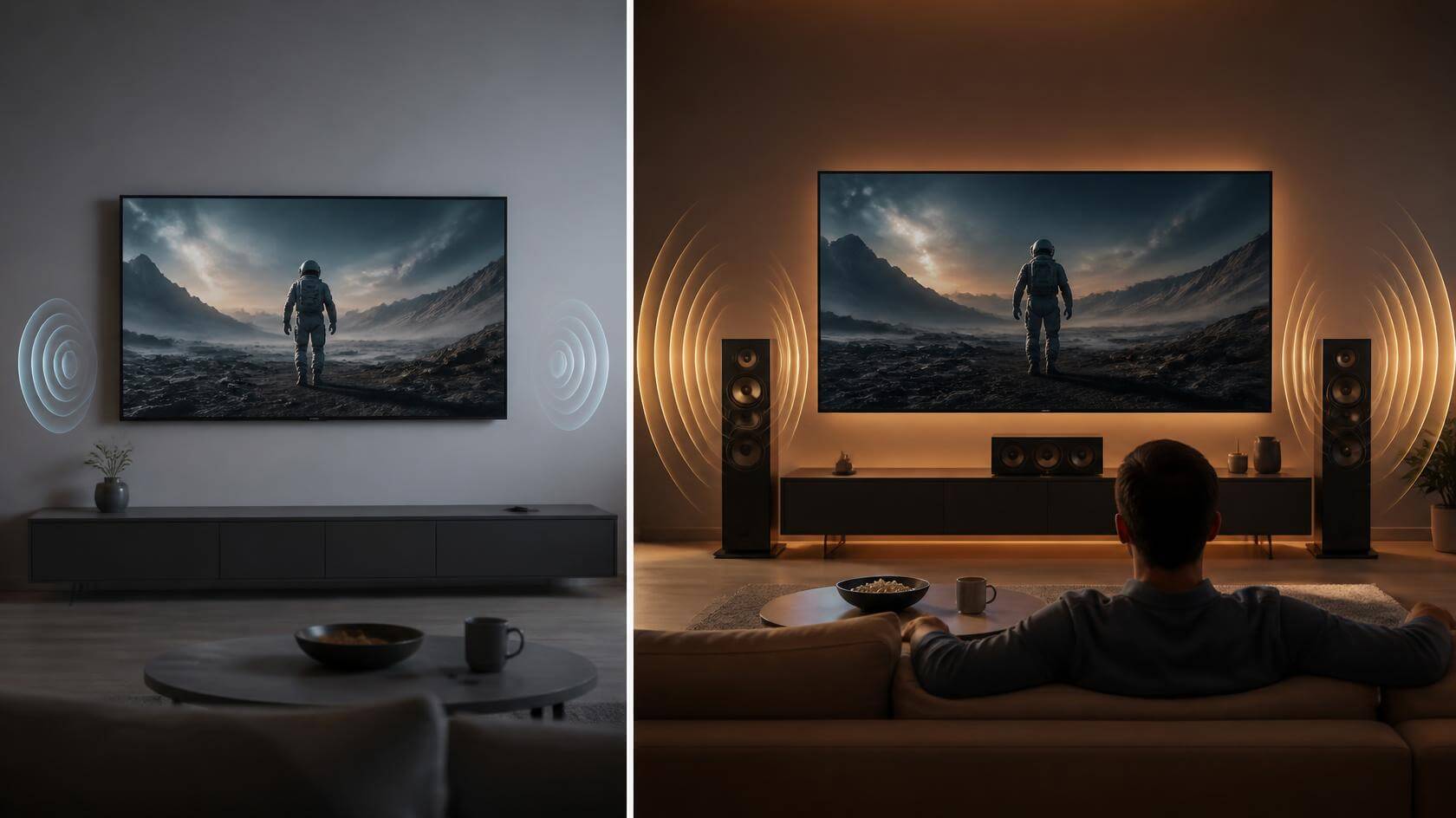
Users can choose equipment based on their individual circumstances. Adding soundbars, streaming players, amplifiers, speakers and so on are all ways to improve sound quality.
Consider the Listening Space
Even with high-quality streaming music and Hi-Fi audio equipment, that is still not enough to take advantage of the Hi-Fi system. Vocals and acoustic instruments are important parts of country music. Soundstage and separation will greatly affect the listening experience.
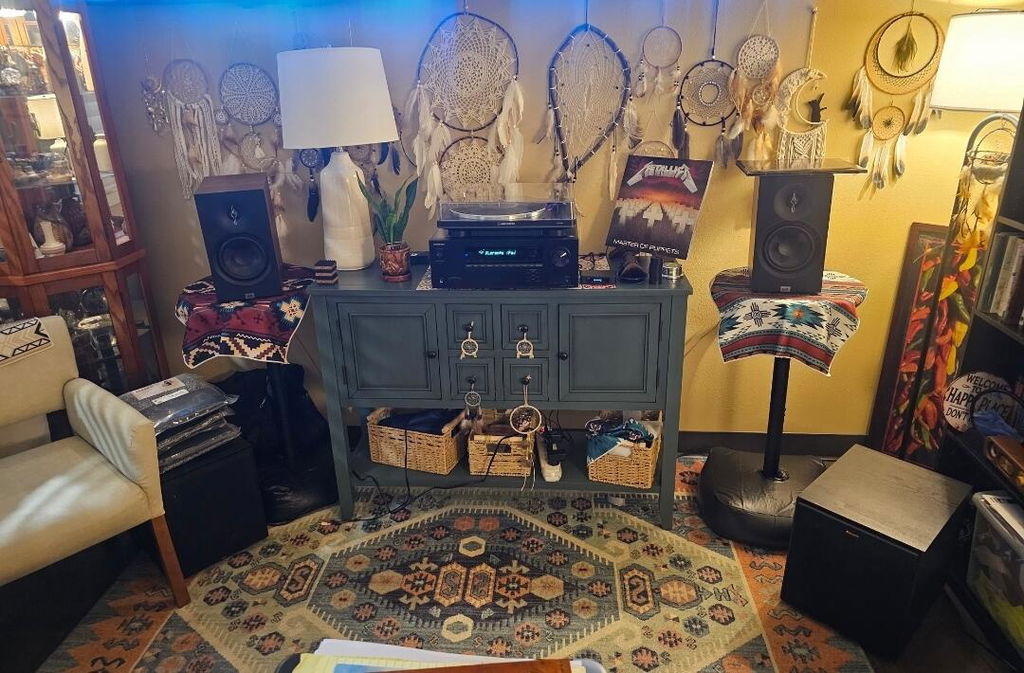
Speaker placement and listening position should be considered. You should put speakers in the right position and make sure your speakers are at equal distances, so that you can hear balanced right and left channels. Sitting in the right position between the speakers makes vocals and instruments feel more naturally positioned.
Room size also should be thought of by listeners. Small rooms don't necessarily need particularly large speakers, nor do they necessarily need very strong bass. A compact room may work better with a small Hi-Fi setup, and a big room may work better with a powerful Hi-Fi system.
Keep Your Setup Simple
People may think that high fidelity audio streaming is a problem. They need to buy lots of products and redesign their house for the Hi-Fi system. But actually, only a simple setup can satisfy many country music lovers' needs.
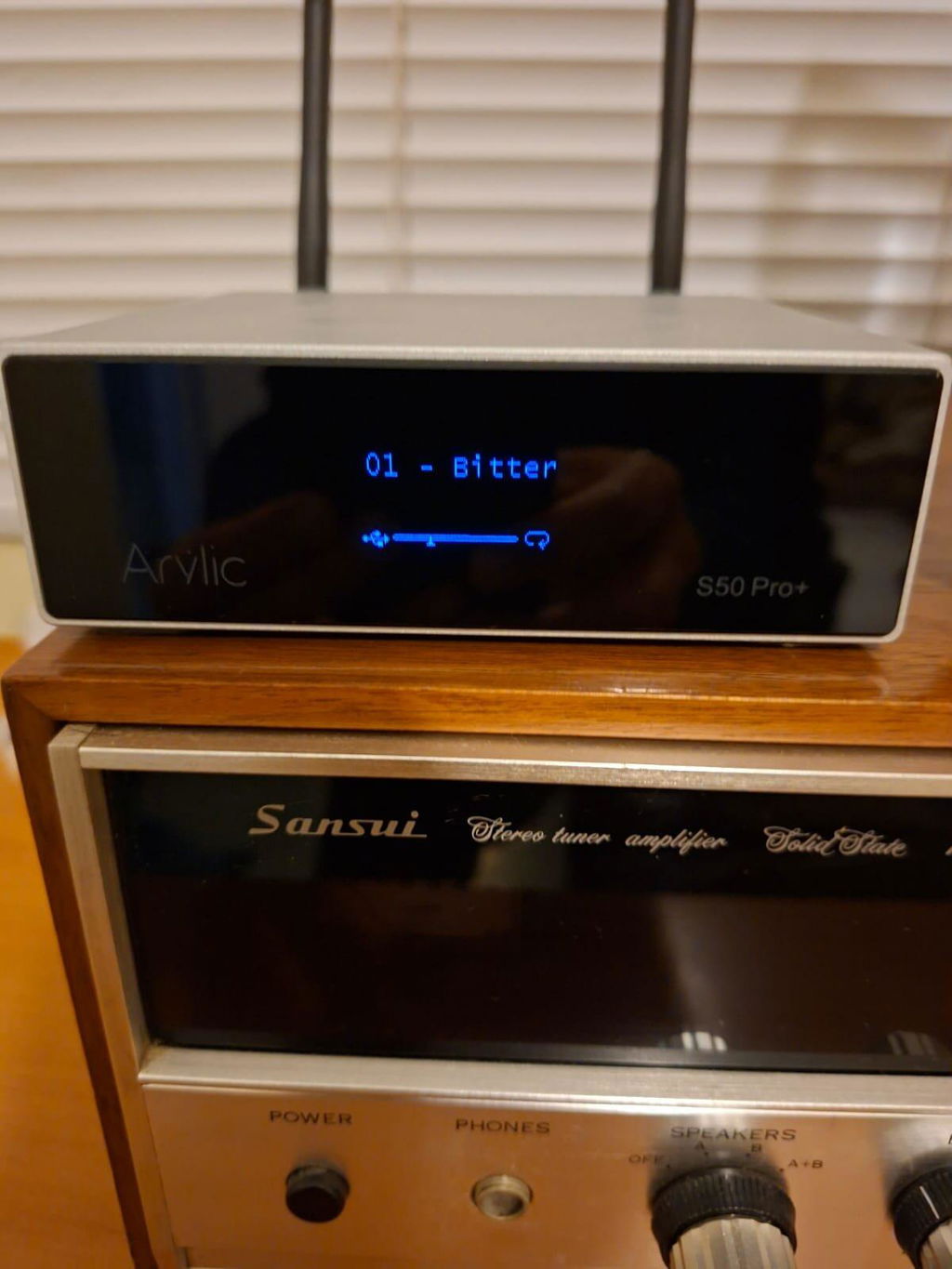
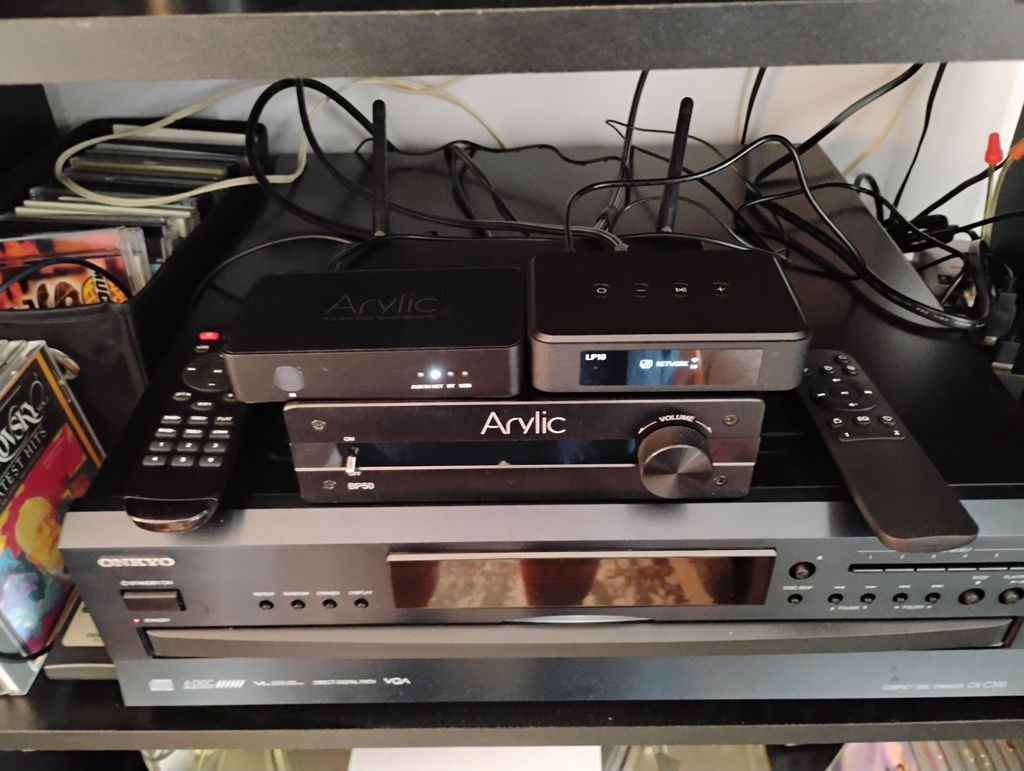
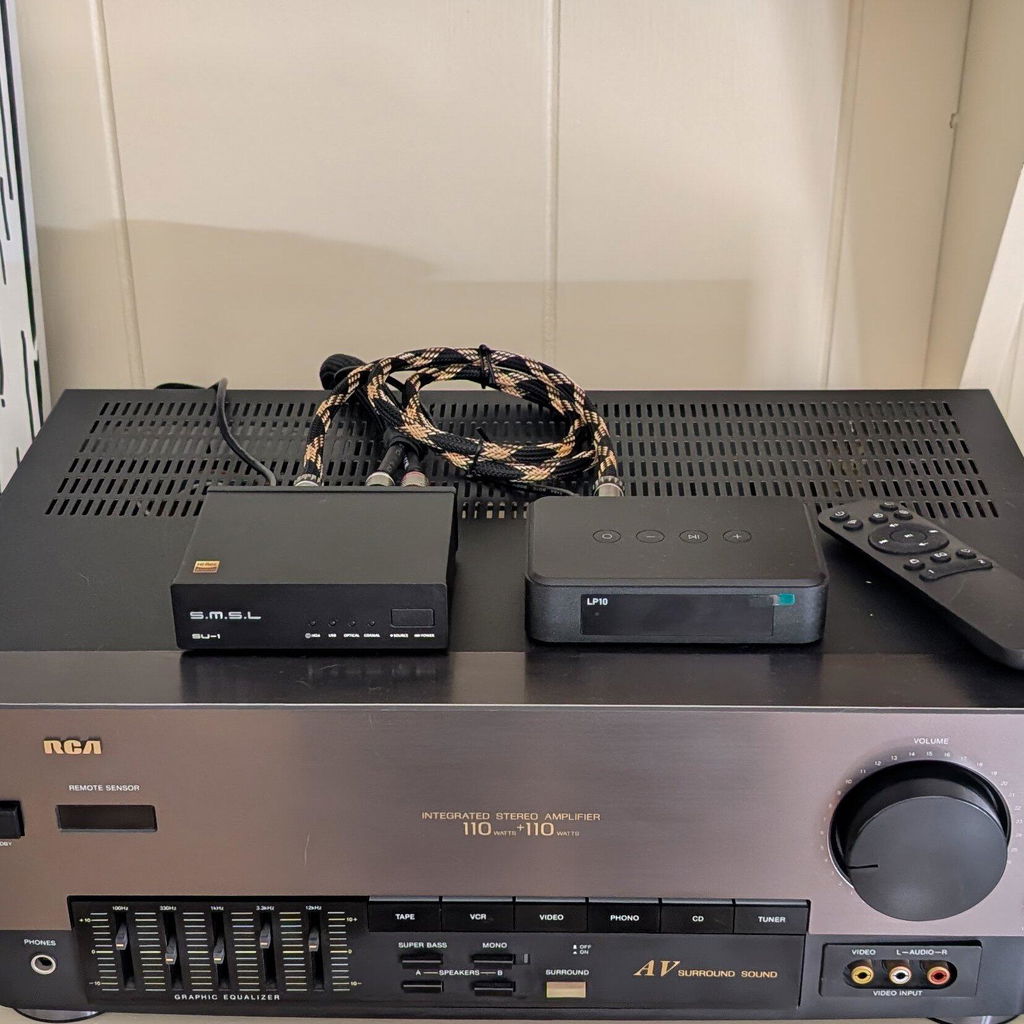
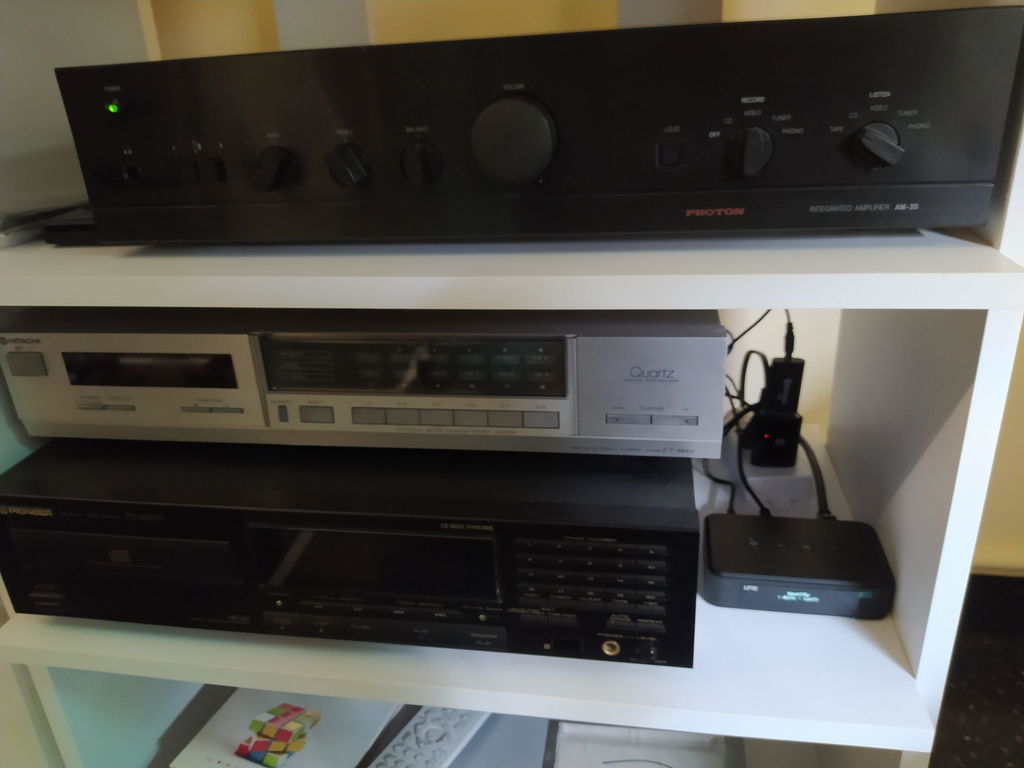
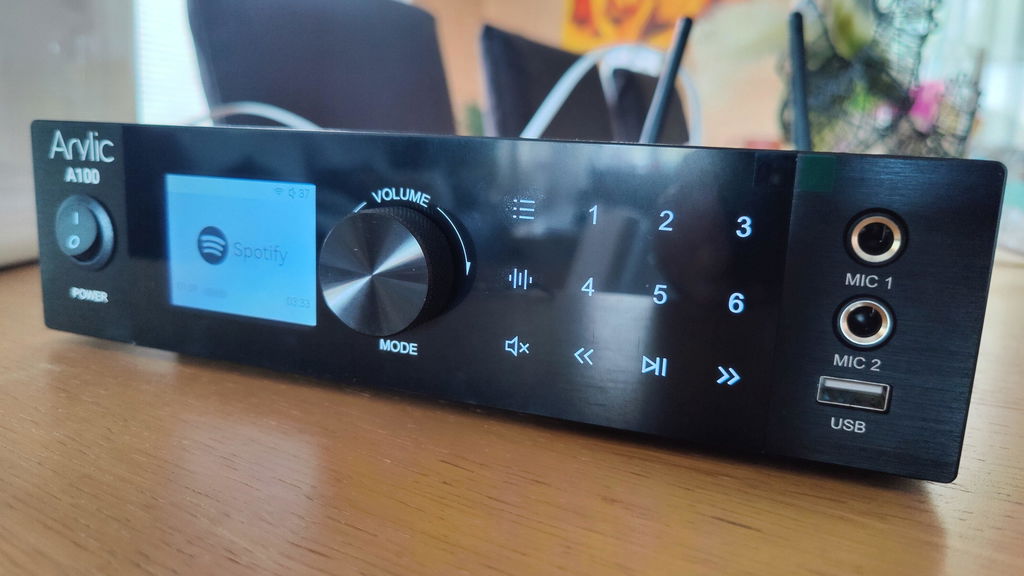
For a traditional Hi-Fi setup, you might need a streamer, a DAC, a preamplifier, an amplifier and speakers. But a modern streaming amplifier can simplify this setup by combining multiple components into one device. For listeners who already have an amplifier and speakers, adding a streamer can simply upgrade your audio system.
Depending on your existing setup, Arylic offers different ways to bring high-quality streaming into your home audio system.

Choose High Fidelity Audio for Country Music
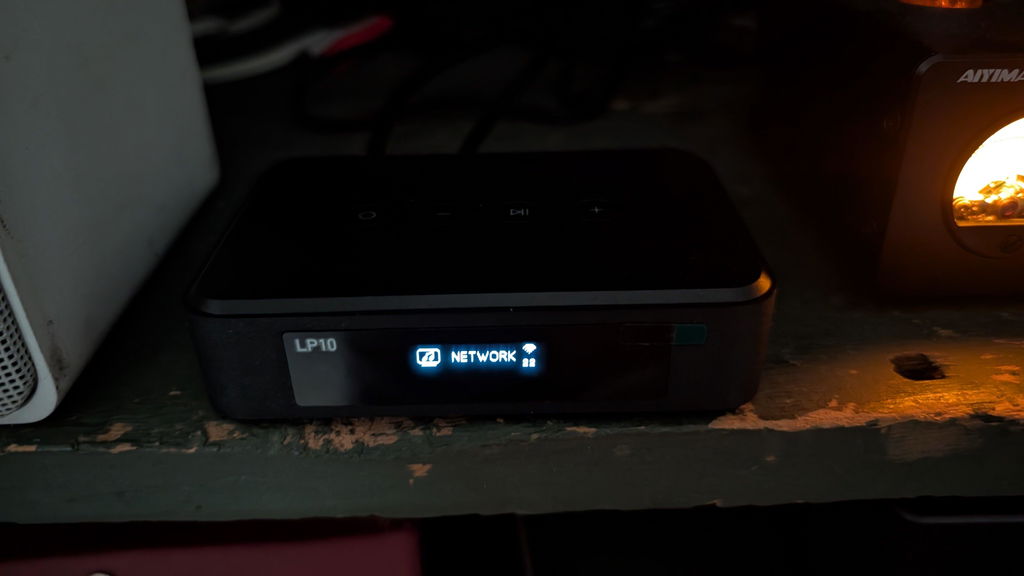
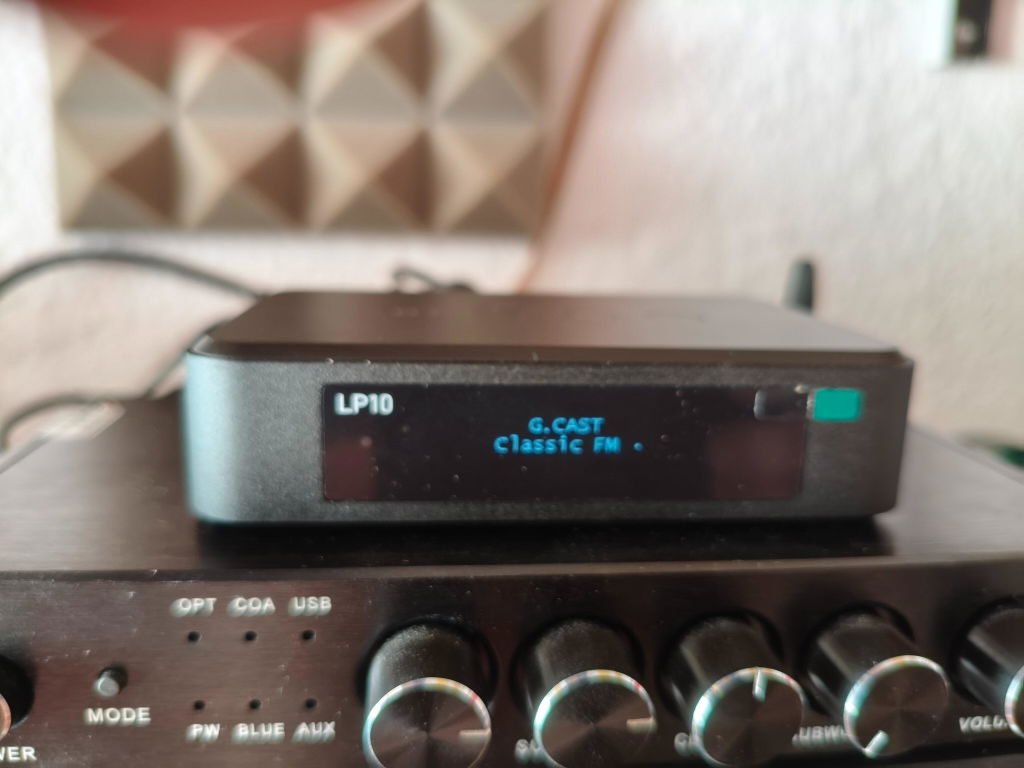
Arylic LP10 Music Streamer: Entry-Level Streaming Upgrade
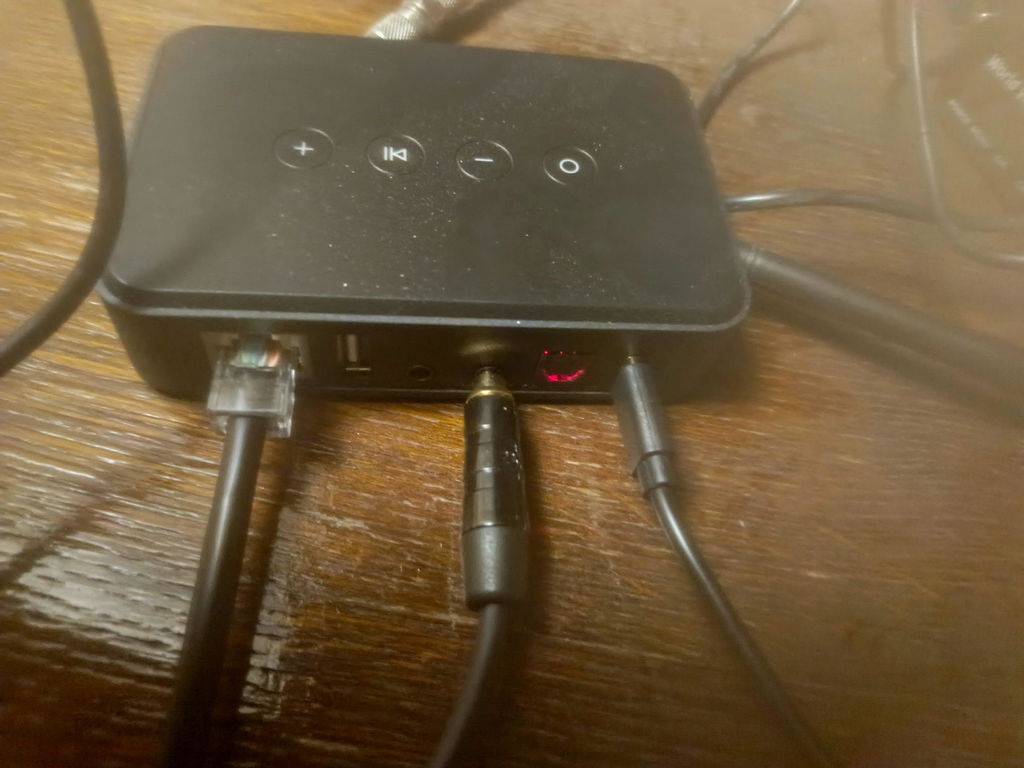
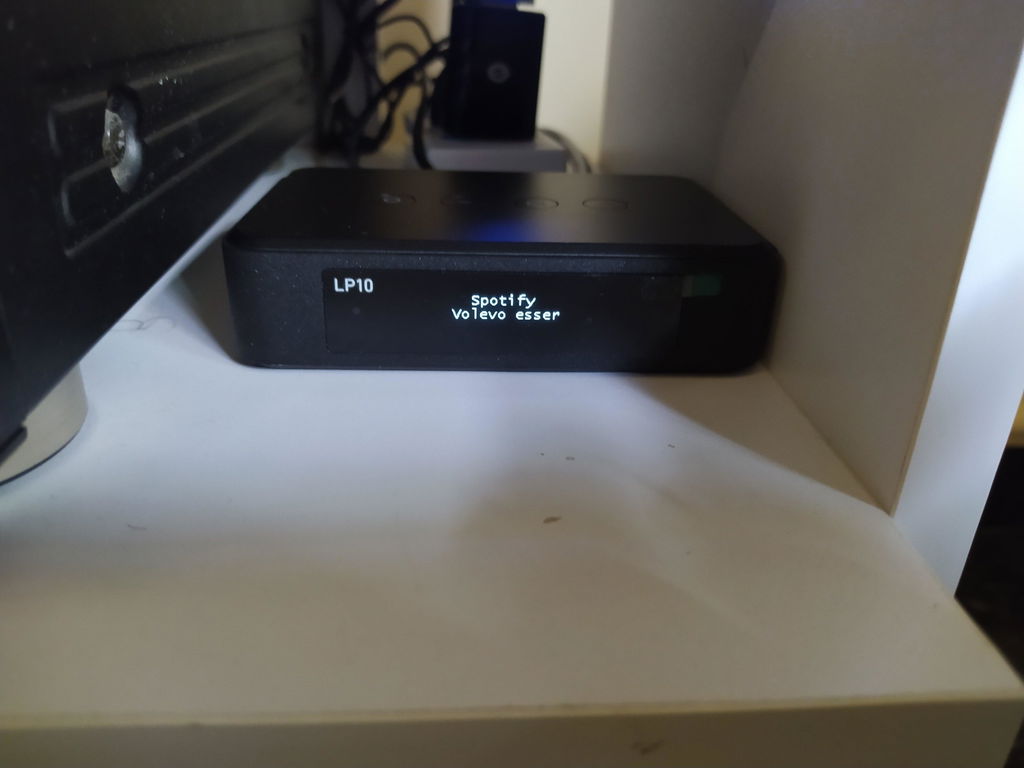
If some people already own a traditional amplifier or active speakers, simply add the LP10 to your existing audio system to upgrade your streaming capabilities. You can then stream your prepared playlists directly to the LP10.
Explore more: https://www.arylic.com/products/lp10-music-streamer
Arylic LP20 Music Streamer: A Flexible Upgrade for Your Hi-Fi System
LP20 features clear sound. At the same time, LP20 supports more inputs and outputs than LP10. LP20 can add streaming and connect with other audio components, making it easier to build a versatile setup for everything from country playlists to your wider music collection.
Explore more: https://www.arylic.com/products/lp20-music-streamer
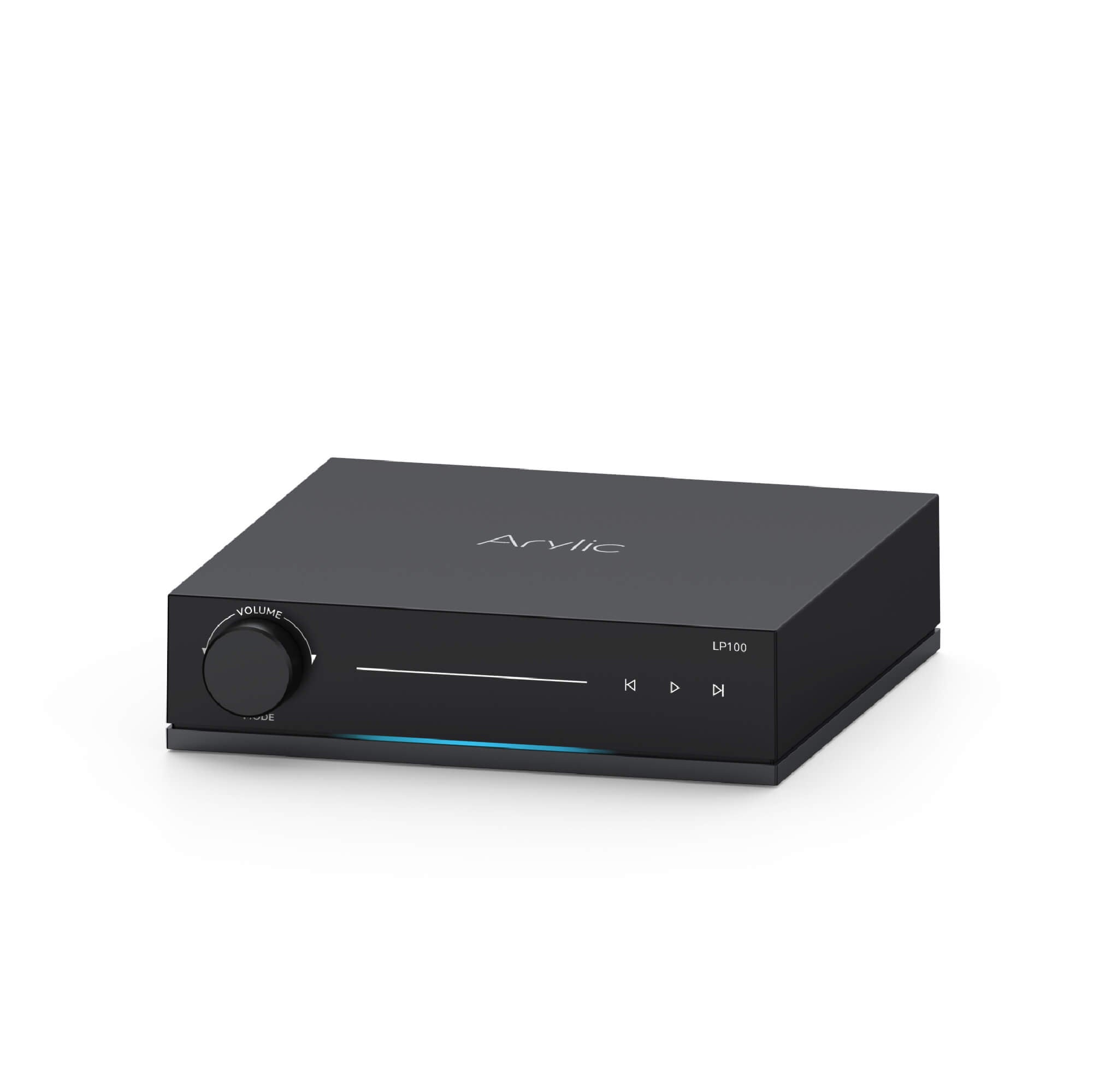
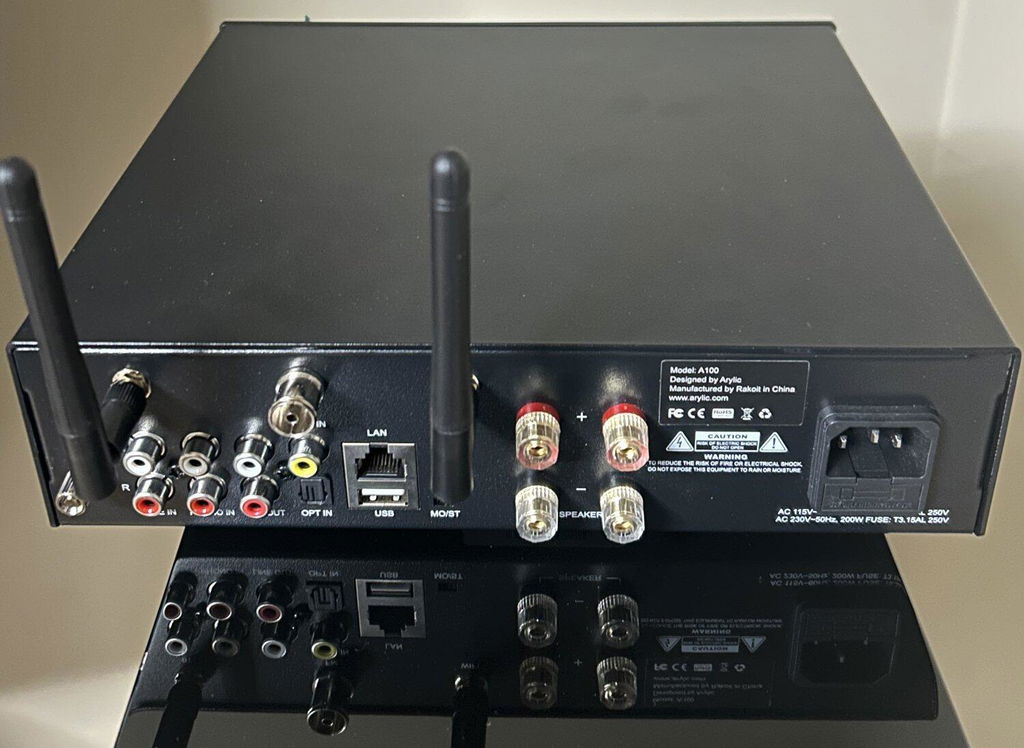
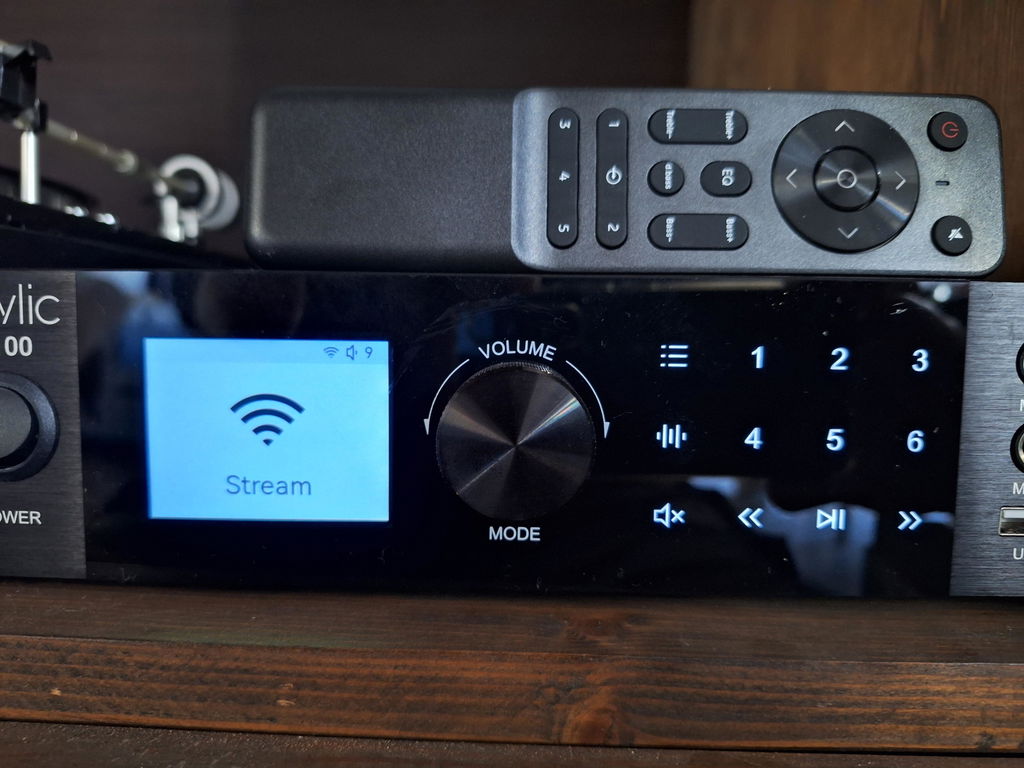
Arylic LP100 Music Streamer: Bring Your Audio Sources Together
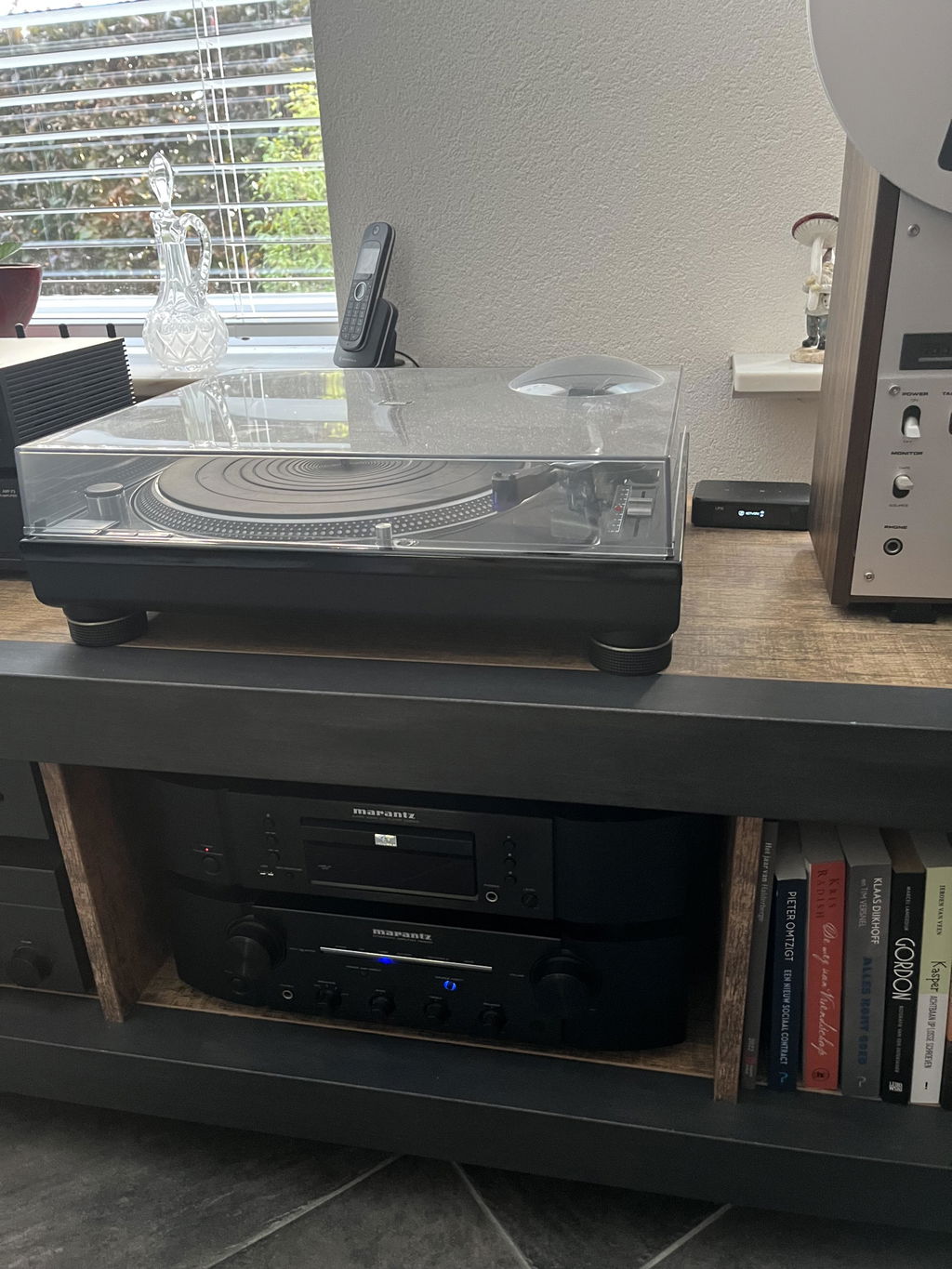
LP100 can be the center of your Hi-Fi audio system. It can connect to more devices and can link other devices together to form a complete system. For listeners who enjoy vinyl, LP100 can directly connect to a turntable, bringing vinyl playback and streaming together in one system.
Explore more: https://www.arylic.com/products/lp100-music-streamer
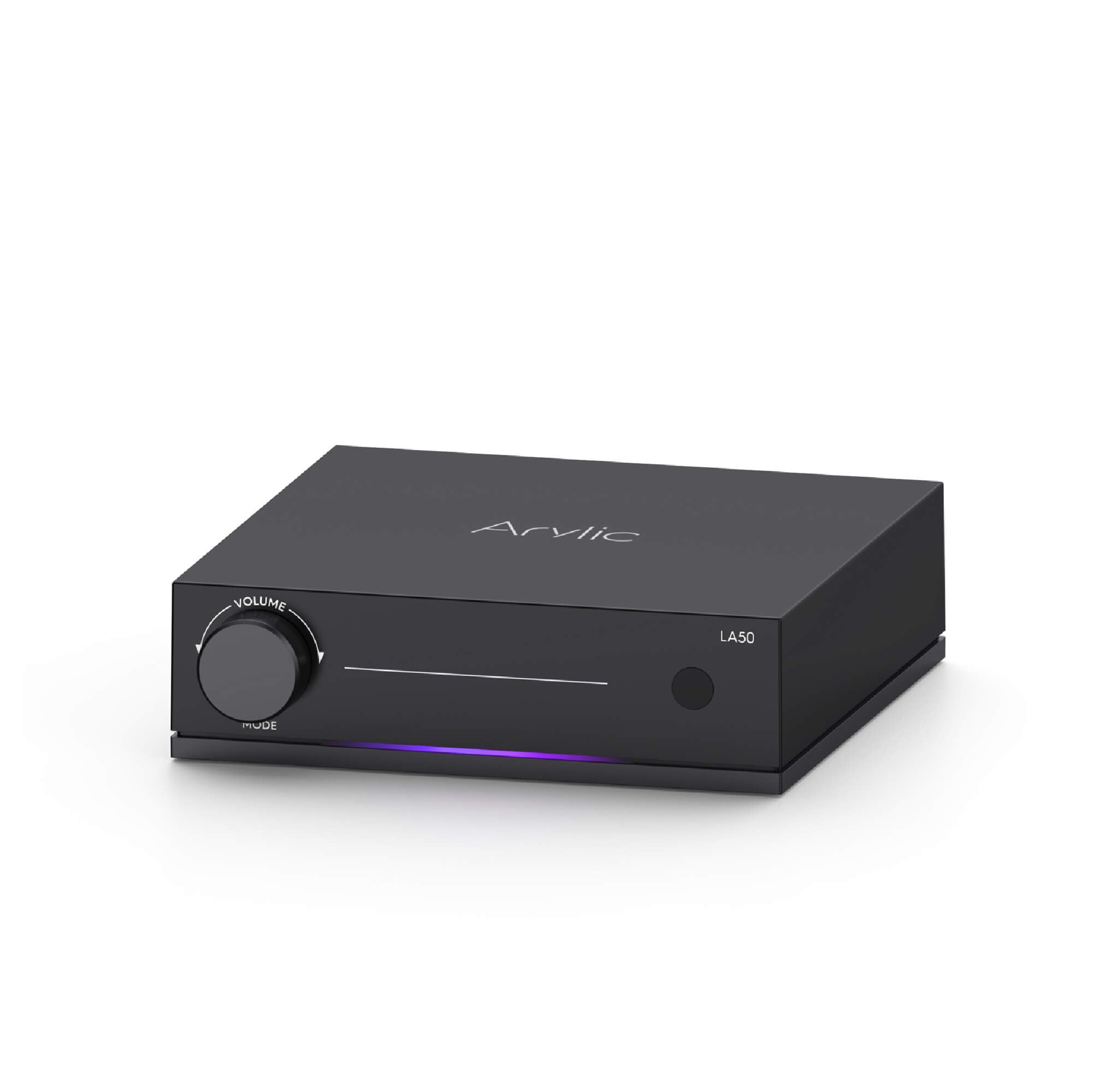
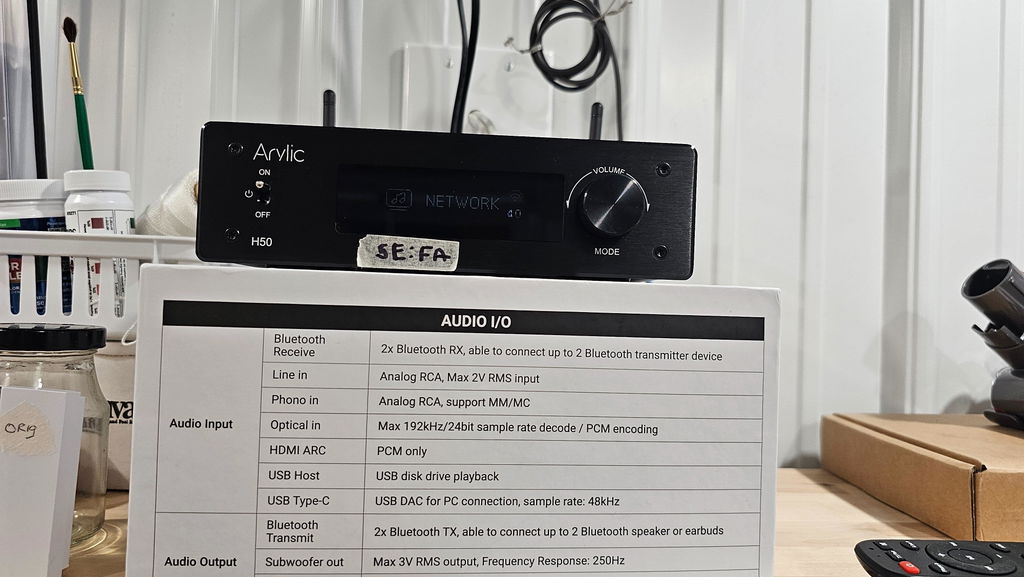
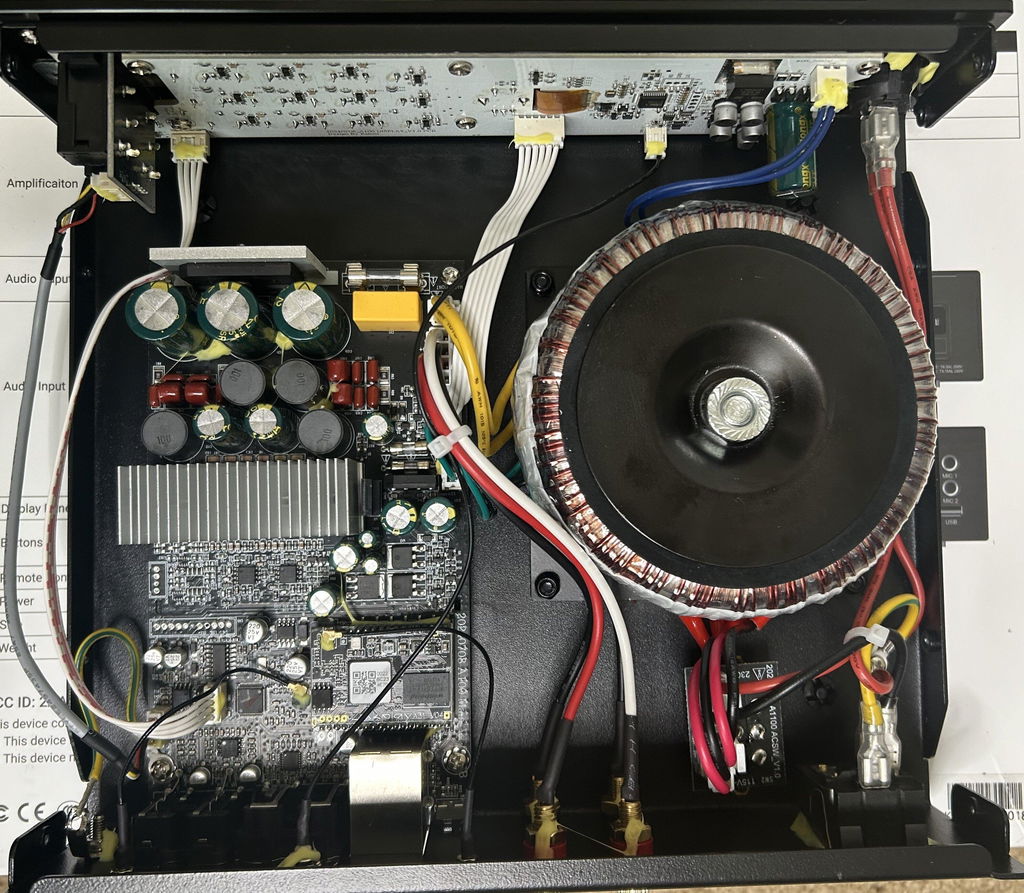
Arylic LA50 Streaming Amplifier: All-In-One Setup
Traditional Hi-Fi systems often use passive speakers. For some people who already have a pair of passive speakers, LA50 provides a simple streaming upgrade without any complicated operation.
Explore more: https://www.arylic.com/products/la50-streaming-amplifier
LP10 vs LP20 vs LP100 vs LA50
|
|
LP10
|
LP20
|
LP100
|
LA50
|
|---|---|---|---|---|
|
Best for
|
Simple streaming upgrade
|
Flexible Hi-Fi setup
|
Complete audio system
|
Compact all-in-one setup
|
|
System approach
|
Add streaming to an existing system
|
Expand and upgrade your system
|
Connect multiple sources
|
Combine streaming + amplification
|
|
Audio Format (Up to)
|
24-bit/192kHz (Hi-Res)
|
24-bit/192kHz (Hi-Res)
|
24-bit/192kHz (Hi-Res)
|
24-bit/192kHz (Hi-Res)
|
|
Audio Input
|
USB, Line in
|
Line in, Optical in, USB, USB DAC (Type-C)
|
Line in, Optical in, USB, USB DAC (USB-B), Phono in, Coaxial in, TV eARC
|
Line in, Optical in, TV in (ARC), USB host, USB DAC (Type-C)
|
|
Audio Output
|
Line out, Optical out
|
Line out, Optical out, Coaxial out, Subwoofer out, 12V Trigger out
|
Line out, Optical out, Subwoofer out, 12V Trigger out
|
Subwoofer out, Speaker out
|
|
Wireless Capability
|
Wi-Fi (2.4GHz/5GHz), AirPlay(2), Google Cast (Chromecast), Spotify Connect, TIDAL Connect, Qobuz Connect, QQ Play, Bluetooth, UPnP, DLNA,
Roon Ready (LP100 only)
|
|||
|
Multiroom
|
AirPlay(2), Google Cast (Chromecast)
Roon Ready (LP100 only)
|
|||
**Maximum supported format varies by input. For example, LA50's USB-C PC input supports up to 48kHz.
There is no absolute answer as to which device you must choose. Choosing the device that best fits your needs is the right answer.

Conclusion
A high-fidelity audio streaming setup doesn't need to be complicated. The ultimate purpose is to help people enjoy the warmth of country music and reconnect with its natural sound. Whether you prefer a simple streaming setup or a more complete Hi-Fi system, the right setup can make every country song a little more enjoyable.

Leave a comment
All comments are moderated before being published.
This site is protected by hCaptcha and the hCaptcha Privacy Policy and Terms of Service apply.