


It is exciting for Hi-Fi beginners to start building a high-quality home audio system. The first step in building a home audio system is choosing the right audio equipment. However, there are many kinds of audio devices on the market. How can beginners choose the right one?
Beginners often encounter lots of questions. As two important components of a Hi-Fi audio system, preamps and amplifiers are often confusing for beginners. Some people think a preamp is optional, while others believe an amplifier alone is enough. Many beginners do not even know the difference between them. It is completely normal to have these questions at the beginning of your Hi-Fi journey.
Many beginners are troubled by these problems. Therefore, this article aims to resolve these puzzles and provide some alternative directions for Hi-Fi beginners.
What Is a Preamp
"Preamp" is short for "preamplifier". A preamplifier performs three main functions in a Hi-Fi system.
First, users can choose the audio source. Second, users can adjust the volume through the preamp, rather than adjusting each device individually. Finally, it prepares a low-level audio signal before sending it to the power amplifier.
The preamplifier is about control. It manages the audio signal before it is sent to the power amplifier for actual speaker driving.
What Is an Amplifier
"Amp" is short for "amplifier". The main function of the amplifier is to receive weak audio signals and amplify them to drive speakers.
There are different types of amplifiers. In Hi-Fi systems, amplifiers are usually divided into two categories according to different purposes: power amplifiers and integrated amplifiers.
The functions of power amplifiers and integrated amplifiers are not exactly the same. Therefore, beginners should recognize the difference between the two and choose an amplifier suitable for their own audio system.
What Is a Power Amplifier
For example, a power amplifier is the engine of a car. It can power cars, but it still requires other components to control and operate the vehicle.
Simply put, a conventional power amplifier can receive a low-level audio signal from the preamplifier and then drive the speakers. Without a preamplifier, a power amplifier cannot function as a complete audio system.

What Is an Integrated Amplifier
Integrated amplifiers combine preamplifiers and power amplifiers. In addition to the power amplifier function, the integrated amplifier can also control the volume and switch the input source.
An integrated amplifier can be compared to a car that combines the engine, steering wheel, and accelerator into one complete system.

How a Preamp and an Amplifier Work Together
In Hi-Fi audio systems, preamplifiers and amplifiers usually work together to deliver pleasant sounds to the listener.
The audio source first connects to the preamp. The preamp selects the input and controls the volume before passing the signal to the amplifier. The amplifier then drives the speakers to produce sound.
Which Is Right for Hi-Fi Beginners
It's not a single-choice question between a preamp and an amplifier, and there is no single "best" answer. The right option depends on the users' ultimate purpose.
Starting First Hi-Fi System: Integrated Amplifier
The integrated amplifier provides a simple and all-in-one solution for beginners.
The functions of a preamplifier and a power amplifier are combined in a single device. Beginners no longer need to choose preamp and power amp, nor do they need to learn complex cabling. At the same time, the integrated amplifier has modern streaming functions, so users have a lot of audio options.
Upgrading an Existing Hi-Fi System: Preamp
For users who already have an amplifier, adding a preamplifier is a convenient option.
already own a perfectly good amplifier that simply lacks modern streaming. Choosing a good preamplifer can improve audio quality while endowing the audio system with streaming capabilities.
Building a Separate Component System: Preamp and Power Amplifier
Many users who have basic Hi-Fi experience and creative ideas, adding a preamp and a power amplifier is a flexible and interesting way. This approach offers the greatest flexibility. However, it also requires more time, effort, and technical knowledge.

Comparison of Preamp, Power Amplifier and Integrated Amplifier
|
|
Preamplifier
|
Power Amplifier
|
Integrated Amplifier
|
|---|---|---|---|
|
Main Function
|
Controlling audio signals and volume
|
Amplifying low-power signals
|
Controlling audio signals and volume, amplifying low-power signals
|
|
Signal Role
|
Control center
|
Power output
|
Overall processing
|
|
Volume Control
|
Yes
|
No
|
Yes
|
|
Input Switching
|
Yes
|
No
|
Yes
|
|
Speaker Driving
|
No
|
Yes
|
Yes
|
|
Ease of Setup
|
Medium
|
Medium
|
Easy
|
|
Components Required
|
Requires Power Amp
|
Requires Preamp
|
Works alone
|
|
System Flexibility
|
High
|
High
|
Medium
|
|
Suitable for
|
Advanced users
|
System builders
|
Beginners
|

How to Build a Hi-Fi System
After understanding the basic concept and differences of preamplifiers and amplifiers, the next step is to build your own Hi-Fi setup.
With the development of streaming, lots of people are no longer satisfied with traditional component-based audio systems. Listeners want to equip audio system with modern streaming capabilities and flexibility, while also ensuring high-quality sound.
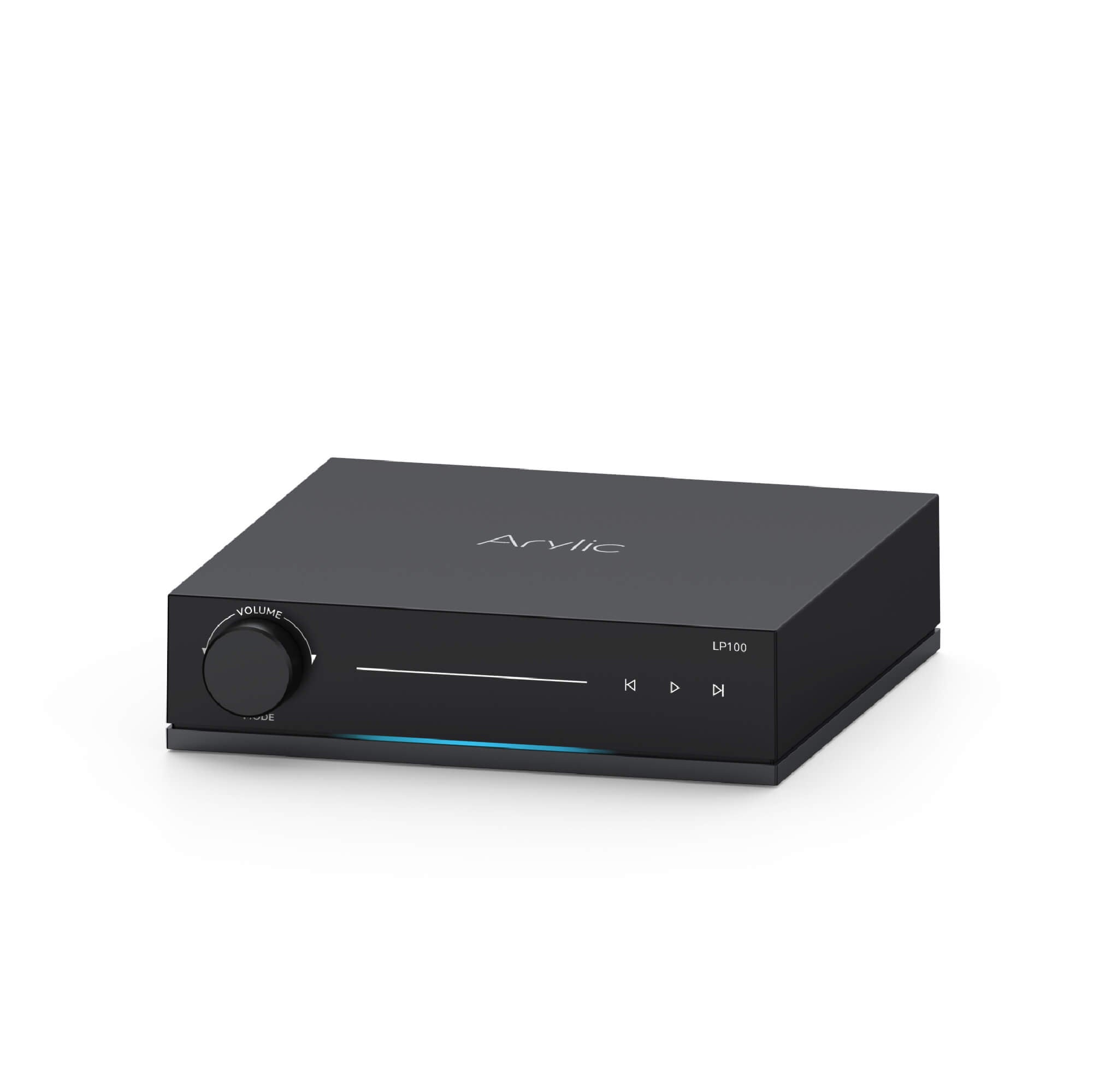
Upgrade Existing Audio System: Arylic LP Series Music Streamer
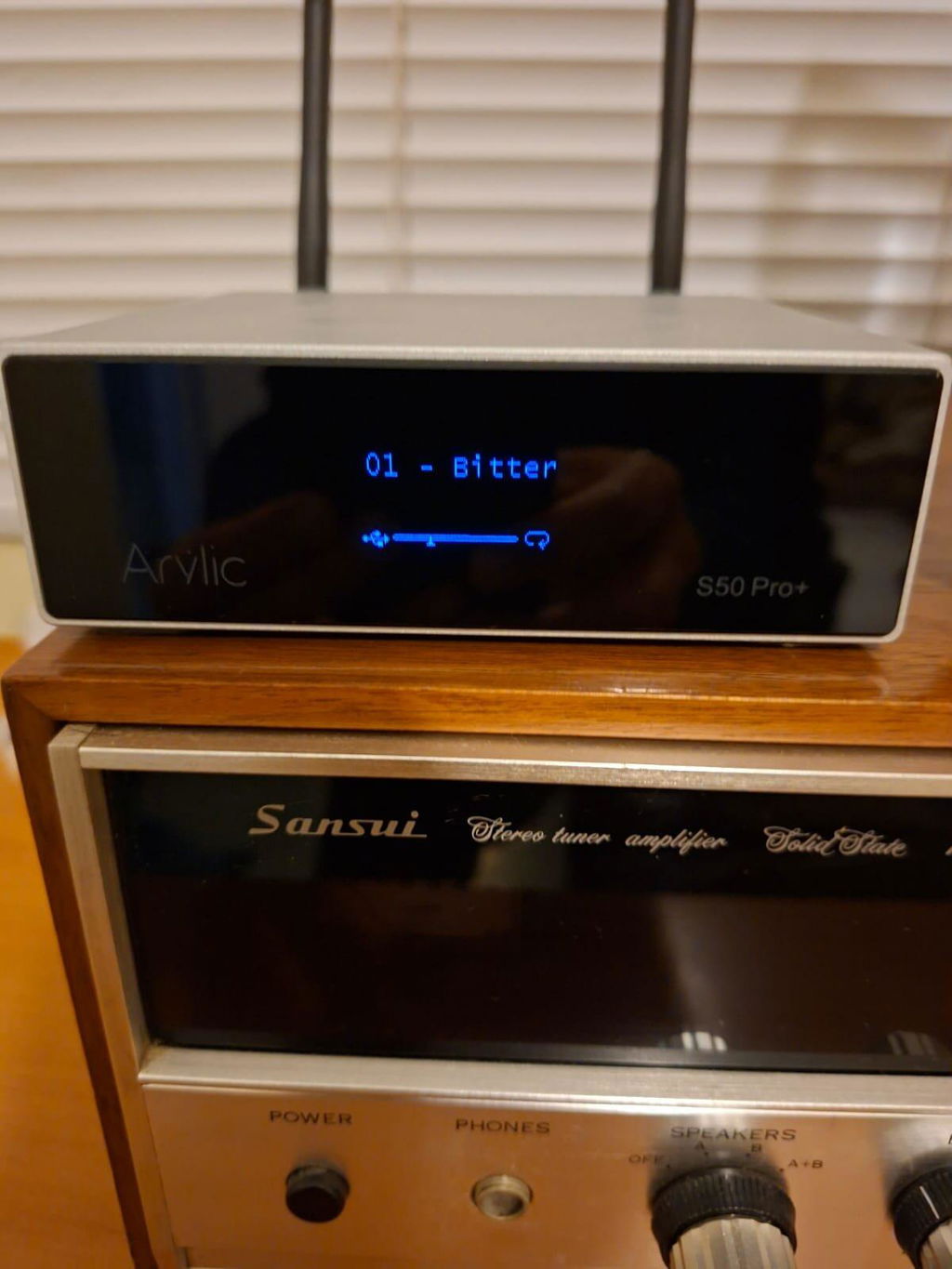
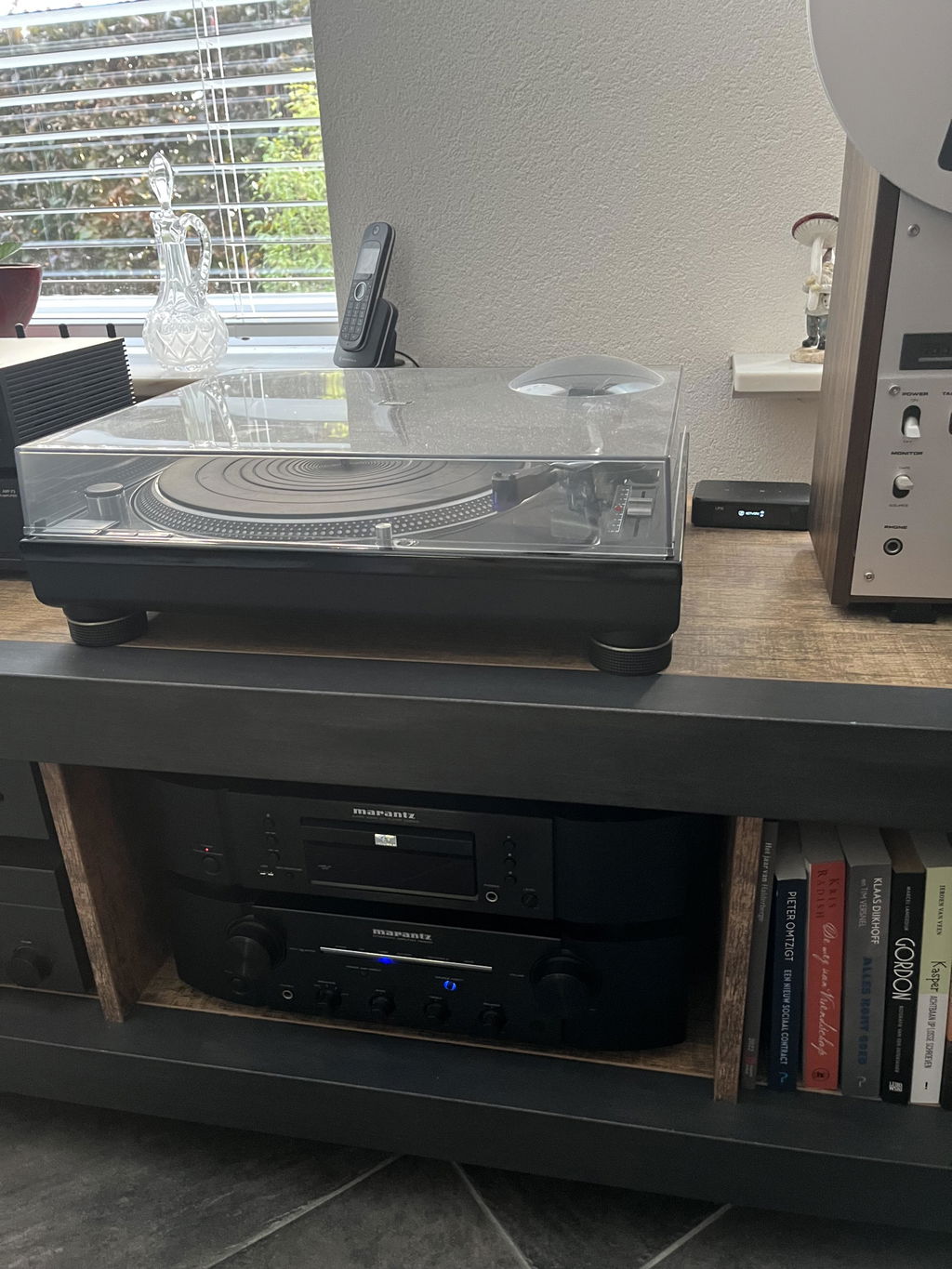
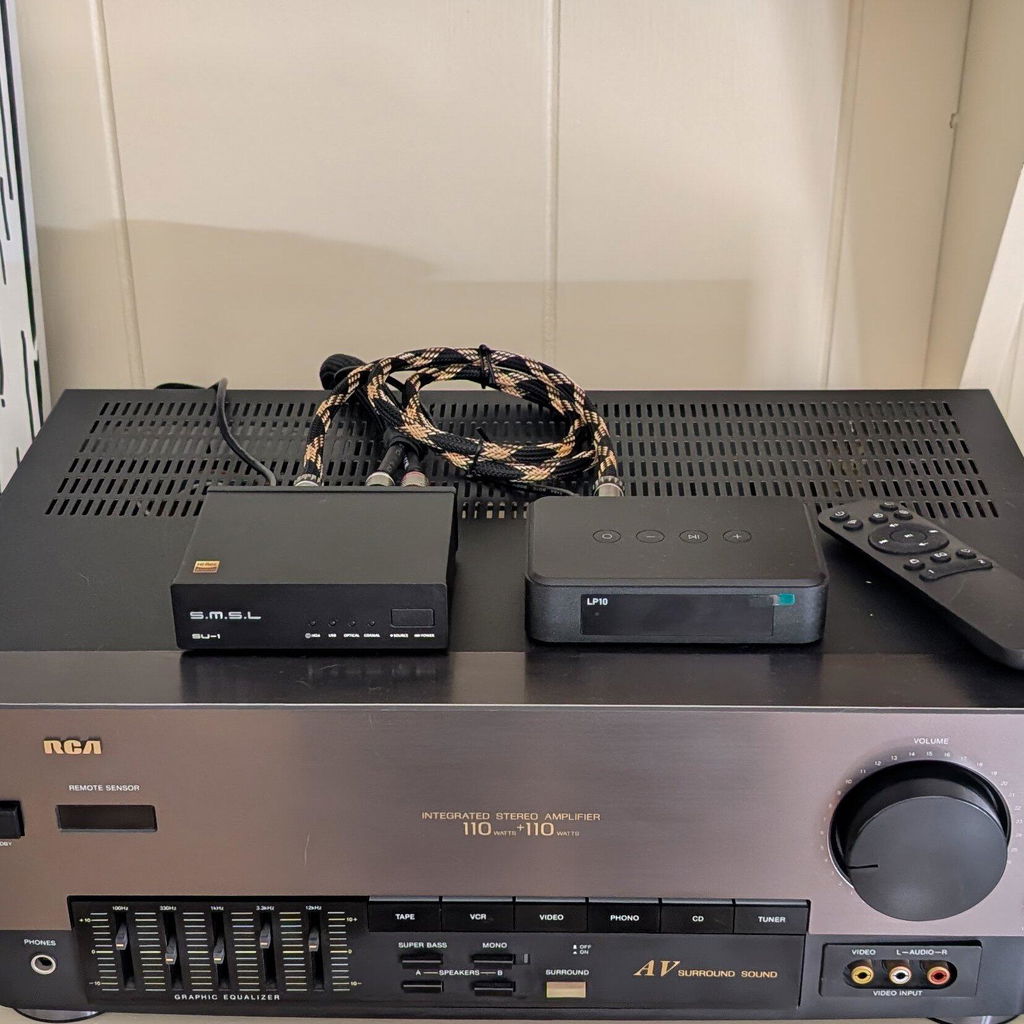
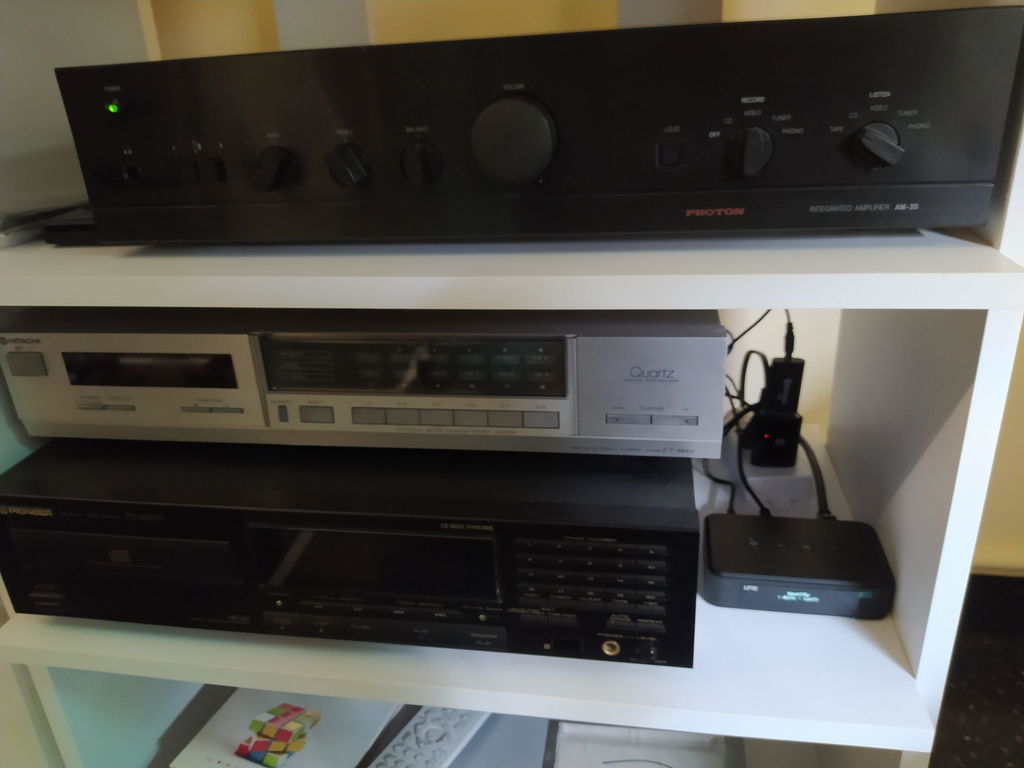
Users who already have existing audio systems, including amplifiers, can add a streamer to upgrade their audio system.
A streaming preamplifier allows users to add wireless streaming, app control, and multi-room audio to existing systems, while keeping current sound characters unchanged. Also, it can support high-resolution audio up to 192 kHz / 24-bit.
This makes it an ideal solution for users who want to modernize their Hi-Fi system without rebuilding it.
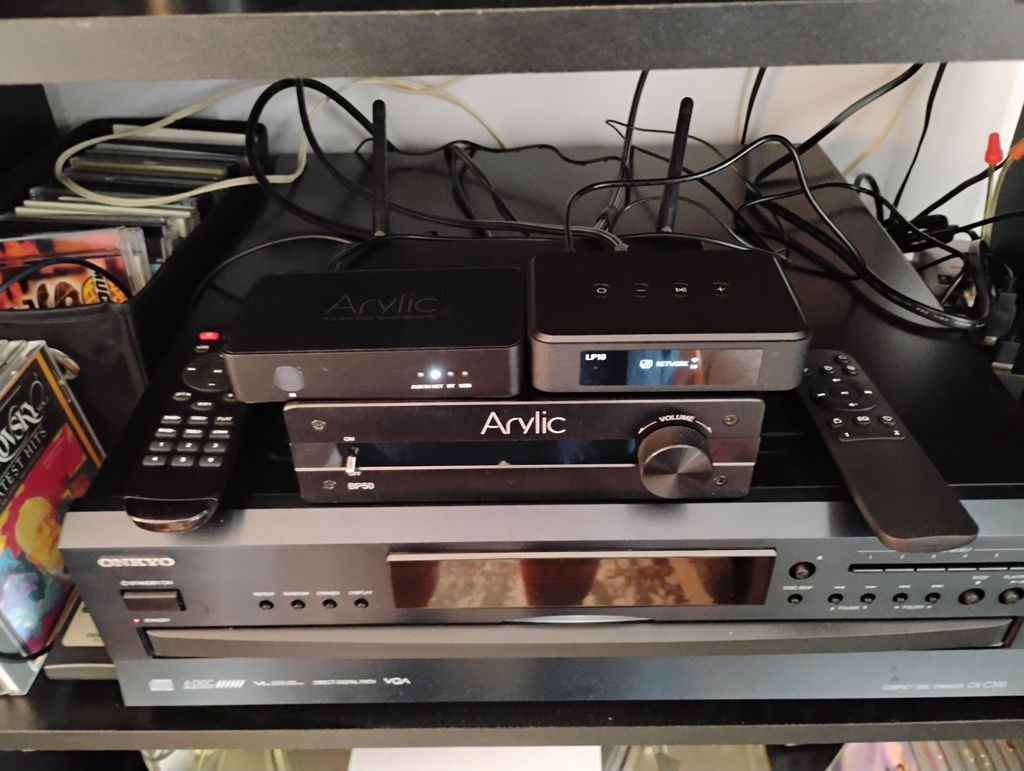
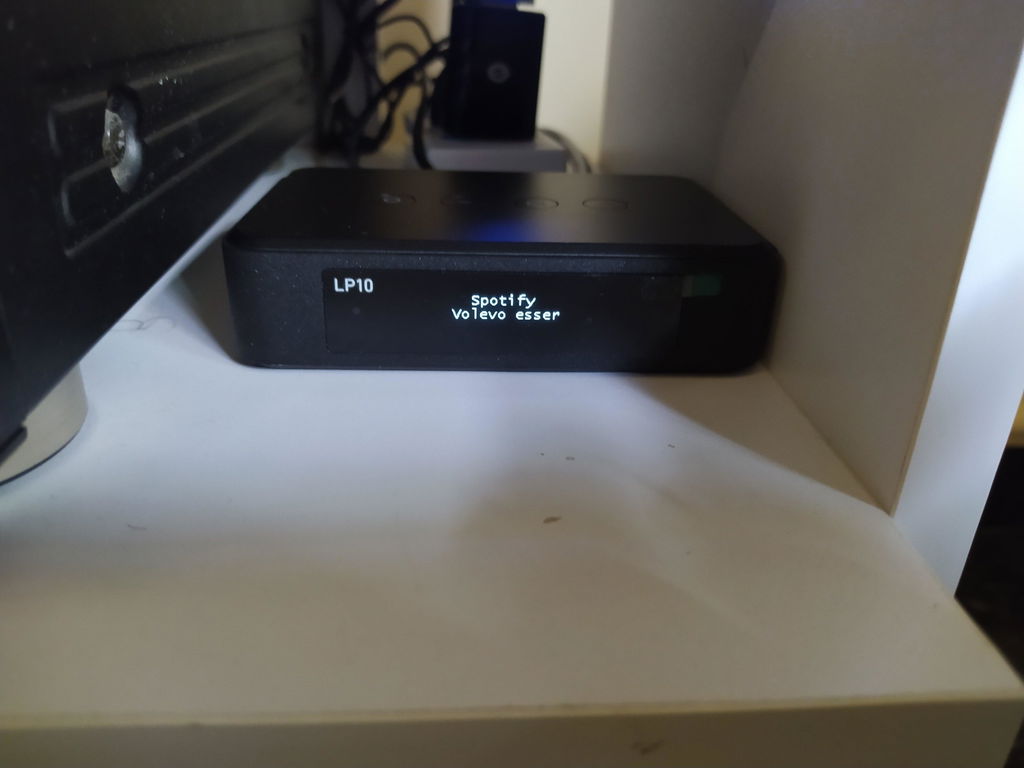
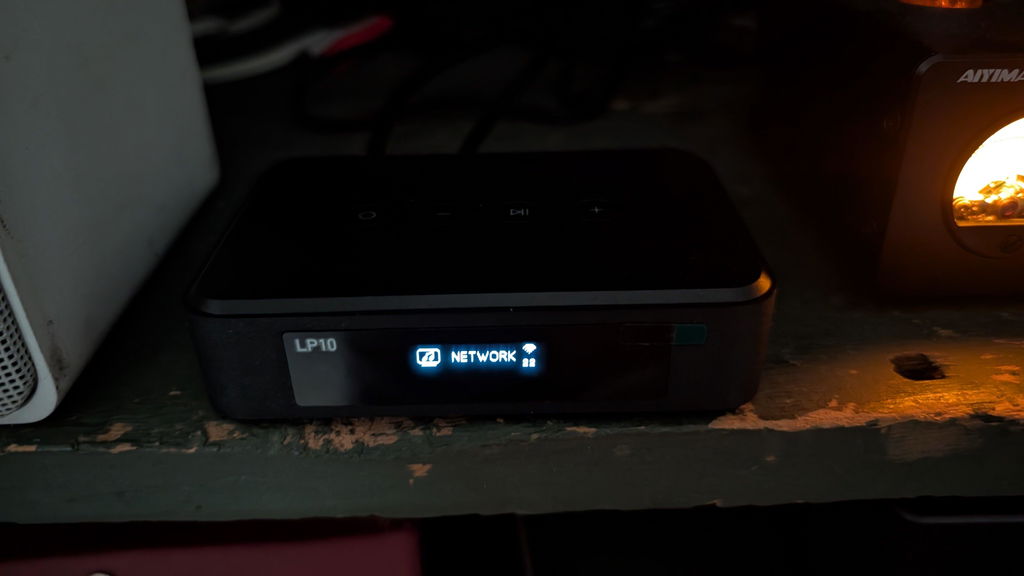
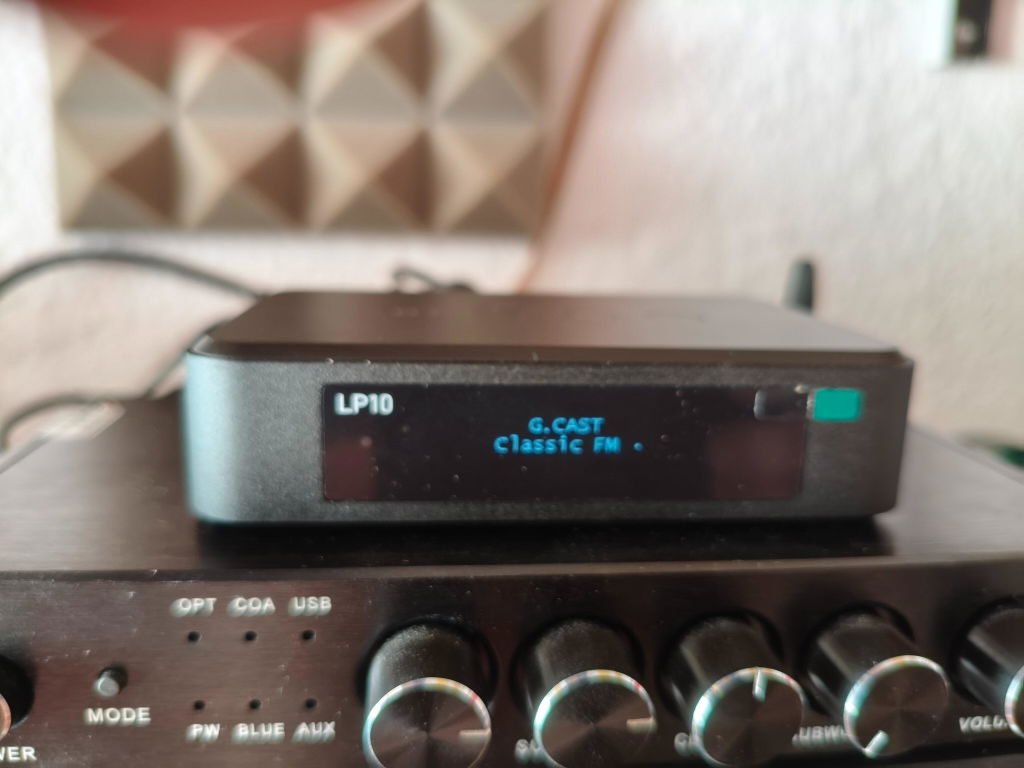
Arylic LP10 and LP20 are designed to revive and modernize the old audio systems with minimal setup.
Explore LP10: https://www.arylic.com/products/lp10-music-streamer
Explore LP20: https://www.arylic.com/products/lp20-music-streamer
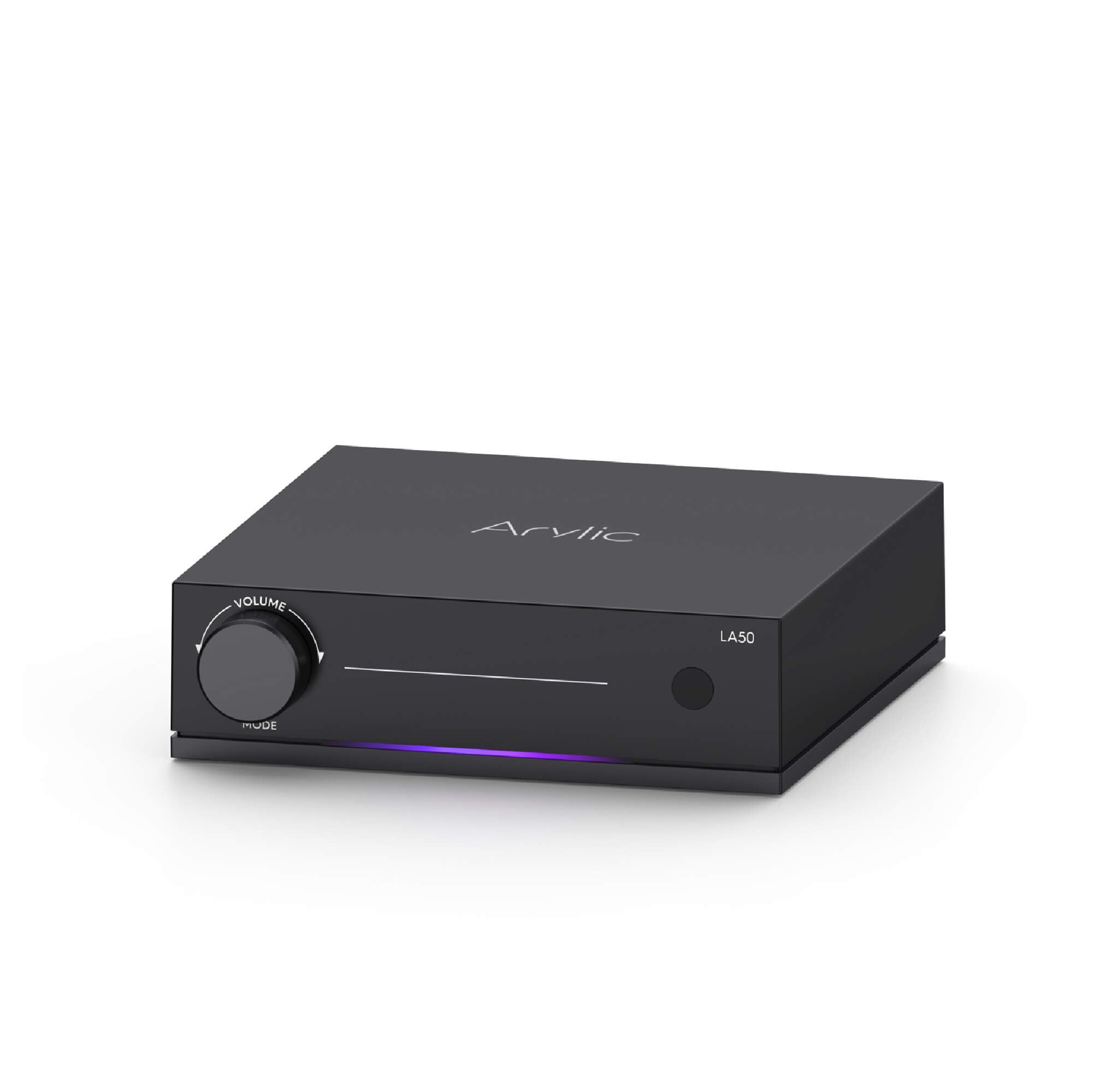
Build a Simple Streaming Hi-Fi System: Arylic LA50 Amplifier
For Hi-Fi beginners, adding an integrated amplifier is a simple way to build a Hi-Fi audio system.
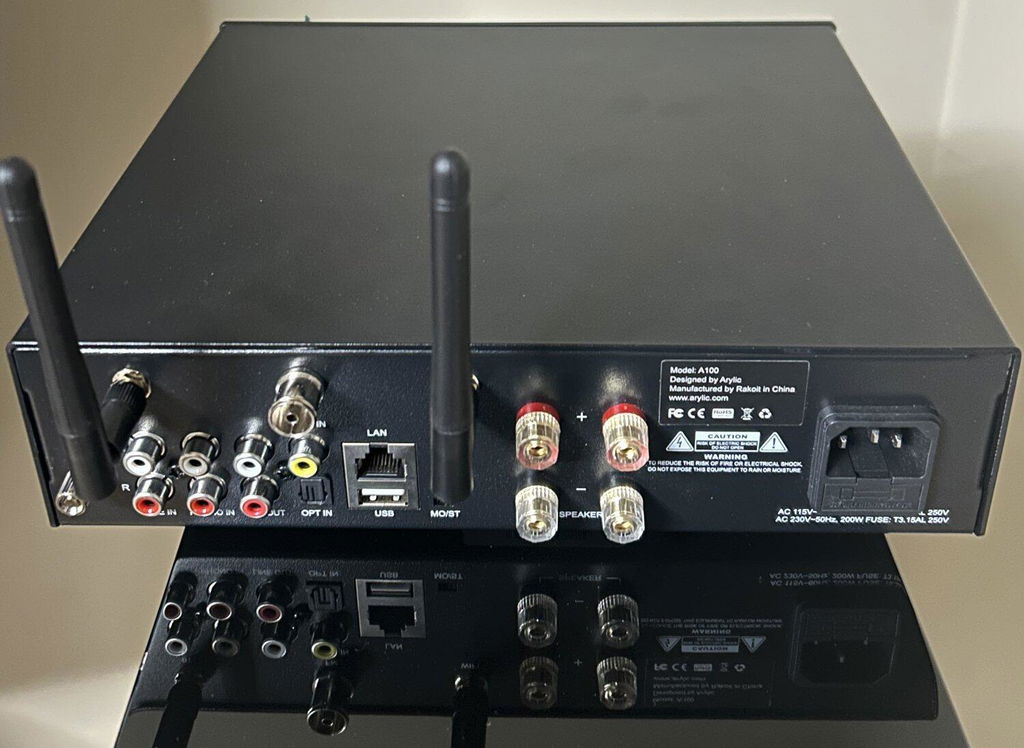
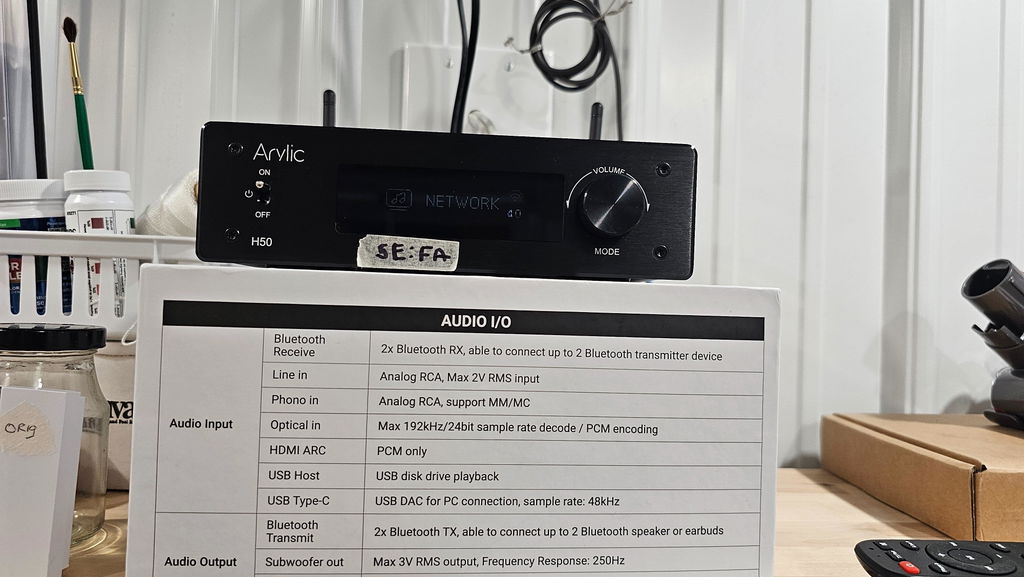
Arylic LA50 amplifier combines preamplifier and power amplifier functions in a single device. It supports devices such as TVs, PCs, CD players, and more. It offers an easy way to build a complete streaming Hi-Fi system with a single device.
Explore LA50: https://www.arylic.com/products/la50-streaming-amplifier
Expand into a Whole-Home Audio System
As listening habits continue to evolve, many users want music beyond a single room. They hope the audio system can become part of a smart home ecosystem.
Streaming preamplifiers and integrated streaming amplifiers that support multi-room technology can synchronize music across multiple rooms. Some systems can even integrate with smart lighting for immersive audio-visual experiences.
That means a Hi-Fi system is no longer just a standalone setup—it becomes part of a connected audio environment, where music follows your lifestyle rather than staying in one place.
Comparison of LP10, LP20 and LA50
|
|
LP10
|
LP20
|
LA50
|
|---|---|---|---|
|
System Type
|
Streaming Preamp
|
Streaming Preamp
|
Streaming Integrated Amplifier
|
|
Best For
|
Beginners
|
Growing Hi-Fi Systems
|
Starter systems
|
|
Connectivity
|
USB, Line in, Line out, Optical out
|
Line in, Optical in, USB, USB DAC (Type-C), Line out, Optical out, Coaxial out, Subwoofer out, 12V Trigger out
|
Line in, Optical in, TV in (ARC), USB host, USB DAC (Type-C),Subwoofer out, Speaker out
|
|
Streaming Capability
|
Wi-Fi (2.4G/5G)
AirPlay 2
Google Cast (Chromecast)
Spotify Connect
TIDAL Connect
Qobuz Connect
Bluetooth 5.0
UPnP / DLNA
|
Wi-Fi (2.4G/5G)
AirPlay 2
Google Cast (Chromecast)
Spotify Connect
TIDAL Connect
Qobuz Connect
Bluetooth 5.0
UPnP / DLNA
|
Wi-Fi (2.4G/5G)
AirPlay 2
Google Cast (Chromecast)
Spotify Connect
TIDAL Connect
Qobuz Connect
Bluetooth 5.0
UPnP / DLNA
|
|
Audio Format (up to)
|
192kHz / 24bits (Hi-res)
|
192kHz / 24bits (Hi-res)
|
48kHz / 16bits
|
|
Multi-room
|
AirPlay 2, Google Cast
|
AirPlay 2, Google Cast
|
AirPlay 2, Google Cast
|
|
Requires Existing Amplifier
|
Yes
|
Yes
|
No
|
Conclusion - Choosing the Right Hi-Fi Setup
For Hi-Fi beginners, there is no "best" answer for choosing a preamp or an amplifier.
Each solution serves a different purpose. Before making a decision, beginners should first determine whether they are upgrading an existing system, building a new one, or looking for a more flexible audio setup.
The key is not to choose the most complex system, but to choose the one that fits your listening needs today while leaving room for future expansion, including modern streaming and whole-home audio.



Leave a comment
All comments are moderated before being published.
This site is protected by hCaptcha and the hCaptcha Privacy Policy and Terms of Service apply.