


Many vintage speakers still sound fantastic today. Their cabinets are solid, their sound signatures are unique, and many of them were built with a level of craftsmanship rarely seen in modern budget speakers.
However, people now pursue wireless experiences, mobile app control, and streaming features such as AirPlay, Google Cast, Spotify Connect, and Tidal. Unfortunately, most older speaker systems were never designed for this streaming-first world.
Vintage speakers or modern convenience? For many listeners, that’s the real question. But replacing high-quality vintage speakers simply for modern streaming features often feels unnecessary.
Why Old Speakers Are Still Worth Keeping
Higher Quality than Modern Budget Speakers
Some old audio systems are even handmade using expensive materials. This type of audio system typically represents the craftsmanship spirit of the old era, pursuing the ultimate natural tone. In the same price range, many modern budget speakers simply cannot match this build quality or sonic refinement.
Established Investment in Audio System
Speakers are often the foundation of an audio system and usually represent a long-term investment for users. In many cases, replacing existing speakers is both unnecessary and wasteful.
For people who have already built a system around speakers they enjoy, upgrading functionality is often more practical than starting over completely.
Emotional Value
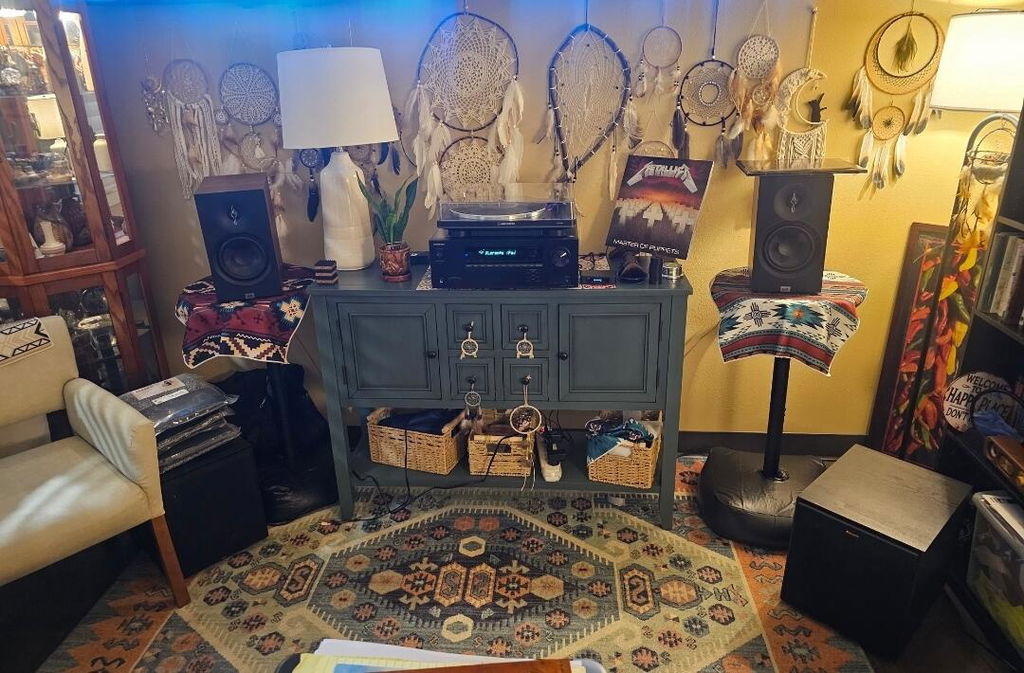
Users may keep old speakers not only because of the sound but also because vintage speakers carry too many memories and stories, and their emotional value is irreplaceable. For many people, these systems have accompanied different stages of life and, in some cases, have even been passed down across generations.
Emotional value is also an important reason why people are reluctant to replace their speakers. For many listeners, vintage speakers are not just audio equipment, but part of personal history.
The Dilemma of Old Speakers
Lack of Modern Streaming Support
Currently, music listeners are no longer focused only on audio hardware, but also on the streaming ecosystems behind it. AirPlay, Google Cast, Tidal Connect, Spotify Connect, Qobuz and other streaming services have become part of today’s streaming ecosystem.

(Source: IFPI Global Music Report 2026)
According to the IFPI Global Music Report 2026, streaming accounts for the majority of global recorded music revenue and continues to grow rapidly year over year.
In modern society, hardly anybody can avoid streaming ecosystems. Streaming platforms have radically changed the way people listen to music, allowing listeners to enjoy music anytime, anywhere, at a very low cost and with minimal effort. Clearly, modern streaming support is an important part of today’s listening experience.
Complex and Fragmented User Experience
Another common issue with old speaker systems is usability. Old audio systems involve many complex cables and devices, requiring users to frequently switch between them, resulting in an inconvenient listening experience. Users also need to invest significant time, effort, and money.
That creates a problem, people enjoy the high-quality sound from old speakers but are tired of the complicated user experience.
How Traditional Speakers Work
Not all speakers are designed to work in the same way within an audio system.
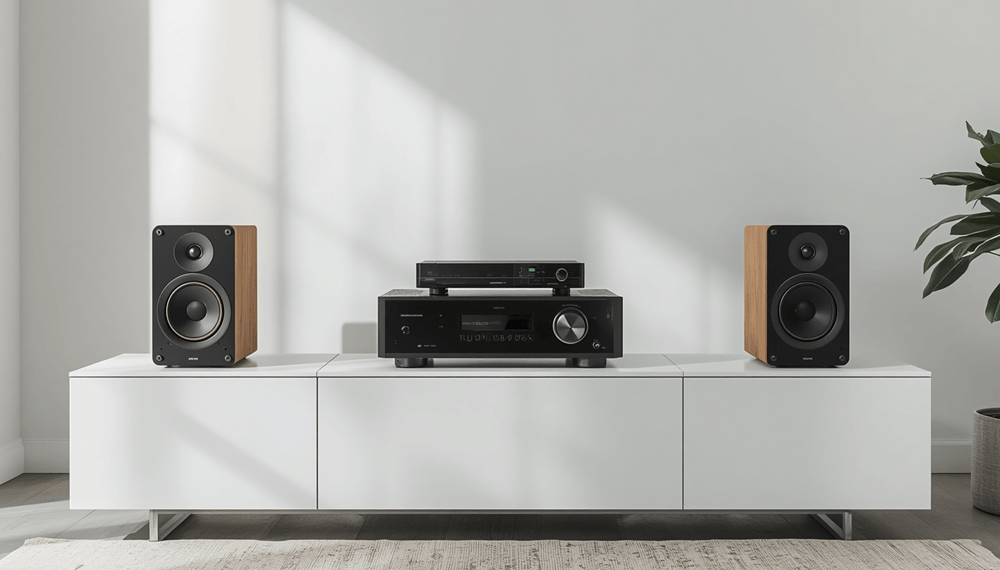
In classic Hi-Fi setups, passive speakers require an external amplifier to operate. Active speakers have built-in amplifiers, there is no need to connect a separate amplifier.
For passive speakers, upgrading typically involves pairing the speakers with an external amplifier. For active speakers, upgrading can connect directly to a streamer.

Solution to the Dilemma — Upgrade Speakers
Replacing Speakers: An Easy but Expensive Upgrade
For listeners who have no emotional attachment to existing systems, replacing the speakers seems like the simplest upgrade path. If users replace their old speakers because of modern streaming features, they will obviously choose new speakers with streaming capabilities.
Is replacing the speakers a permanent solution? Besides cost, the sound quality of new speakers may not match older speakers at the same price point, which greatly reduces user experience. If users only want streaming functionality, switching speakers clearly doesn't work for most people.
Bluetooth Adapter: A Simple but Limited Upgrade
For users who want to retain their existing speakers, adding a Bluetooth adapter is another option for upgrading the audio system. Generally, Bluetooth adapter is inexpensive and easy to use. Users can enjoy streaming by connecting the Bluetooth adapter to speakers.
However, the Bluetooth adapters still have problems with transmission range and audio compression, and the audio system is still not fully integrated in the streaming ecosystem.
Adding a Streaming Amplifier: An All-in-One Upgrade
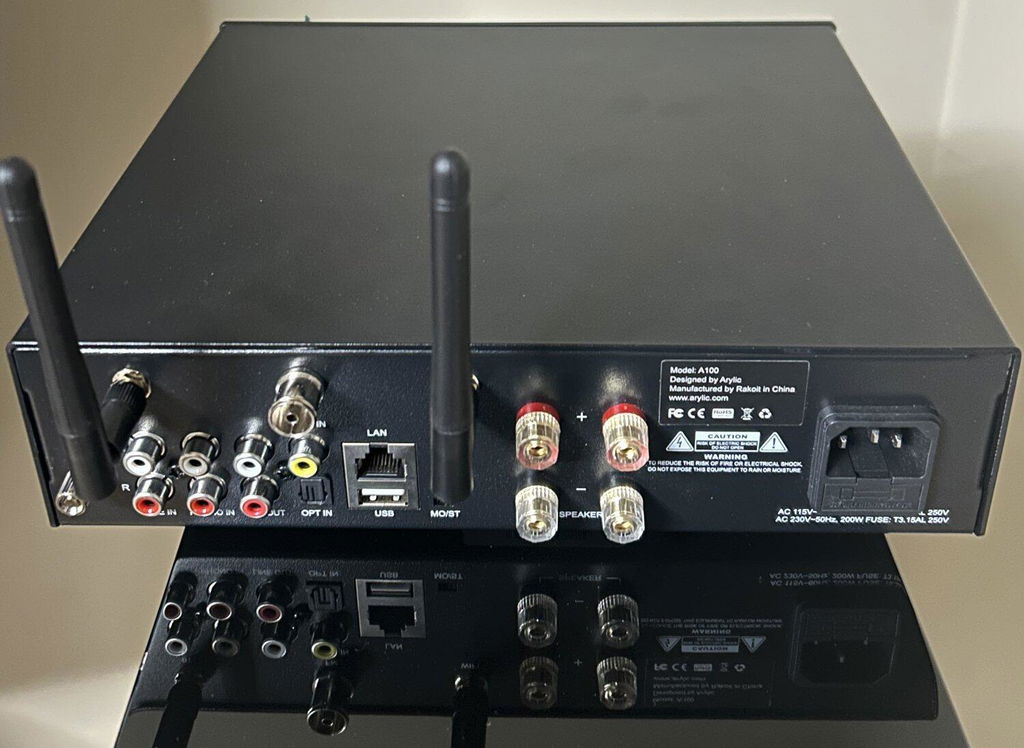
For users who do not already have an amplifier, an all-in-one streaming amplifier offers a simple one-step upgrade for an existing speaker system.
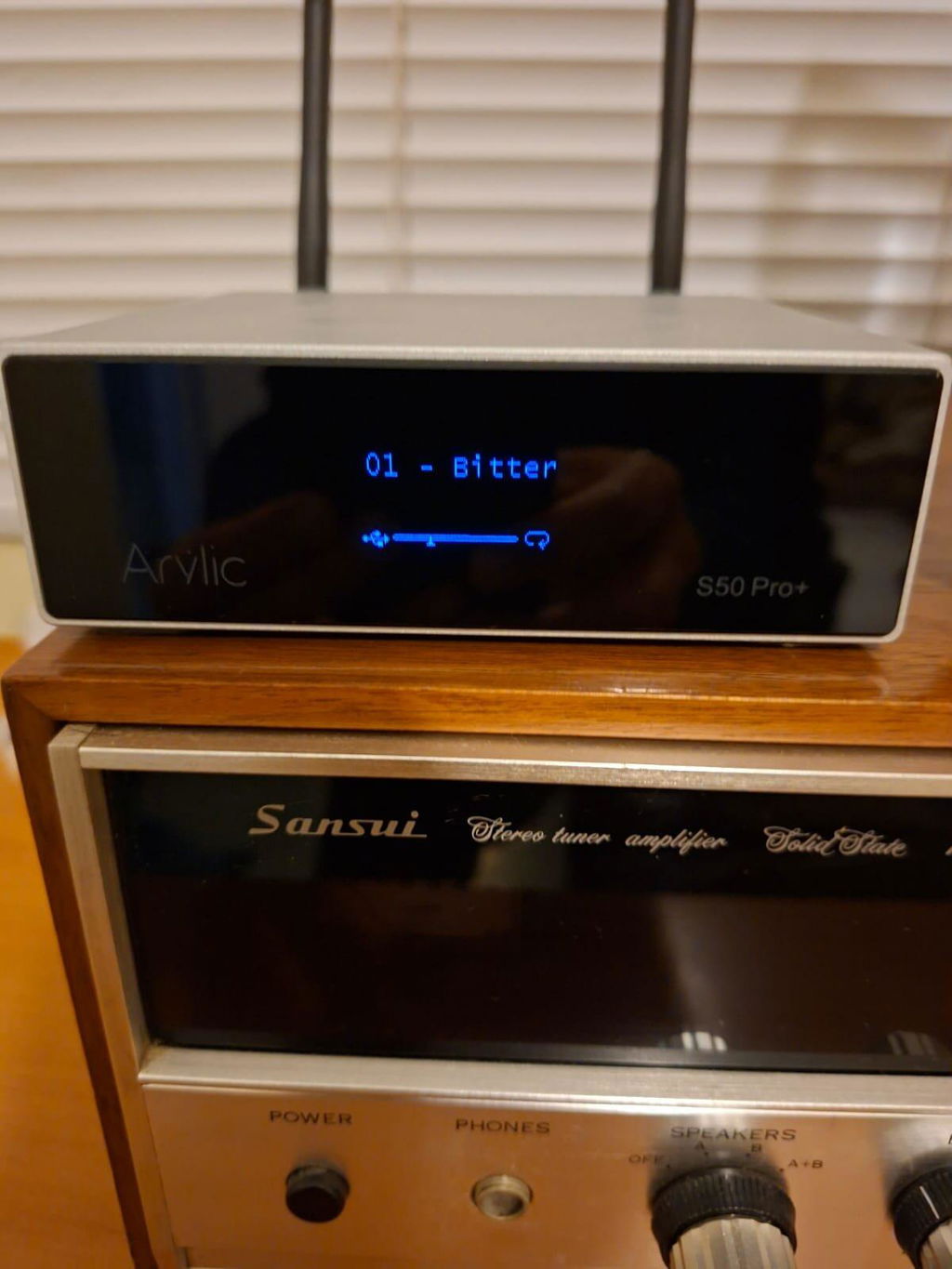
An all-in-one streaming amplifier enables vintage speakers to support wireless streaming while also providing the power needed to drive passive speakers.
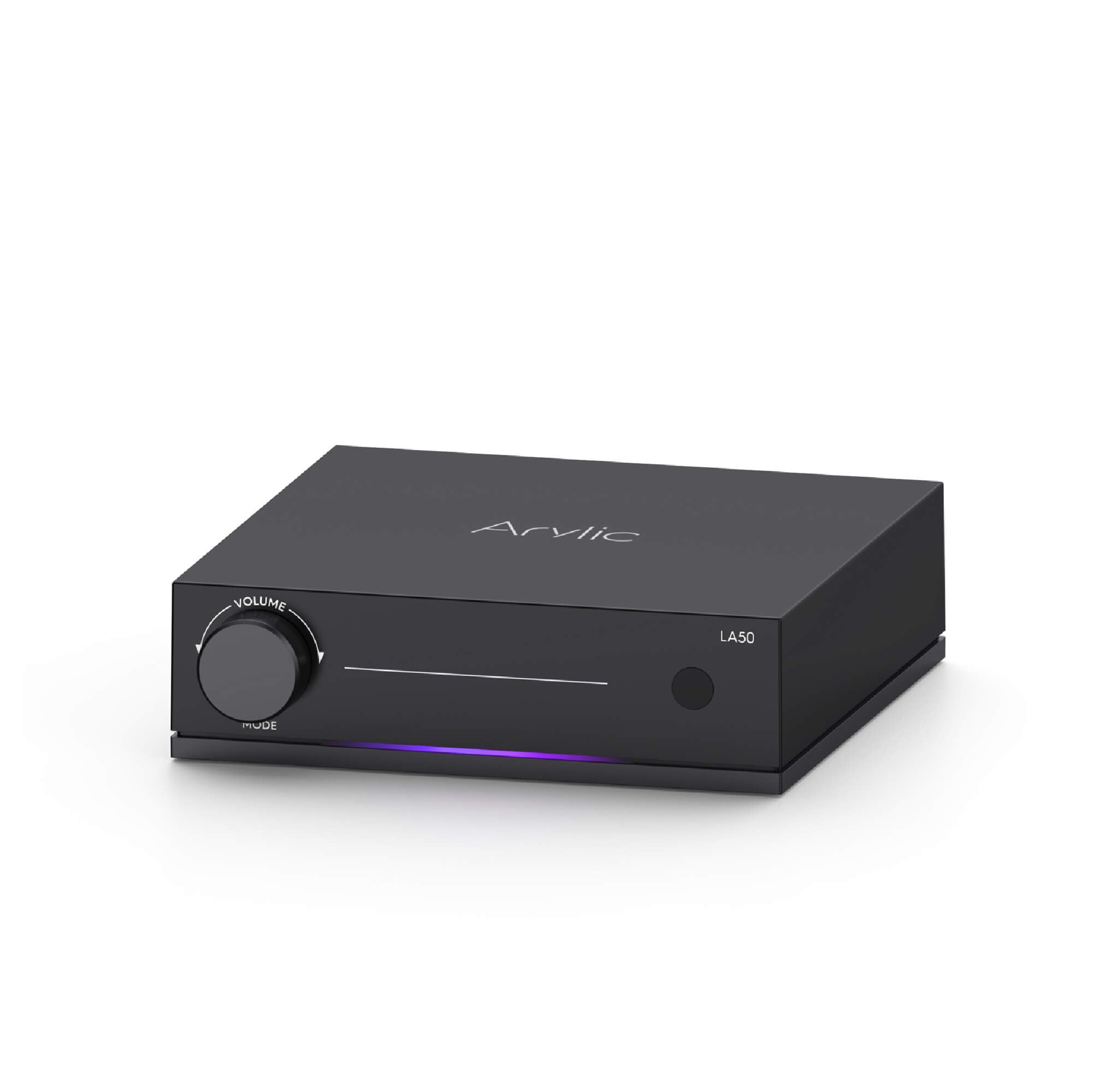
With various models available on the market, such as Arylic's LA50, these amplifiers are an excellent choice for users looking to modernize their passive speakers and quickly build a Hi-Fi system.
Adding a Streamer: A Simple but Powerful Upgrade
Users are no longer limited to physical media or single devices once speakers become part of a modern streaming ecosystem.
A streamer also shifts audio systems away from manual hardware switching toward wireless and app-based control. Users can directly control their music from their smart device.
Lastly, a streamer activates smart features for speakers. Speakers can be a part of smart homes. Users can build a whole-home smart audio system with unified control.
Solution Comparison
|
|
Replacing Speakers
|
Bluetooth Adapter
|
Amplifier
|
Streamer
|
|---|---|---|---|---|
|
Cost
|
High
|
Low
|
Medium
|
Medium
|
|
User Experience
|
Easy
|
Easy
|
Easy
|
Easy
|
|
Streaming Upgrade
|
Native
|
Limited
|
Full ecosystem access
|
Full ecosystem access
|
|
Audio Quality
|
Not affected
|
Affected
|
Not affected
|
Not affected
|
|
Limitations
|
Expensive
|
Limited ecosystem integration
|
Requires existing system
|
Requires existing system
|
Key Features of A Good Streamer
Streaming Ecosystem Coverage
A good streamer should natively support modern streaming ecosystems instead of relying on Bluetooth or screen mirroring.
Technologies such as AirPlay, Google Cast, Spotify Connect, Tidal Connect, and DLNA have become an essential part of today’s listening experience.
One key requirement for a streamer is to connect traditional audio systems to modern streaming.
Seamless User Experience
One important feature is simplicity. A streamer should simplify operation and setup, reducing unnecessary devices and cables, and avoid making the existing audio system more complicated. Users can seamlessly switch between various platforms and devices via smart devices.
In addition, streamer should also play its role by integrating speakers into the smart home ecosystem to enrich the user experience.
Ability to Revive Old Speaker System
The real value of streamers is not in replacing old speakers, but in extending their availability in the streaming era. Normally, listeners pursue streaming features but are reluctant to lose the sound quality. Streamer should maintain or even upgrade the sound quality. On the basis of the original sound quality, streamers integrate streaming features and upgrade old audio systems.
Emotional value is equally important to many listeners. Streaming media players can completely retain the original audio equipment, only on this basis to upgrade. As a result, streaming media players can be revived and continue to add value to old sound systems.
Expanded System Options
Besides integrating streaming systems, streamers can connect different audio components within a system.
A streamer may integrate traditional amplifiers and passive speakers, also TV, PC and other devices, helping users to build a more complete smart audio system.
In more advanced systems, streamers can also support expanded systems such as subwoofer output. Many Audiophiles pursue high-quality experience. Streamers can help to build a complete 2.1 audio system and deliver a more immersive listening experience without replacing existing equipment.
How to Upgrade Old Speakers with the Right Streamer
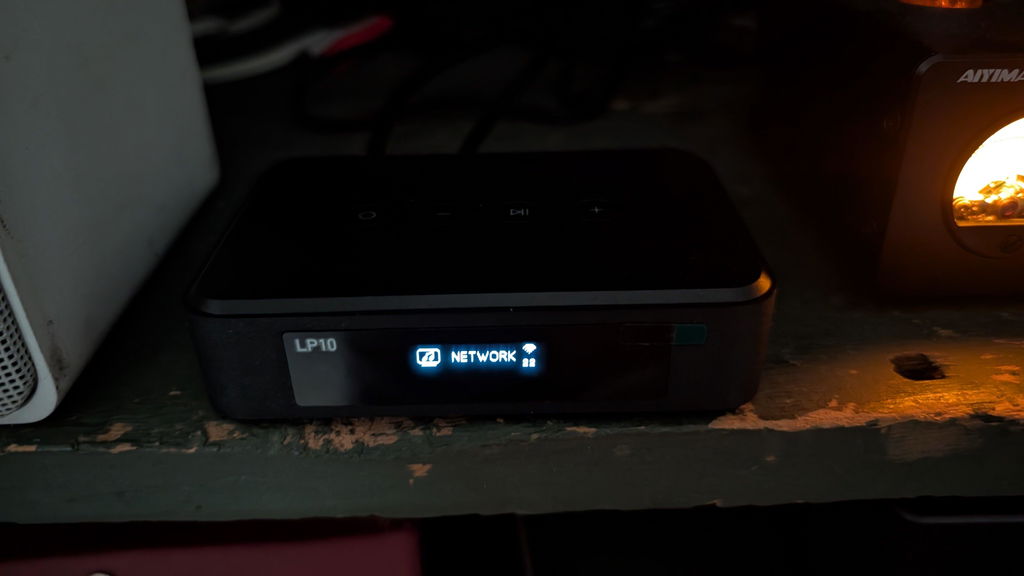
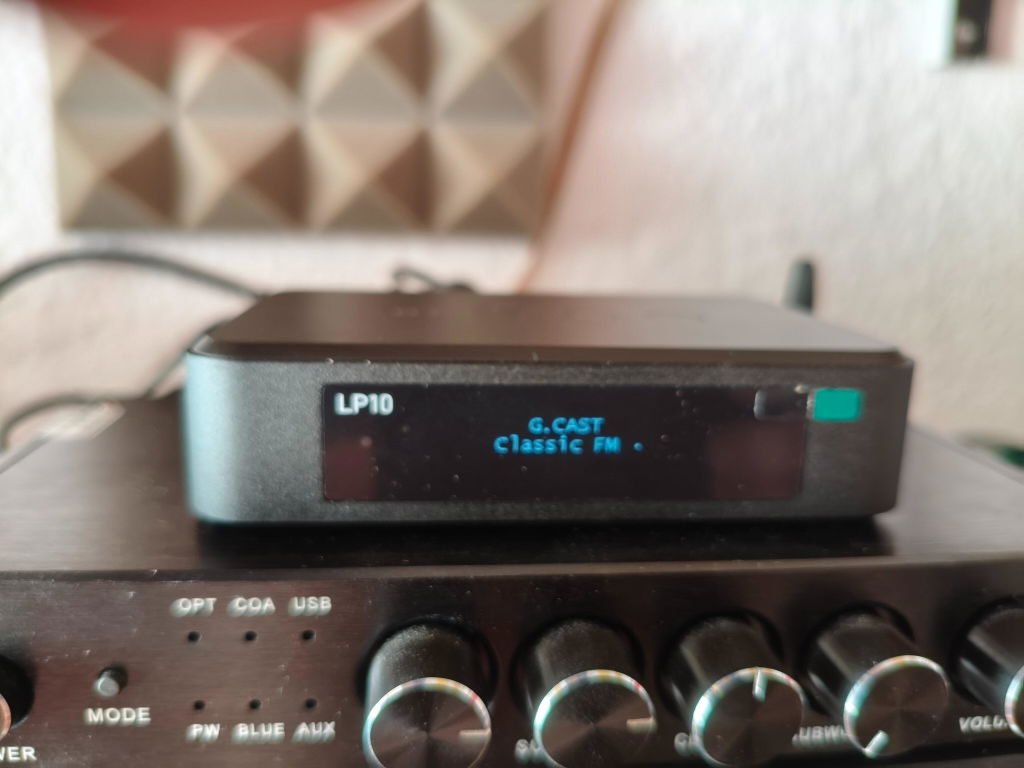
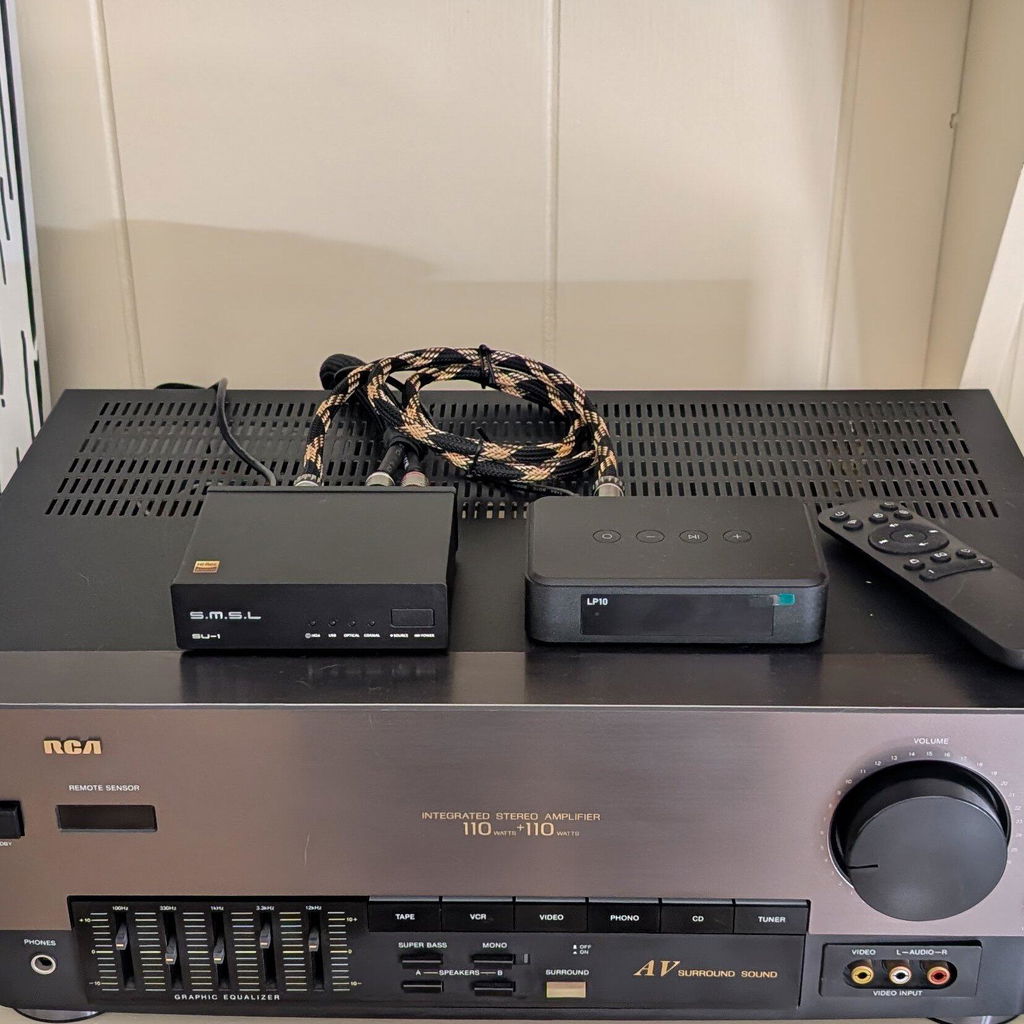
LP10 — Simple Streaming Upgrade
With support for modern streaming platforms and Hi-Fi audio, LP10 allows old speakers to upgrade naturally into modern life without a complicated setup. This is a basic and simple upgrade provided by LP10.
Click here to see more: https://www.arylic.com/products/lp10-music-streamer
LP20 — Balanced Streaming Upgrade
LP20 is designed for users who value a clean and focused listening experience while still wanting modern streaming flexibility. Building on a simple streaming solution, the LP20 offers more connectivity options and a variety of listening experiences.
LP20 balances sound quality and usability. With LP20, users can easily revive a powerful 2.1 audio system.
Click here to see more: https://www.arylic.com/products/lp20-music-streamer
LP100 — Advanced Streaming System Upgrade
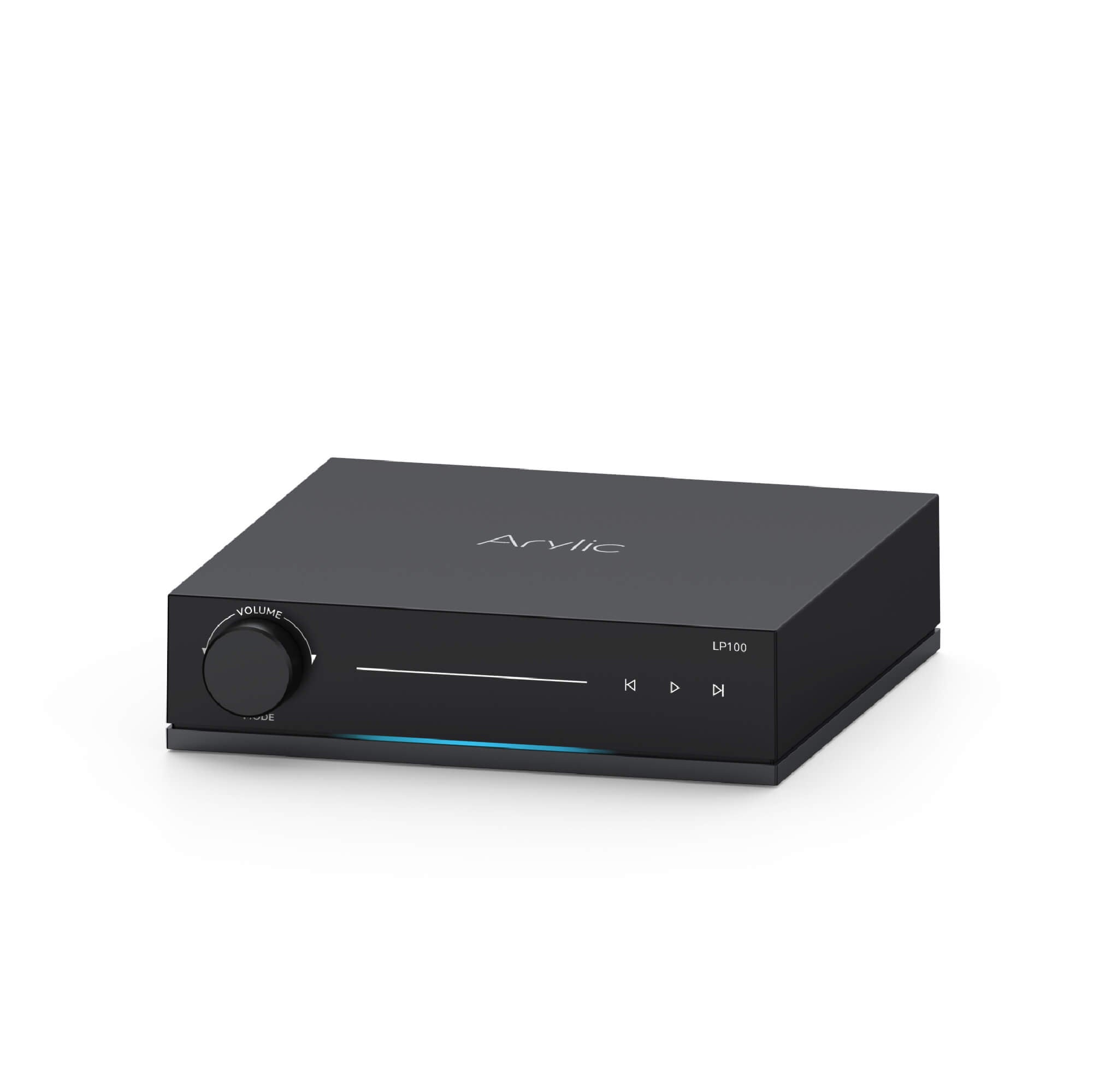
LP100 is designed for users who focus more on system integration and connectivity for complex audio environments.
LP100 is not a simple streaming upgrade, but an integrated experience that provides a diverse experience with more comprehensive features to upgrade the user experience.
Click here to see more: https://www.arylic.com/products/lp100-music-streamer

Users can choose different models based on how complex their audio system is and how refined their listening needs are.
LP10 VS LP20 VS LP100
|
|
LP10
|
LP20
|
LP100
|
|---|---|---|---|
|
Best for
|
Entry-level users
|
Mainstream & Enthusiast users
|
Advanced & Audiophile users
|
|
Streaming Capability
|
Wi-Fi (2.4G/5G)
AirPlay 2
Google Cast (Chromecast)
Spotify Connect
TIDAL Connect
Qobuz Connect
Bluetooth 5.0
UPnP / DLNA
|
Wi-Fi (2.4G/5G)
AirPlay 2
Google Cast (Chromecast)
Spotify Connect
TIDAL Connect
Qobuz Connect
Bluetooth 5.0
UPnP / DLNA
|
Wi-Fi (2.4G/5G)
AirPlay 2
Google Cast (Chromecast)
Spotify Connect
TIDAL Connect
Qobuz Connect
Roon Ready
Bluetooth 5.4
Auracast
UPnP / DLNA
|
|
Audio Input
|
USB, Line in
|
Line in, Optical in, USB, USB DAC (Type-C)
|
Line in, Optical in, USB, USB DAC (USB-B), Phono in, Coaxial in, TV eARC
|
|
Audio Output
|
Line out, Optical out
|
Line out, Optical out, Coaxial out, Subwoofer out, 12V Trigger out
|
Line out, Optical out, Subwoofer out, 12V Trigger out
|
|
Control
|
IR Remote, Go Control APP, Voice (Siri, Google Cast), Mode Button, Vol Button, Play/Pause Button
|
IR Remote, Go Control APP, Voice (Siri, Google Cast), Knob Button
|
BLE Remote, Go Control APP, Voice (Siri, Google Cast), Knob Button, Touch Sensor Button
|
|
Audio Format (up to)
|
192kHz/24bits (Hi-res)
|
192kHz/24bits (Hi-res)
|
192kHz/24bits (Hi-res)
|
|
Multi-room
|
AirPlay(2), Google Cast
|
AirPlay(2), Google Cast
|
Roon Ready, AirPlay(2), Google Cast
|
|
System Complexity Level
|
Easy setup
|
Balanced setup
|
Advanced multi-device system
|
Conclusion — Keep & Revive Your Old Speaker Systems
For many people, replacing an entire speaker system is unnecessary and expensive, especially when those speakers still offer excellent sound quality and emotional value.
Adding a Bluetooth adapter can solve some of these problems. To some extent, it adds some smart streaming features to the audio system. However, they often lack the seamless ecosystem integration and flexibility modern listeners expect.
A good streaming player can bridge the past and the present, bringing new possibilities to traditional audio systems in today’s streaming era.
Bringing your speakers into the modern world, without losing the memories they carry.

Leave a comment
All comments are moderated before being published.
This site is protected by hCaptcha and the hCaptcha Privacy Policy and Terms of Service apply.