


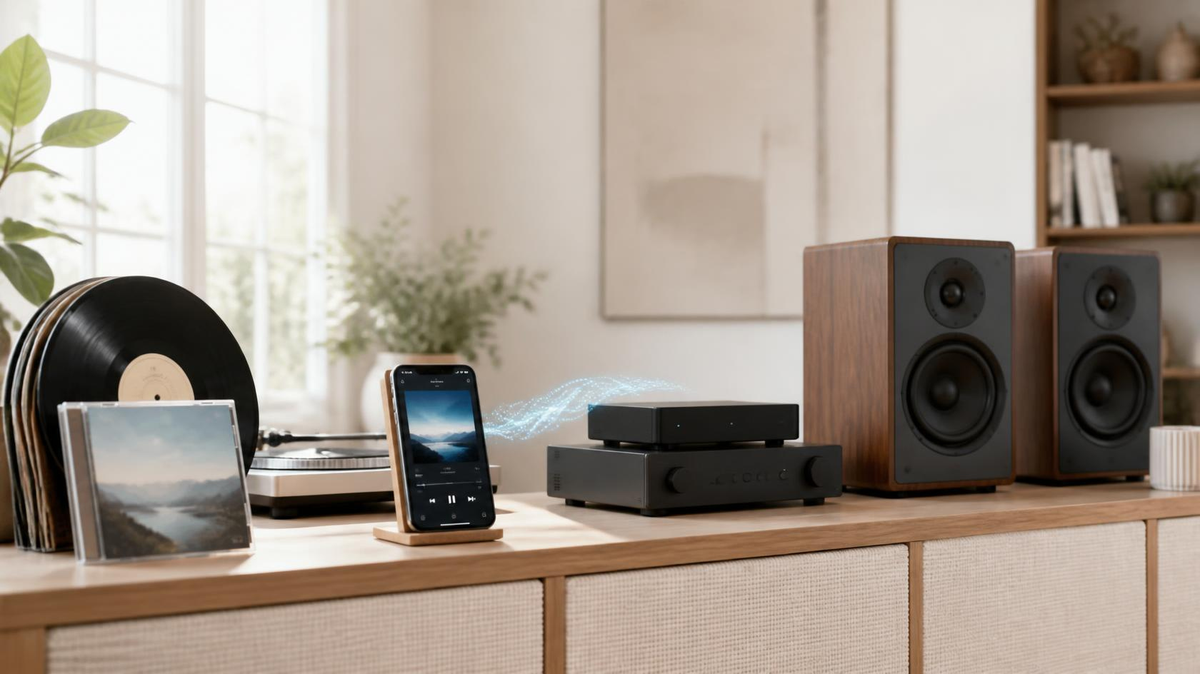
Imagine you have a big party and people are staying at different places. The music should reach every corner of the party. However, if all the speakers are concentrated in one room, the party experience will be poor. So, is there a way to solve this problem?
Multi-room audio is one of the solutions. Users can choose to play the same music simultaneously or, depending on the system, different music in different rooms. The highlight of a multi-room audio system is that users can manage audio devices in multiple rooms through a single, simple app.
Are modern multi-room audio systems necessarily better? Should traditional multi-room audio systems be phased out? The answer may be no. They are simply different ways of addressing the issue of multi-room playback. Understanding the differences between the two and choosing based on your equipment and usage needs is better than simply opting for the modern approach.
Traditional Multi Room Audio: Built Around One Brand
Most traditional multi-room systems live inside one brand's ecosystem — one app, one lineup of speakers, one company running the whole show. Adding a room, pairing a speaker, playing music — it all happens in that same app.
This keeps things simple: easier for the brand to build and support, easier for users to set up without worrying about compatibility.

Modern Multi Room Audio: Connecting Different Platforms
Compared to traditional systems, modern multi-room audio incorporates a wider range of platforms and ecosystems. Not only can multi-room audio be operated via a dedicated app, but it can also work with other ecosystems such as AirPlay and Google Cast.
Users can not only manage their different audio devices, but can also control them to play different or the same music.
The purpose of multi-room audio is not to replace traditional multi-room audio, but to give users more ways to connect and enjoy music throughout their home.
Traditional Multi Room Audio vs. Modern Multi Room Audio
It is unnecessary to debate which is better between traditional multi-room audio and modern multi-room audio. And it is also incorrect to assume that modern multi-room audio is necessarily superior to traditional multi-room audio. The purpose of both systems is the same: to connect various audio devices in different rooms so that users can better enjoy their music. Therefore, users simply need to choose the approach that best suits their needs.
|
|
Traditional Multi Room Audio
|
Modern Multi Room Audio
|
|---|---|---|
|
Control
|
Dedicated Apps
|
AirPlay, Google Cast, or supported apps
|
|
Ecosystem
|
Mainly one brand
|
Works with multiple ecosystems
|
|
Common Technology
|
Uses the brand's own multi-room system
|
Uses platforms such as AirPlay or Google Cast
|
|
Device Compatibility
|
Usually works best with the same brand
|
Can work with more compatible devices
|
|
Direction of Development
|
Dedicated ecosystem
|
Connecting audio devices through different platforms
|
|
User Experience
|
Need to learn and use a specific App
|
Can directly integrate with smart home and other music platforms
|
|
Features
|
Building multiple rooms in a specific ecosystem
|
Integrates multi-room playback into existing devices and ecosystems
|
|
Goal
|
Play same or different music in different rooms at the same time
|
|
Advantages and Limitations of Different Multi Room Audio Systems
Advantages and Limitations of Traditional Multi Room
The advantages of a single-brand ecosystem are very clear. Users can exercise full control over products within the ecosystem. Manufacturers have absolute control over the ecosystem and can make adjustments and updates at any time. This is why some brands enjoy high user loyalty: the brand's ecosystem aligns closely with users' personal needs, and users see no need to switch to other brands.
However, the limitations are also very clear. In traditional multi-room ecosystems, compatibility and flexibility are poor. If an audio device is not part of the ecosystem, it cannot be used.
Advantages and Limitations of Modern Multi Room
Unlike traditional multi-room audio systems, modern multi-room audio systems support integration with a wider range of devices from different brands. Individual ecosystems are no longer isolated but are increasingly converging.
Many users do not own audio products from just one brand but tend to use services like AirPlay or Google Cast; therefore, modern multi-room audio systems better meet their needs.
However, a drawback of modern multi-room audio systems is that they still cannot function entirely without apps. Furthermore, some platform features or protocols are the result of negotiations among various platforms, making it impossible to make adjustments or fixes immediately.
How to Select the Right Multi Room Audio Approach
Different people have different needs for their home. The right choice depends on the device that users already have, the ecosystem they use and how they want to control their music.
One-Brand Setup
If you are passionate about one specific brand and all your audio devices come from this brand, choosing a traditional multi-room system may be suitable for you. This means your philosophy and needs align with what the brand offers, making the system much easier to use.
Apple or Google Cast Ecosystem
If you prefer using Apple or Google devices and want to set up a multi-room system using AirPlay or Google Cast, you don't need to worry too much about anything else, choosing multi-room audio devices that support these platforms may be the most convenient option.
Cross-Brand Setup
If your audio devices are from different brands and you're more concerned about whether they can seamlessly enable multi-room functionality, you should choose a multi-room audio system with the strongest possible compatibility.

Arylic offers different solutions tailored to users' varying needs for multi-room audio systems. These range from traditional multi-room audio systems centered around the company's proprietary app to modern multi-room audio systems capable of connecting to a wider range of platforms.
Multi Room Audio with Dedicated App Control
Earlier Arylic products used the Arylic app as the main control center for multi-room audio. Through the app, users can connect Arylic audio devices to the same network and manage them. They can also control music and volume through the app.
Arylic products not only support multi-room functionality but also help users set up Hi-Fi audio systems.
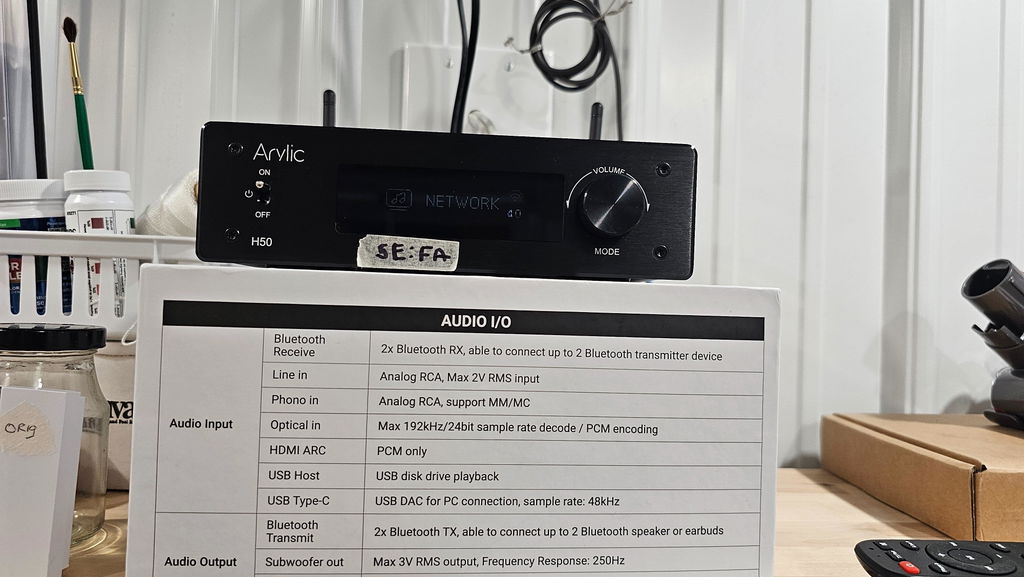
Arylic's A, S, and H series products are built around Arylic's proprietary app to deliver multi-room functionality, all while utilizing traditional multi-room technology. They are designed to meet the needs of users who prefer a single ecosystem.
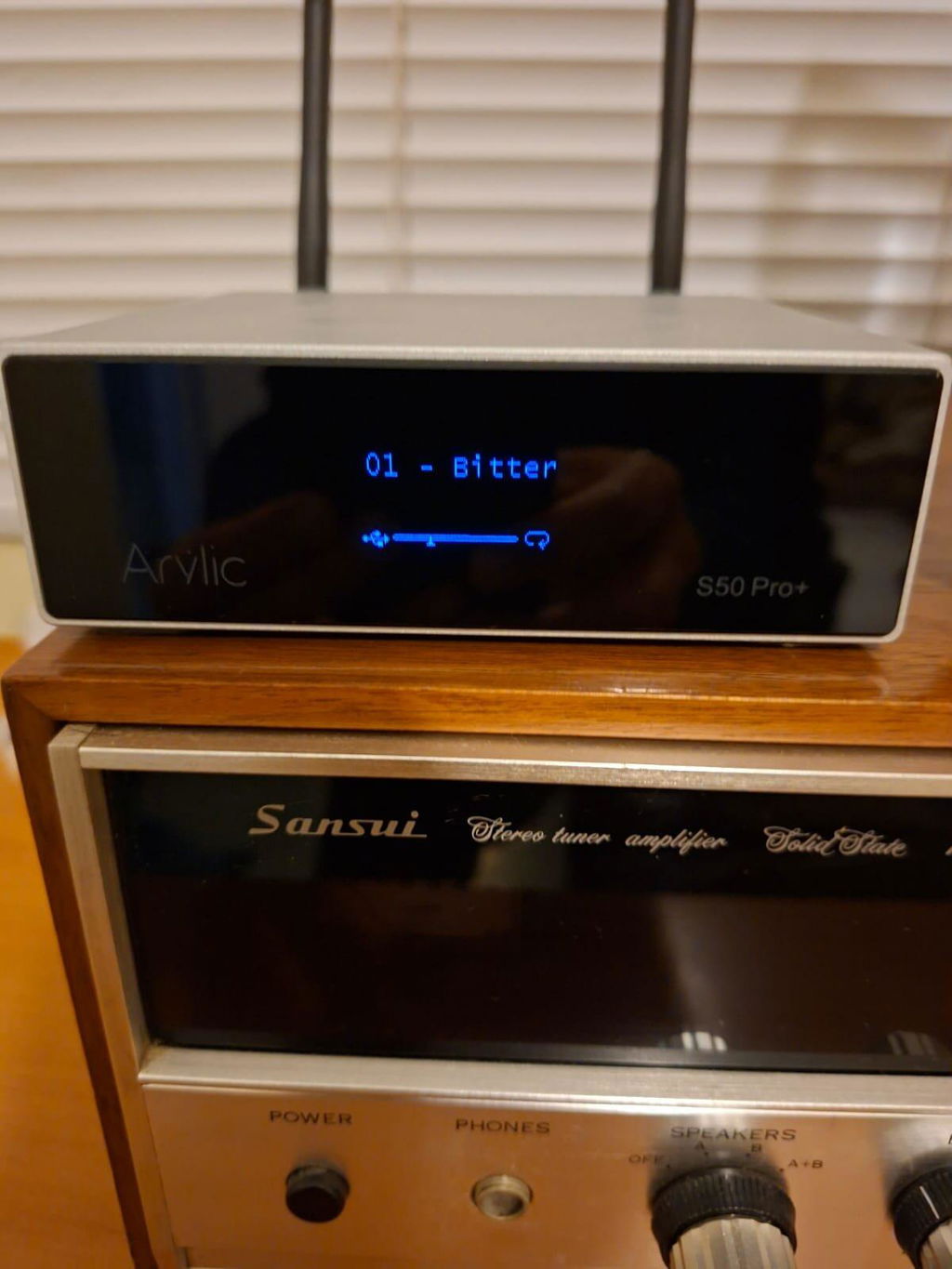
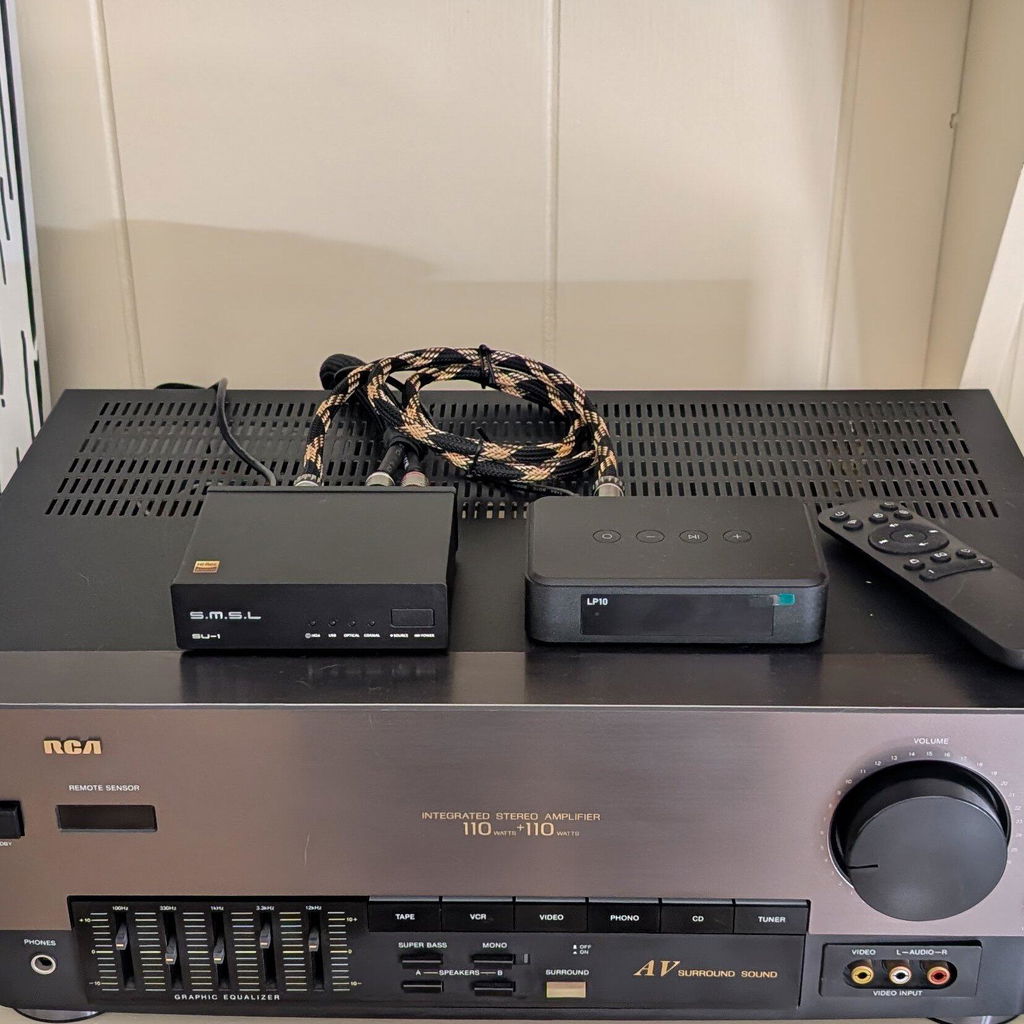
For example, the S10+ music streaming player can help you set up a basic multi-room audio system:
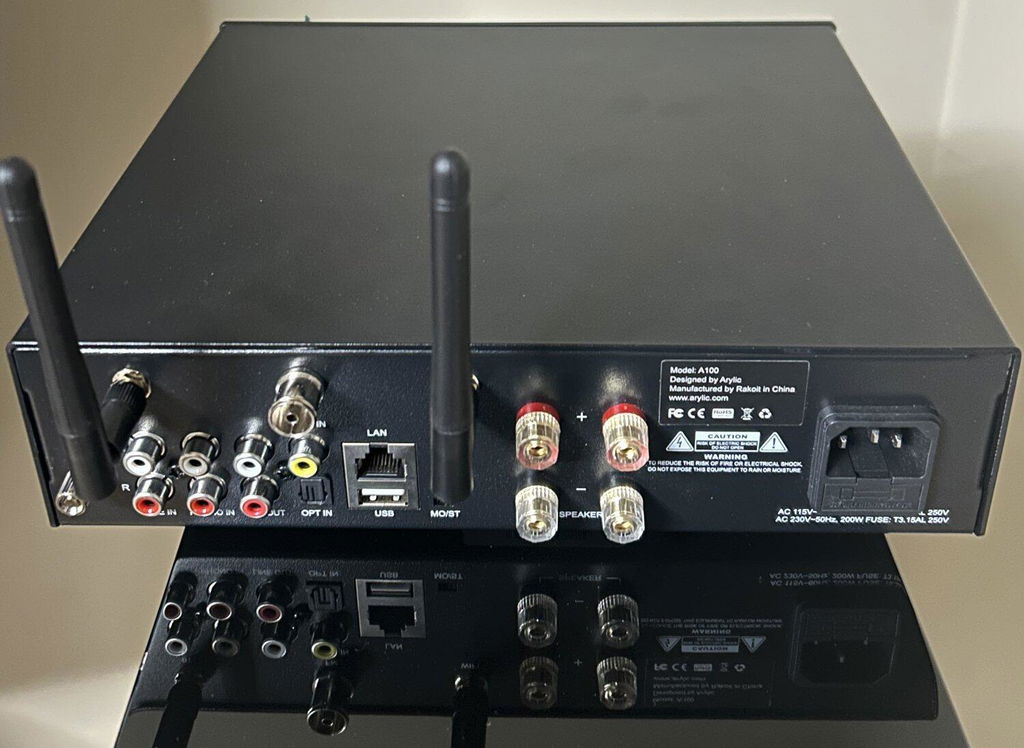
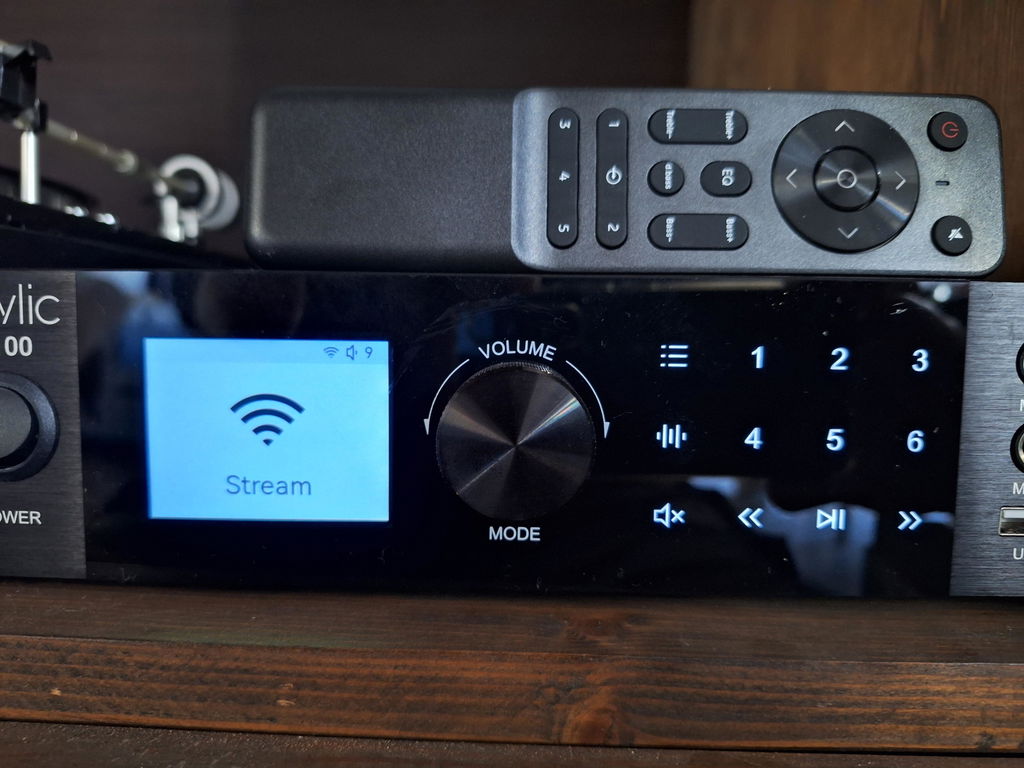
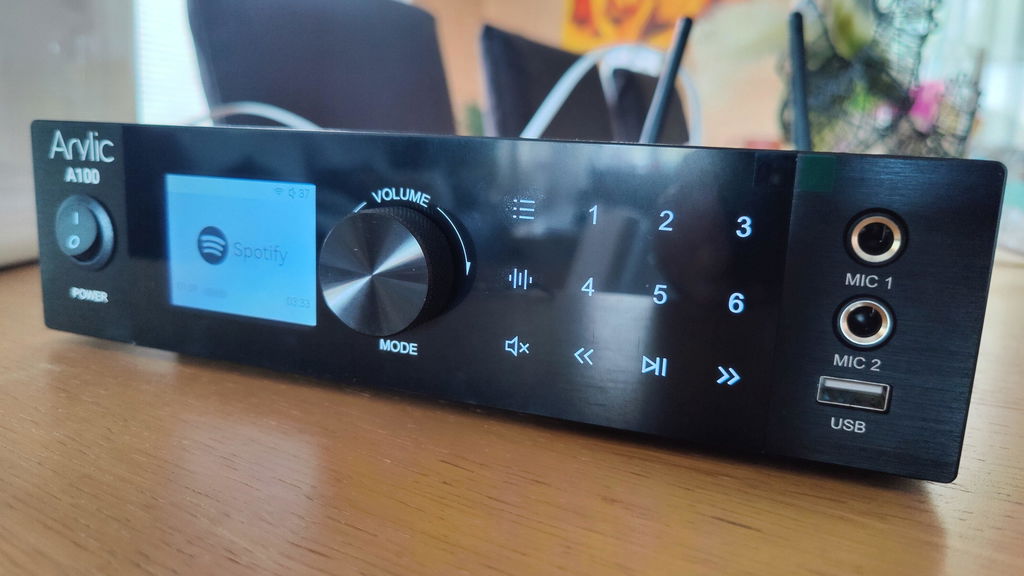
Or you can start with the A100 Power Amplifier as the center to build your multi-room setup:
Multi Room Audio with AirPlay & Google Cast
As multi-room audio has developed, some Arylic products now offer more ways to connect and control your music. In addition to dedicated app control, compatible products support platforms such as AirPlay and Google Cast.
Users have more choices to build their multi-room system. For example, users with compatible Google devices can use Google Cast, while users with compatible Apple devices can use AirPlay.
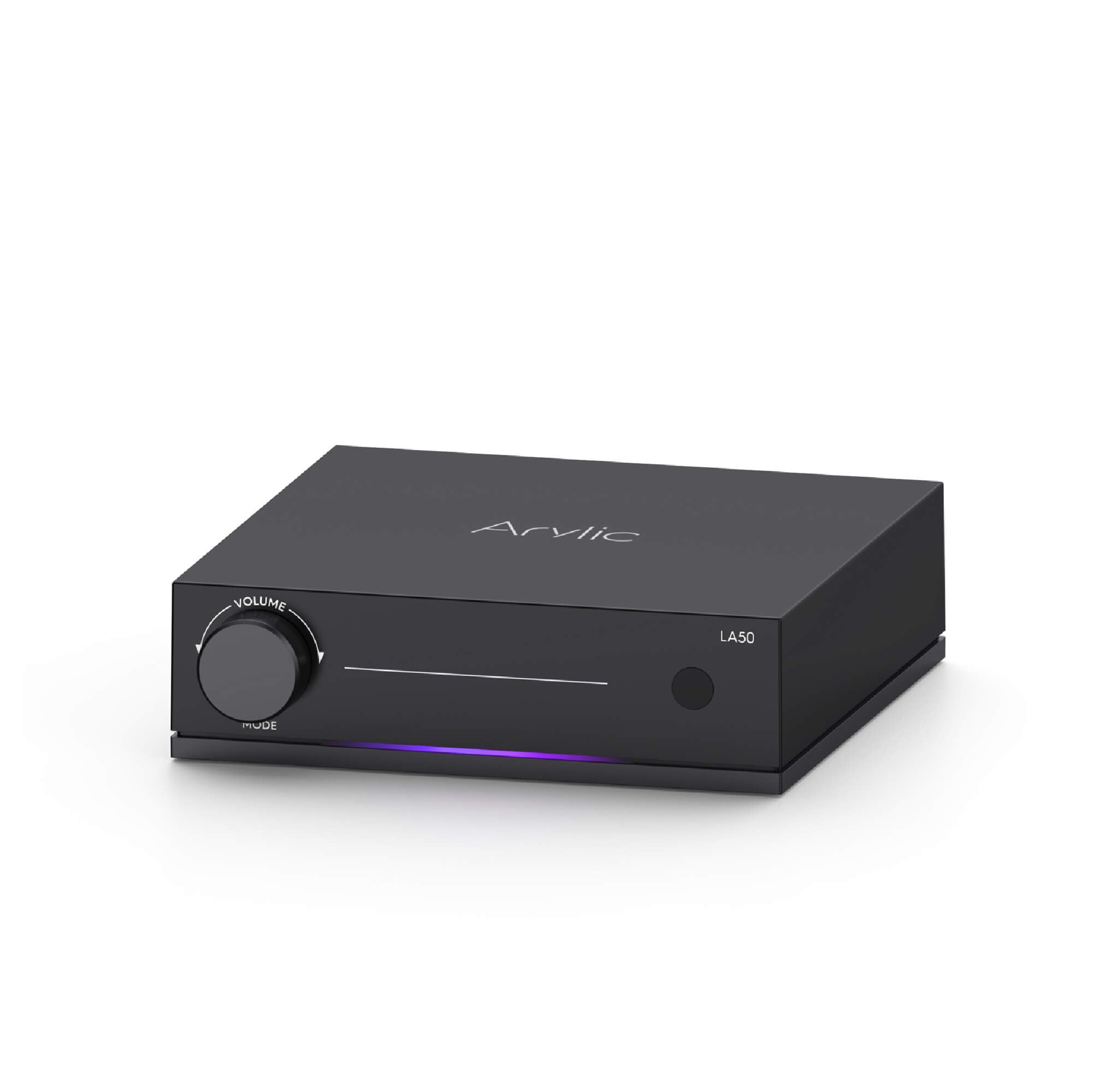
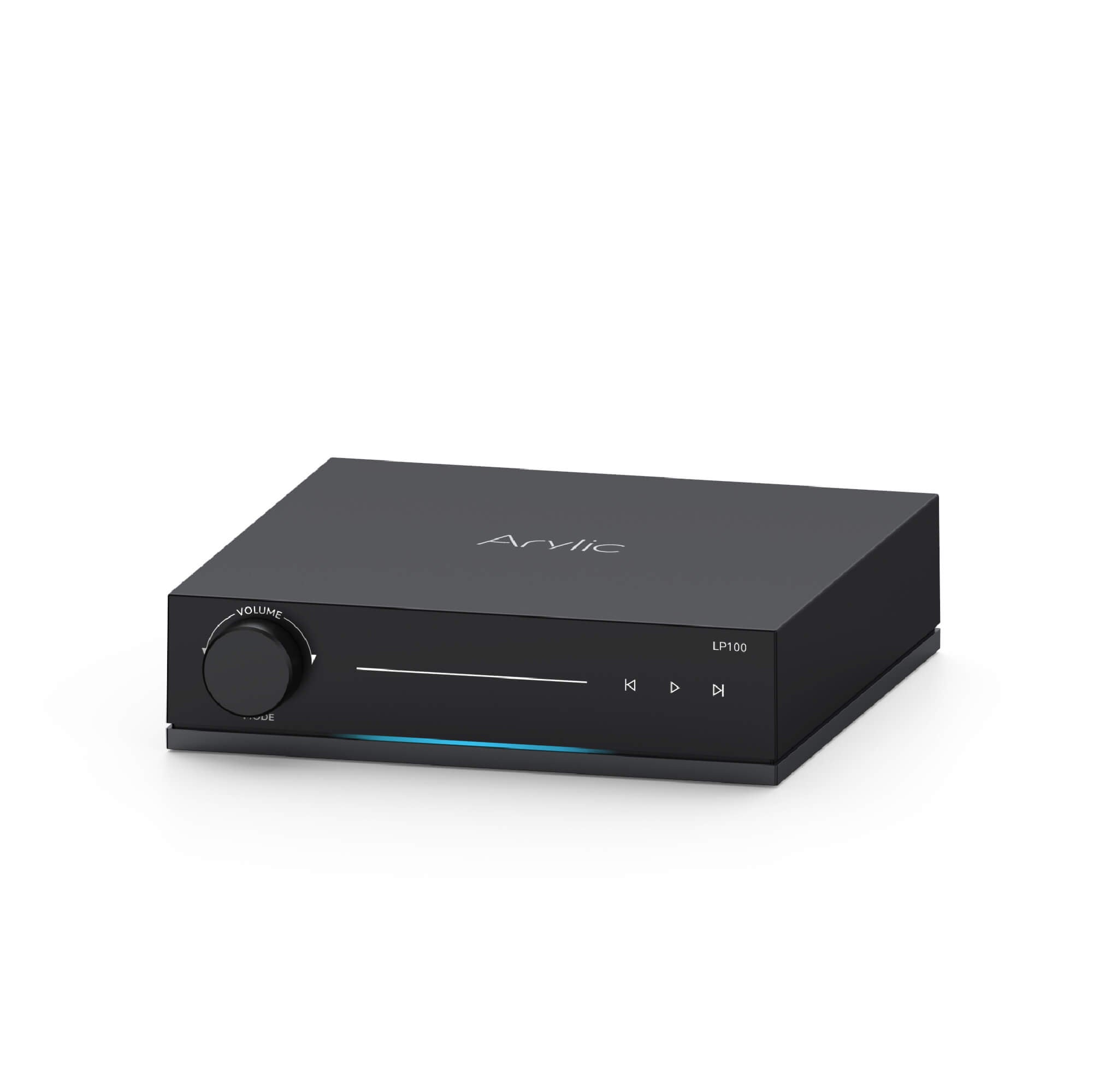
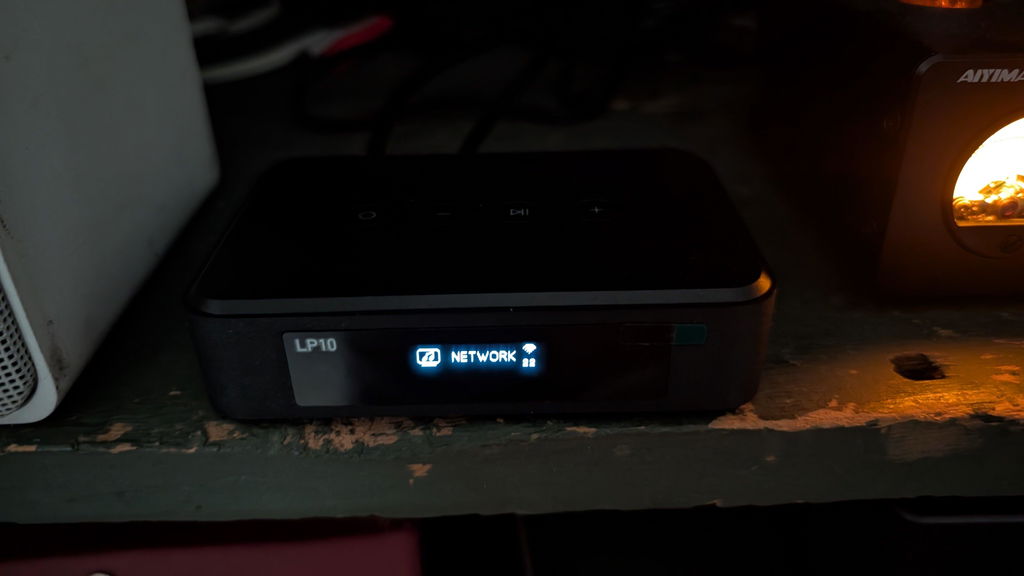
Arylic's L Series products, including the LP and LA Series, support these broader connection options, giving users more flexibility when building a connected audio system.
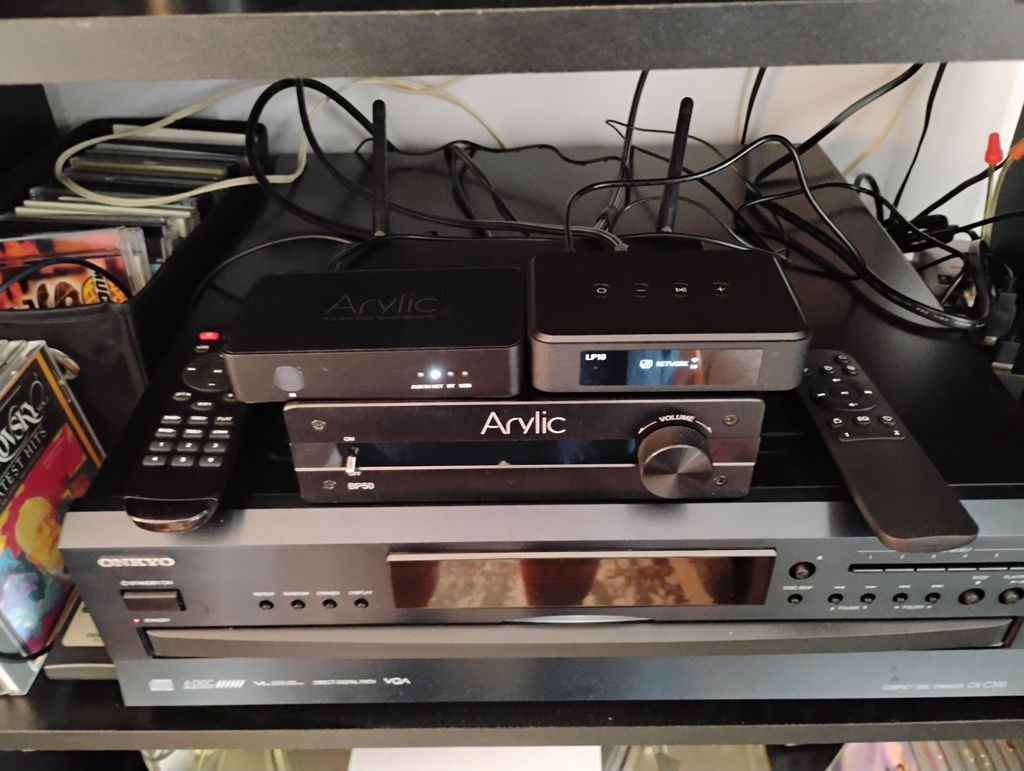
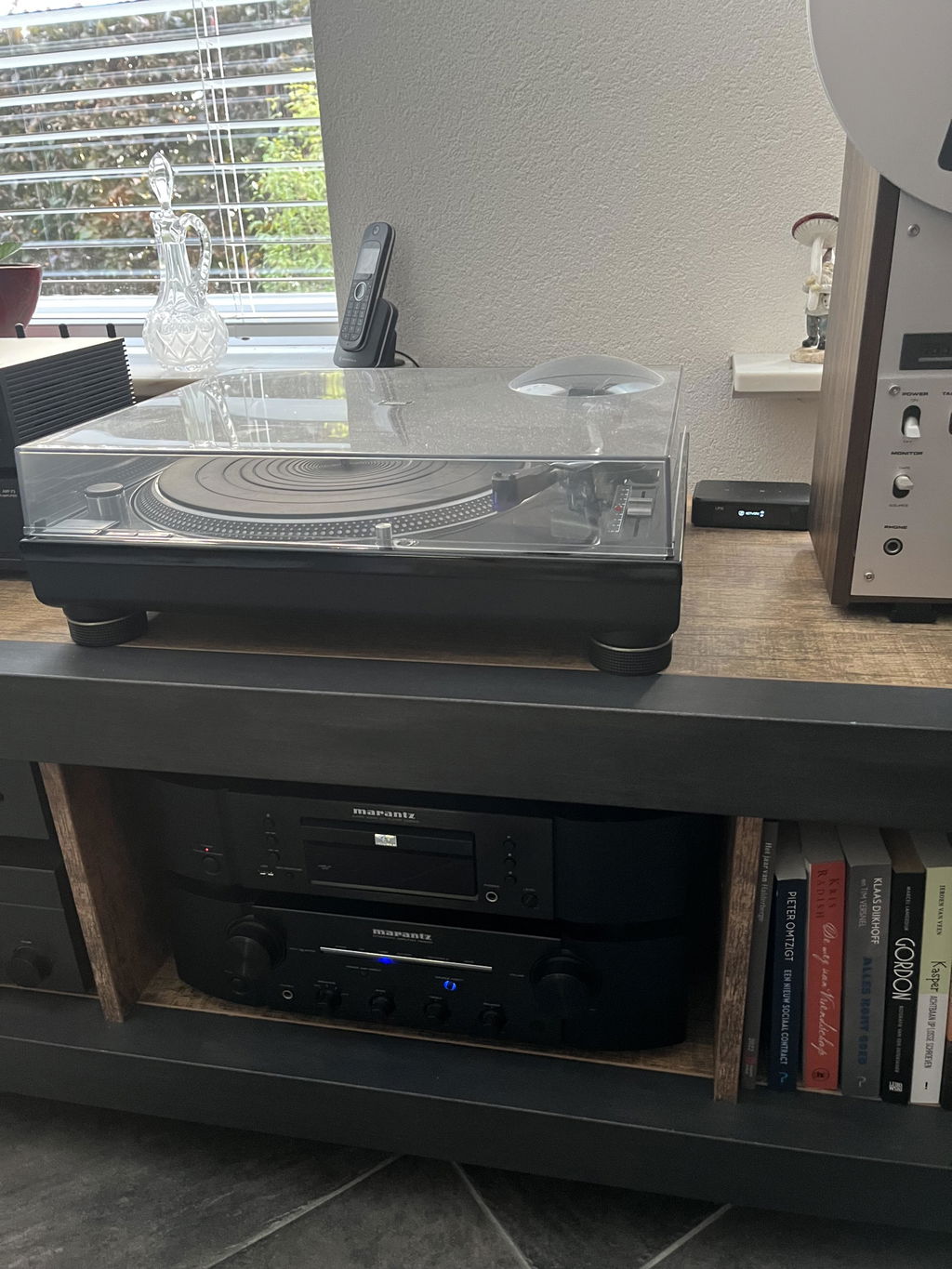
You can build a simple Hi-Fi audio setup with multi-room support using the LA50 streaming amplifier:
And you can also build an all-in-one Hi-Fi audio hub by working with the LP100 music streamer:
Arylic Traditional Multi Room Audio vs. Modern Multi Room Audio
|
Multi-Room
|
Arylic App Multi Room
|
AirPlay 2 / Google Cast Multi Room
|
|---|---|---|
|
Compatible Devices
|
A/S/H Series
|
L Series
|
|
Core
|
Build a multi-room system through the Arylic App
|
Build a multi-room system through AirPlay 2 or Google Cast
Roon Ready support (LP100 only)
|
|
Control System
|
Arylic App
|
Supported apps and Apple / Google platforms
|
|
Multi-room audio
|
Supported online services and audio sources
|
Online services and apps
|
|
Synchronized playback
|
Yes
|
Yes
|
|
Multiroom with Apple, Google, Sonos speakers
|
No
|
Yes
|
|
Multiroom with Google Speakers
|
No
|
Yes
|
|
Bluetooth to multi-room
|
Yes
|
No
|
|
Line-in to multi-room
|
Yes
|
No
|
|
NAS / Local Music
|
Yes
|
Yes
|
|
Apple Home / Google Home Integration
|
No
|
Yes
|
|
Need for Arylic App
|
Required
|
Not required for AirPlay 2 / Google Cast multi-room
|
|
Ecosystem
|
Mainly Arylic devices (some products support Alexa or AirPlay 2)
|
Apple / Google
|
|
Main Advantage
|
Flexible audio sources within the Arylic ecosystem
|
Easy integration with supported platforms
|
Conclusion
Although multi-room audio has evolved from dedicated apps to more flexible ways of managing audio devices, the basic purpose is still to help people to enjoy music across different rooms easily.
This article isn't meant to determine which multi-room solution is the best, but rather to help readers find the one that best suits their needs. Whether it's traditional or modern multi-room audio, the right choice ultimately depends on your daily needs.
We hope this article answers readers' questions and helps them to solve some problems. Hoping everyone can enjoy their listening experience.




Leave a comment
All comments are moderated before being published.
This site is protected by hCaptcha and the hCaptcha Privacy Policy and Terms of Service apply.