


What Happened to the Bose SoundTouch Cloud Service?
Bose announced that support for the SoundTouch cloud service ended on May 6, 2026. This marks the end of one of Bose’s long-running smart audio ecosystems. As a result, some smart features through SoundTouch are no longer available. Many users were shocked by the news and expressed concern about cloud-dependent audio systems.
One detail from Bose’s official announcement is particularly interesting. Instead of shutting down the SoundTouch service completely, Bose has updated SoundTouch App to support local playback and local control features without relying on cloud services including Spotify Connect, speaker grouping, and basic playback control.
At the same time, more cloud-dependent features such as Alexa integration, music service browsing, and presets disappeared.
What does Bose's action reveal?
The Rise and Risks of the Cloud Ecosystem
The cloud ecosystem enables features such as streaming media integration, multi-room playback, voice assistants, and remote application control, and forms the foundation for many modern intelligent audio systems.
Cloud ecosystems made smart audio systems far more convenient and connected than traditional Hi-Fi setups.
However, this convenience also brings a problem: if the cloud service is down or shut down, these activities will be impossible.
The Problem With Cloud Ecosystem Dependency
The SoundTouch shutdown revealed a problem with cloud-dependent smart audio systems: hardware can still work perfectly even after parts of the software ecosystem disappear.
First introduced in 2013, the Bose SoundTouch series represented an early generation of cloud-connected smart audio systems. More than a decade later, Bose announced that it could no longer sustain the cloud infrastructure powering the platform. Therefore, although many devices are still functioning well and continue to be used, SoundTouch has entered the end of its product lifecycle.
Bose needs continuous investment in servers, software support, security, streaming integrations, and long-term engineering support. For many users, the frustrating part wasn’t the speaker hardware — it was watching smart features disappear over time.
More importantly, not all smart features disappeared equally. Functions that highly depend on cloud service became limited, while functions capable of operating locally often continued working normally.
This difference highlights an important concept in modern audio design: the local playback system.

SoundTouch App Update from Cloud Ecosystem to Local Playback
In a local playback system, music playback and device control take place directly within your own hardware and home network.
Employing a local playback system, devices are highly independent and can communicate directly point-to-point. Users have better control over their devices, resulting in a more stable playback experience.
Cloud Ecosystems vs Local Playback Systems
|
|
Cloud Ecosystems
|
Local Playback Systems
|
|---|---|---|
|
Playback
|
Device - Cloud Service - Device
|
Device - Device
|
|
Infrastructure Dependency
|
Cloud Service Dependence
|
Local Network Dependence
|
|
Core Functionality
|
Dependent on Cloud Services
|
Independent core functionality
|
|
System Focus
|
Cloud Service
|
Hardware
|
|
Long-term Usability
|
Dependent on Cloud Service Lifecycle
|
Dependent on Hardware Lifespan
|
|
Control
|
More Platform Control
|
More User Control
|
Why This Shift Matters?
The shift from cloud-based systems to local playback systems is not about rejecting smart features or fully discarding cloud connection. Instead, it reflects growing demand for long-term availability, stable experience and independent service.
The question becomes how much of the original experience remains available without the cloud ecosystem behind it.
Future Trends in Smart Audio Systems
Future smart audio systems are expected to balance convenience with long-term usability.
The Limit of Cloud-First Audio Systems
One of the biggest challenges of cloud-first audio systems is the imbalance between hardware lifespan and software lifecycle.
As for the development of smart audio, modern smart audio systems are becoming increasingly dependent on cloud infrastructure. In contrast, the complexity of maintaining cloud services is increasing. As a result, the lifespan of smart features may no longer match the lifespan of the hardware.
Consequently, in modern smart audio systems, hardware longevity no longer guarantees long-term feature availability.
Why Local Playback Systems Matter?
With local playback, music is played directly through your device and network, without needing to be transferred to a cloud system.
As long as the hardware itself is still operational, many basic playback functions will remain functional and will not suddenly disappear.
The Rise of Hybrid Audio Architecture
Does this mean local playback systems are perfect? Should all manufacturers adopt local playback systems and discard cloud ecosystem completely?
Not necessarily. The core value of cloud ecosystems is connectivity and convenience, while the core value of local playback systems is long-term independence and stable functionality.
Cloud ecosystems maximize convenience and local playback systems maximize survivability. That is the meaning of hybrid audio architecture. Also, it is the future trend of smart audio systems.
A More Native Approach to Smart Audio
Beyond Cloud-first Audio Design
Future smart audio systems need convenience but also should remain locally accessible. A single cloud-dependent ecosystem can no longer fully support the long-term evolution of smart audio systems. Bose isn't the first company to shut down the cloud service platform, and it is most probably not the last one. Local-first playback represents an increasingly important trend.
With the development of smart audio systems, this also raises an important question: if a cloud ecosystem eventually disappears, what can we do to the hardware that still works perfectly?
Perfect Local-First Playback in Practice - Arylic
In many modern smart audio systems, the streamer has effectively become the core of the playback architecture, which can handle streaming, local network playback, multi-room synchronization, and smart connectivity and also can revive cloud-dependent speakers.
Arylic is designed around native local network playback, using widely supported protocols including AirPlay, DLNA, UPnP, Google Cast, and Spotify Connect instead of depending heavily on a fixed cloud-controlled ecosystem. Rather than relying heavily on a single fixed cloud ecosystem, this approach allows more core playback functions to remain available within the local network over time while still supporting modern smart audio features.
Modern Streaming Solutions for Legacy Audio Systems
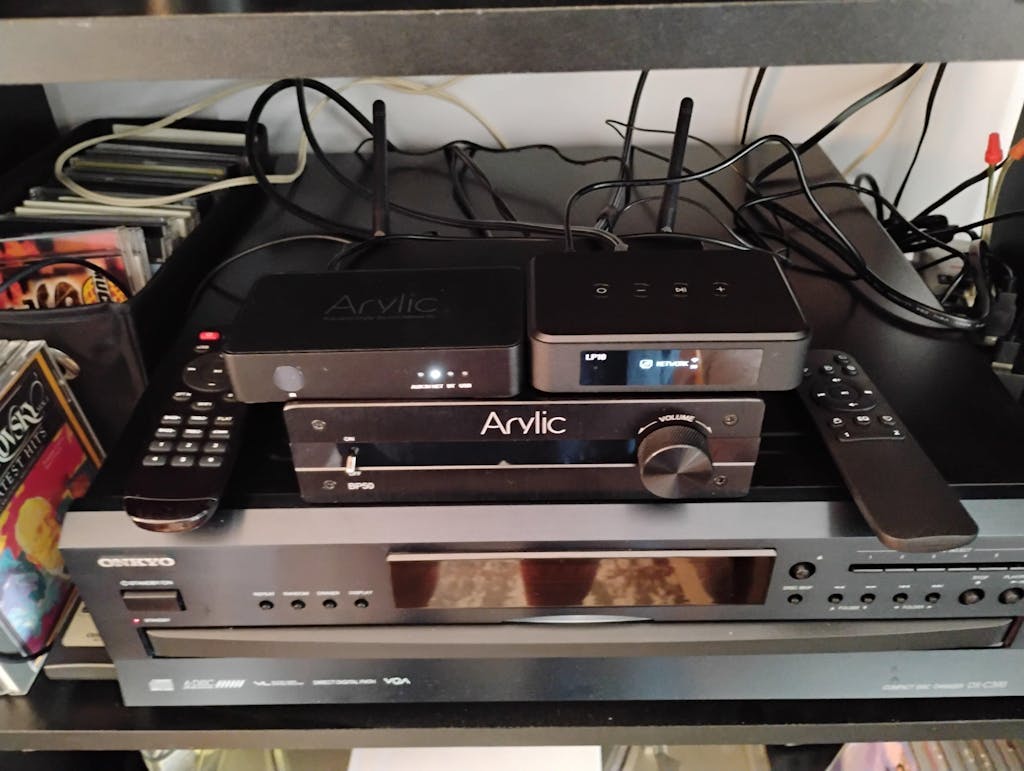
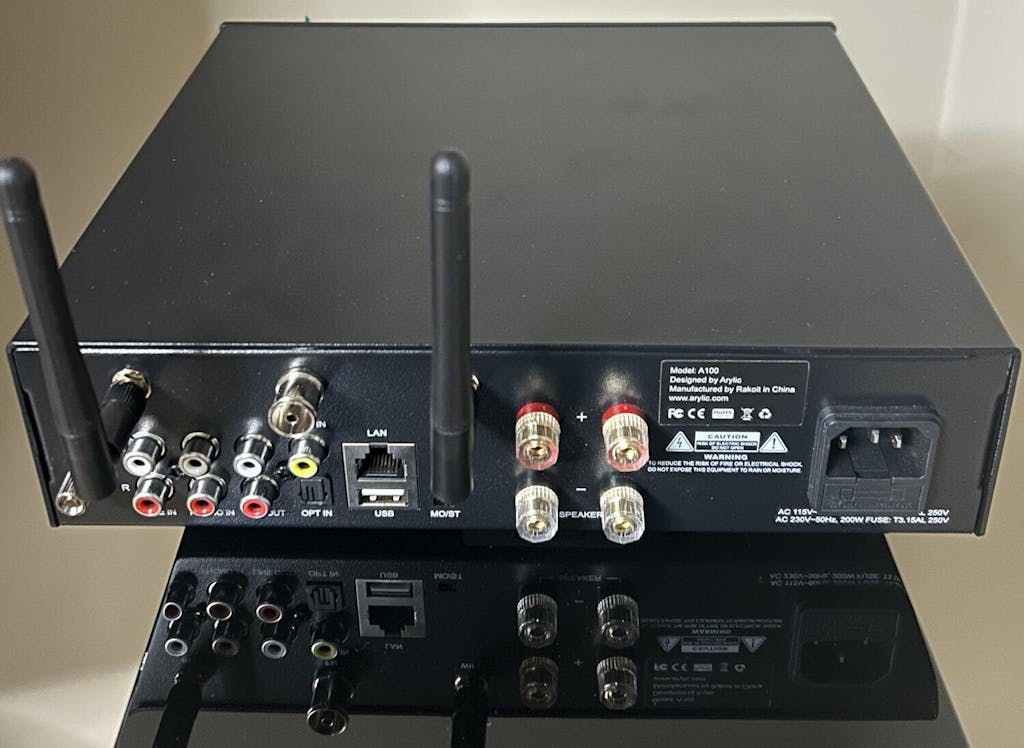
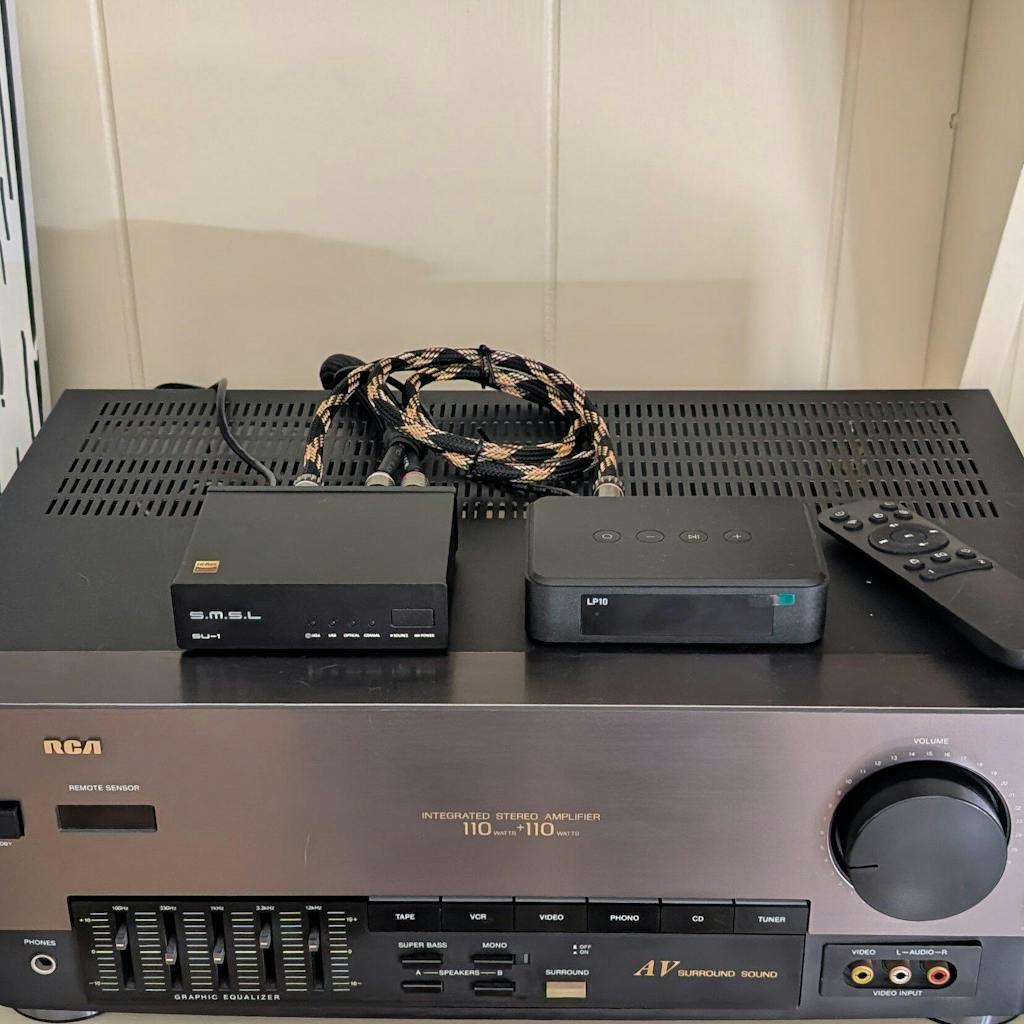
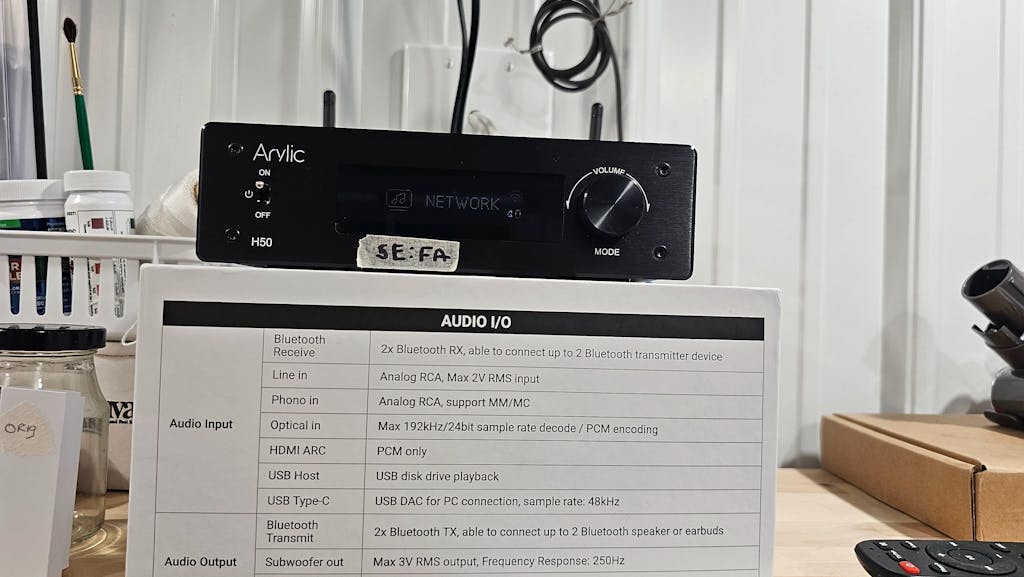
Modern Arylic Wireless Preamplifier for Existing Audio Systems
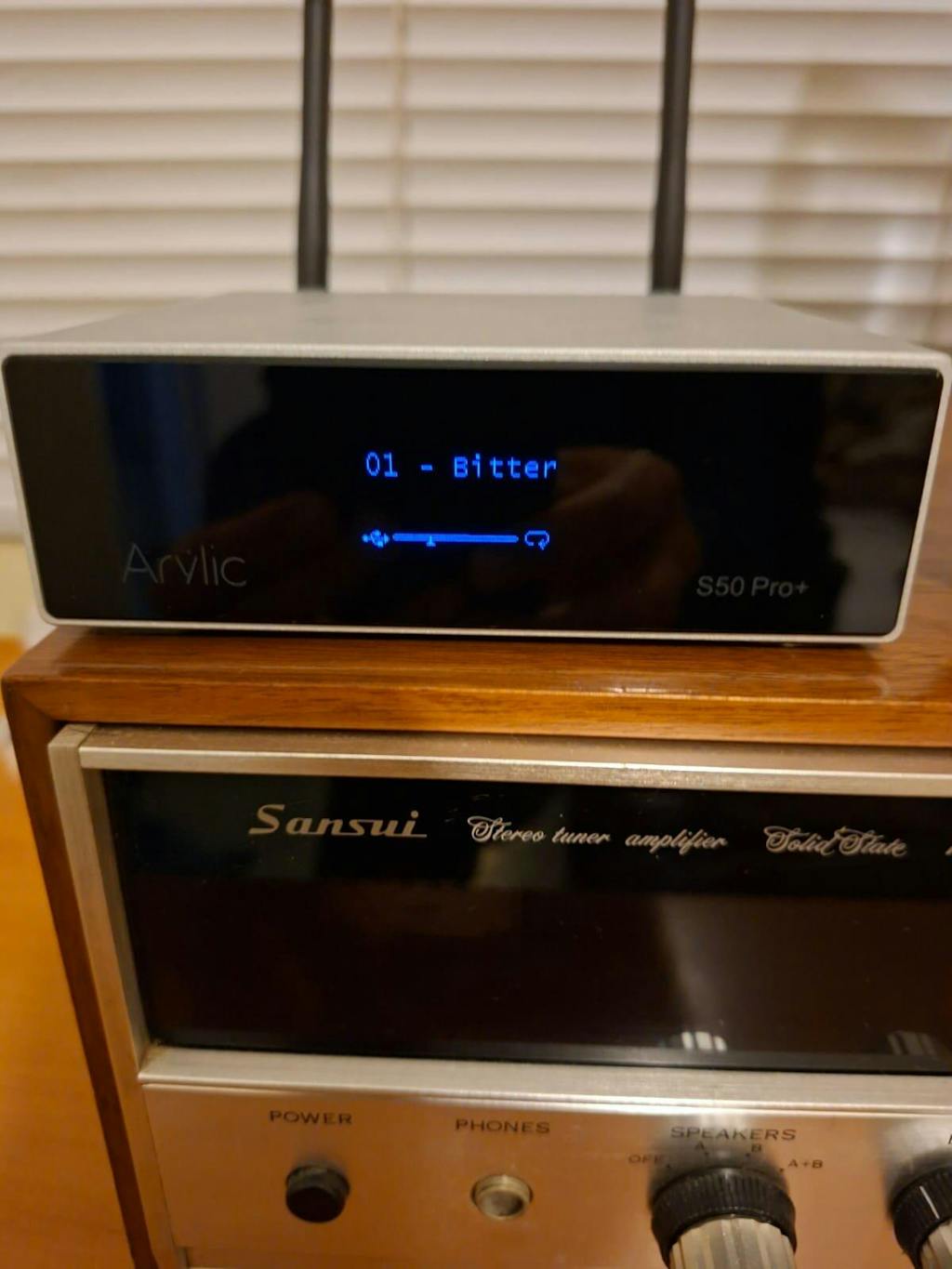
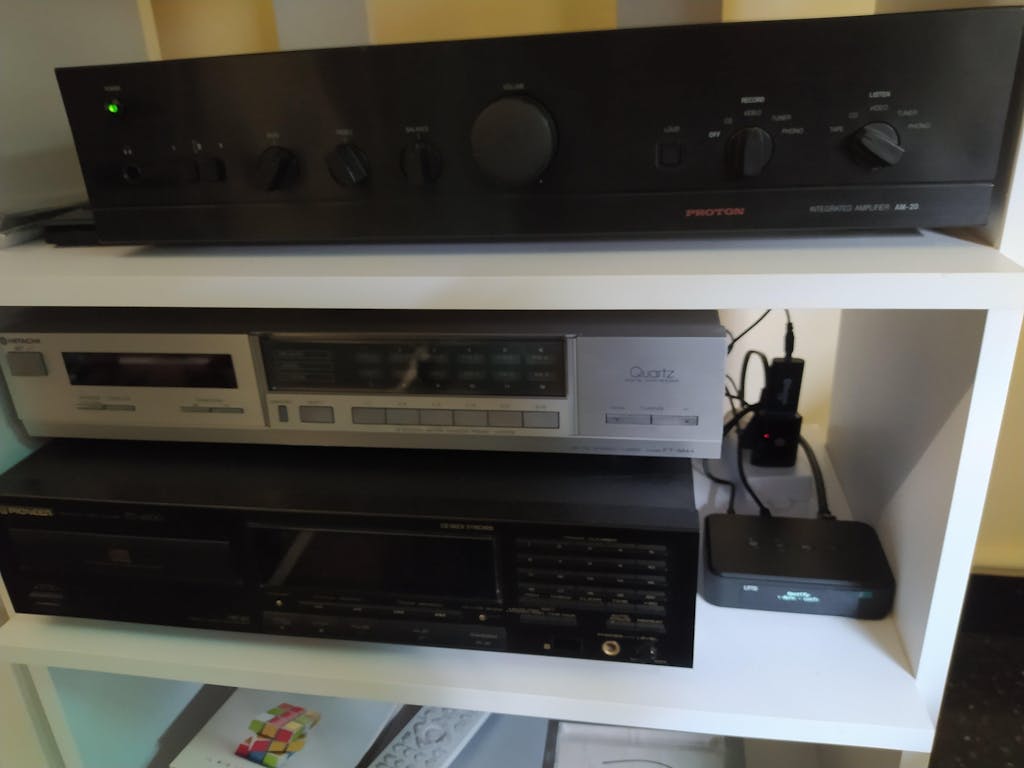
Simply add an Arylic streamer to your cloud-dependent system, and Arylic helps bring modern streaming back to existing audio systems like SoundTouch, restoring modern smart streaming functionality. Users can bring modern streaming and multi-room functionality back to existing hardware — extending the usability of speakers that might otherwise lose much of their original smart experience.
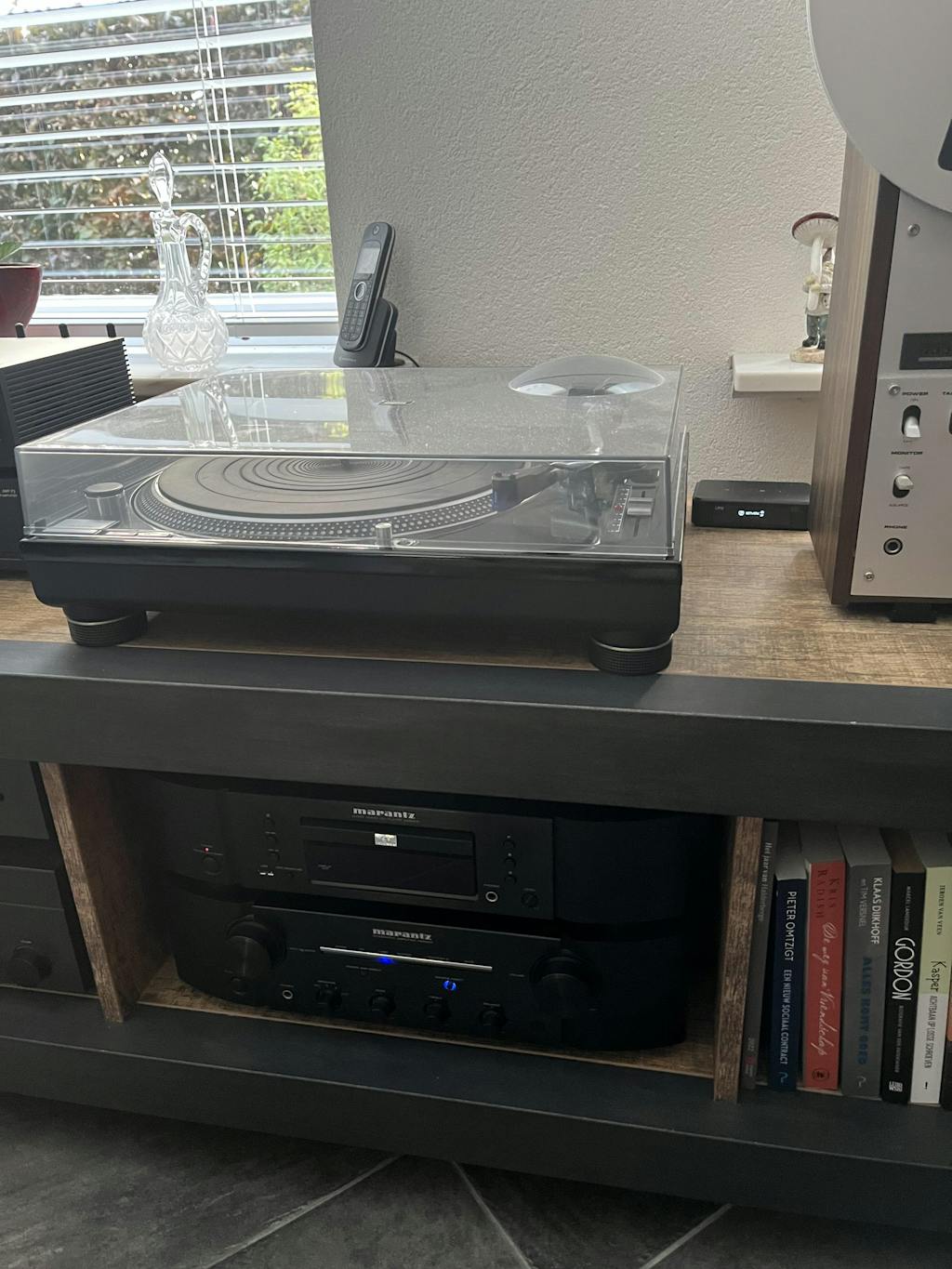
Rather than replacing an entire setup, users can modernize older amplifiers, active speakers, and legacy audio systems through native local network playback and modern streaming protocols.
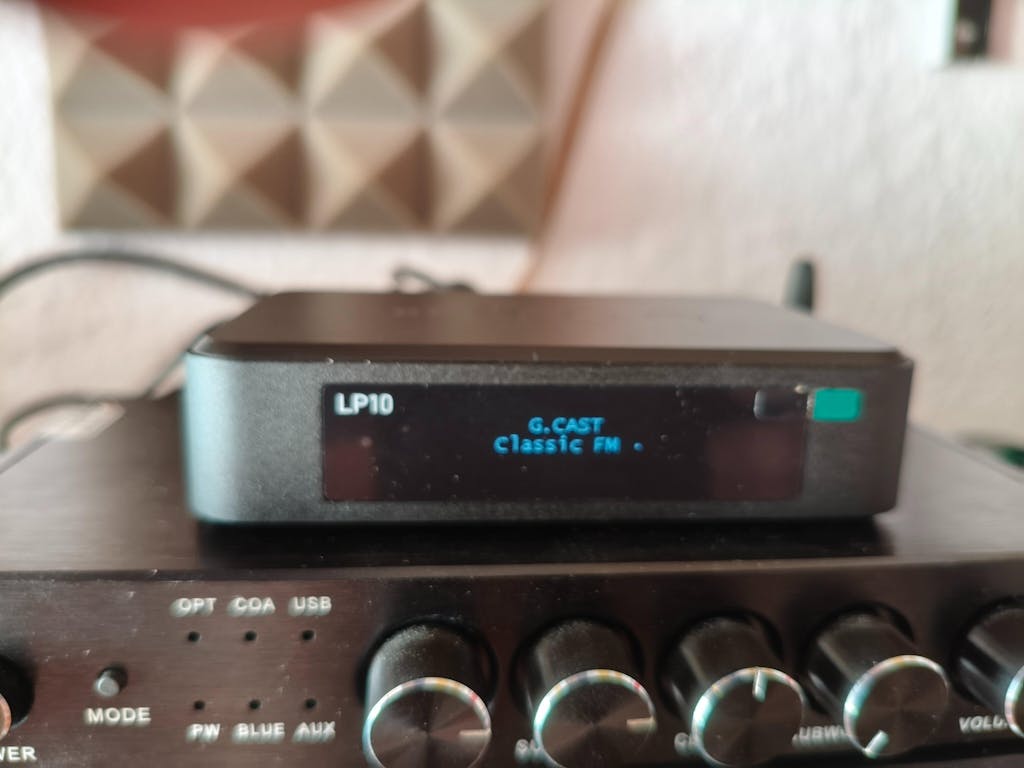
To support different types of listening setups, Arylic developed the LP Series streamers, including LP10, LP20, and LP100.
Each model is designed for different audio environments — from compact desktop systems and powered speakers to more advanced Hi-Fi and multi-room audio setups — while maintaining the same local-first playback philosophy.

Which LP Streamer Fits Your Setup?
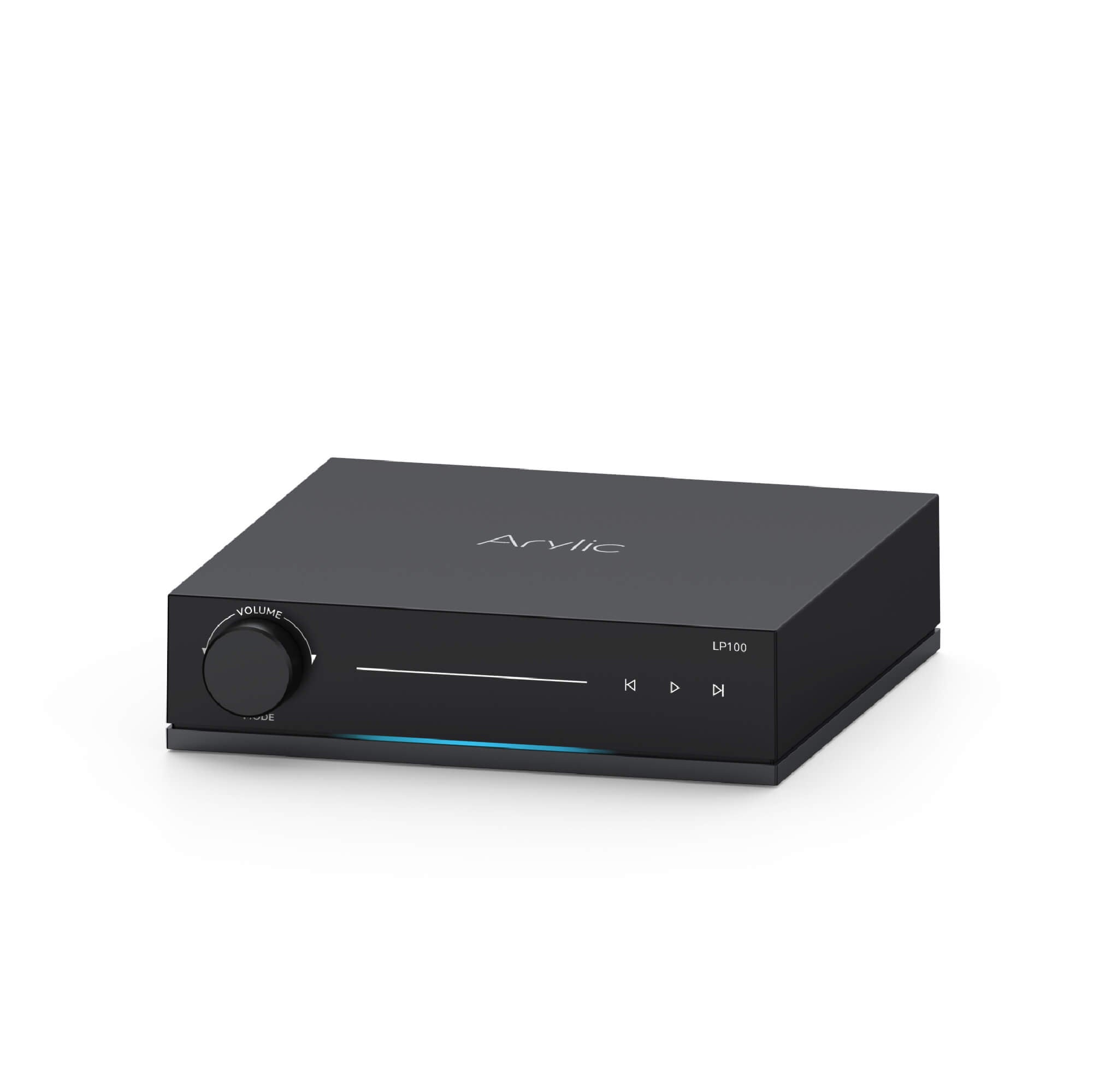
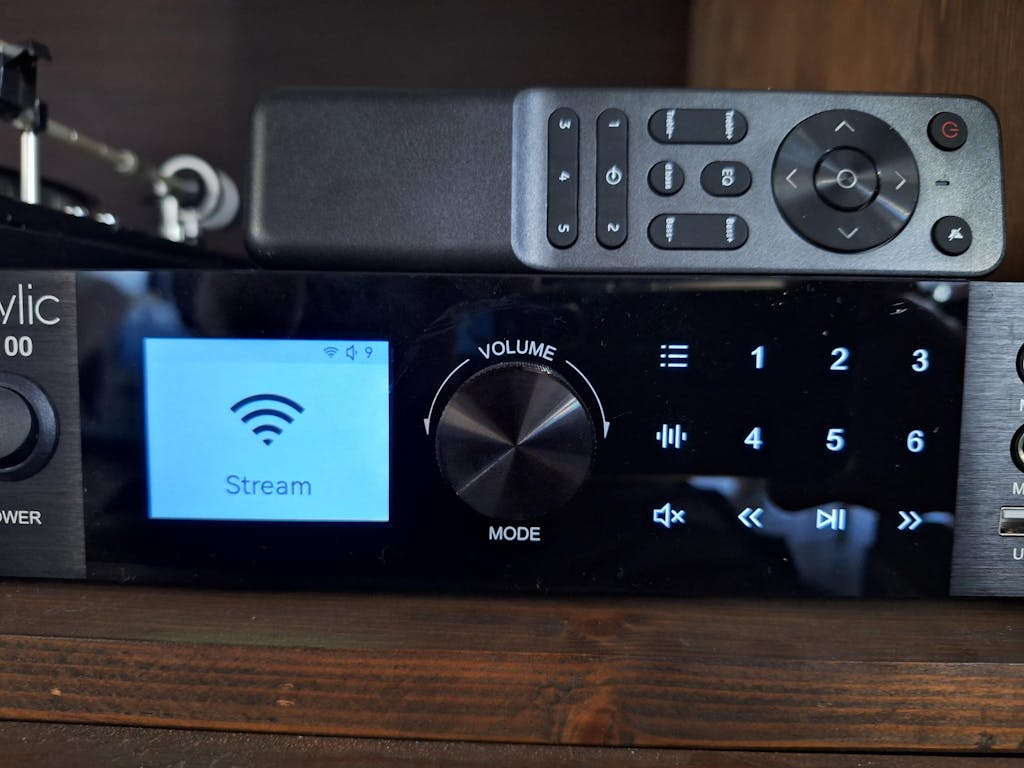
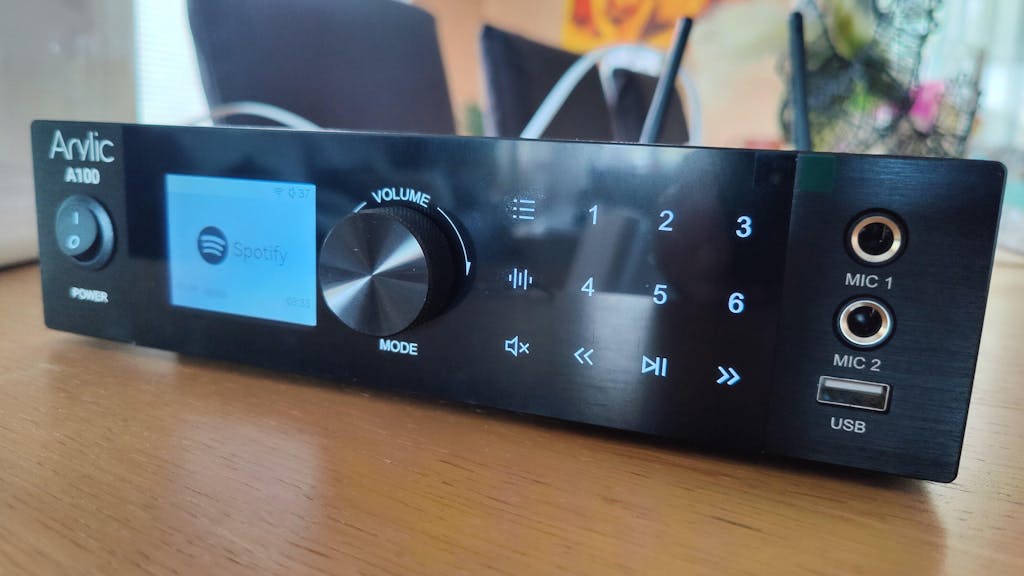
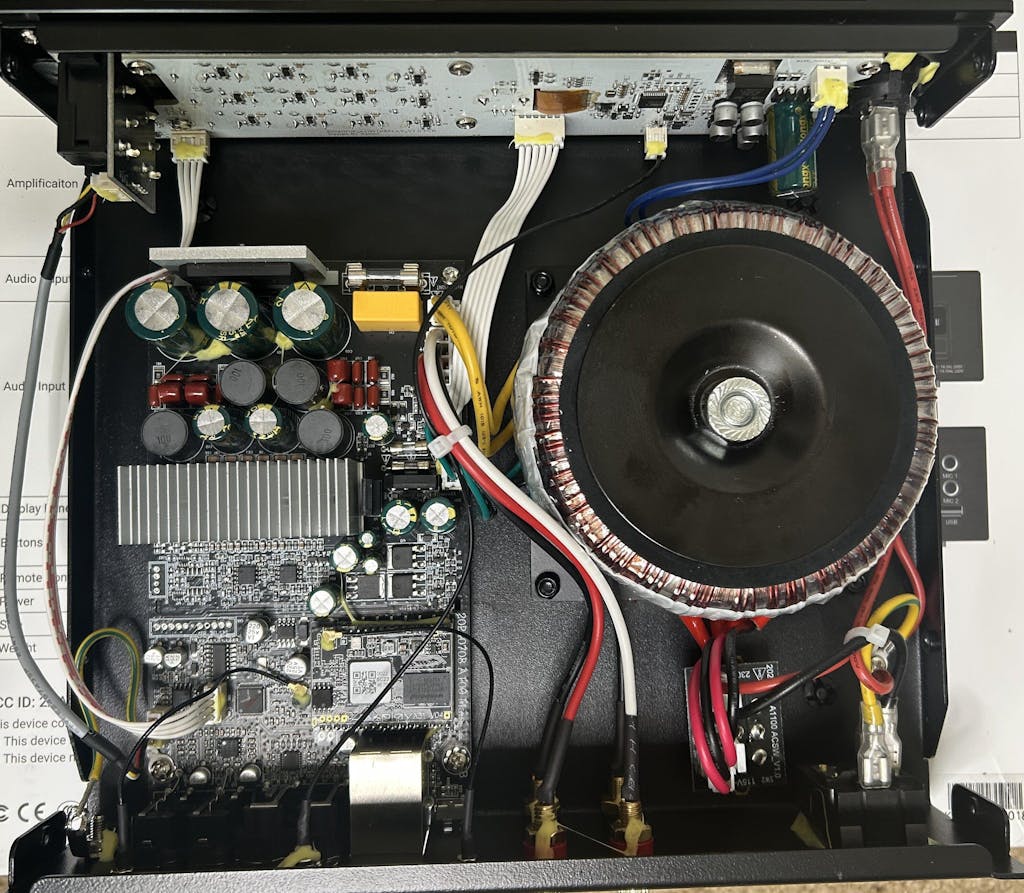
LP100 — Ultimate Hi-Fi Streaming Preamplifier
Precision engineered for pure sound, LP100 is designed to be the modern centerpiece of the Hi-Fi system. The LP100 seamlessly integrates with your TV, PC, turntable, subwoofer, USB storage and existing Hi-Fi system.
Integrating streaming media resources, LP100 is built for users who want a complete premium streaming solution.
Click here to see more: https://www.arylic.com/products/lp100-music-streamer
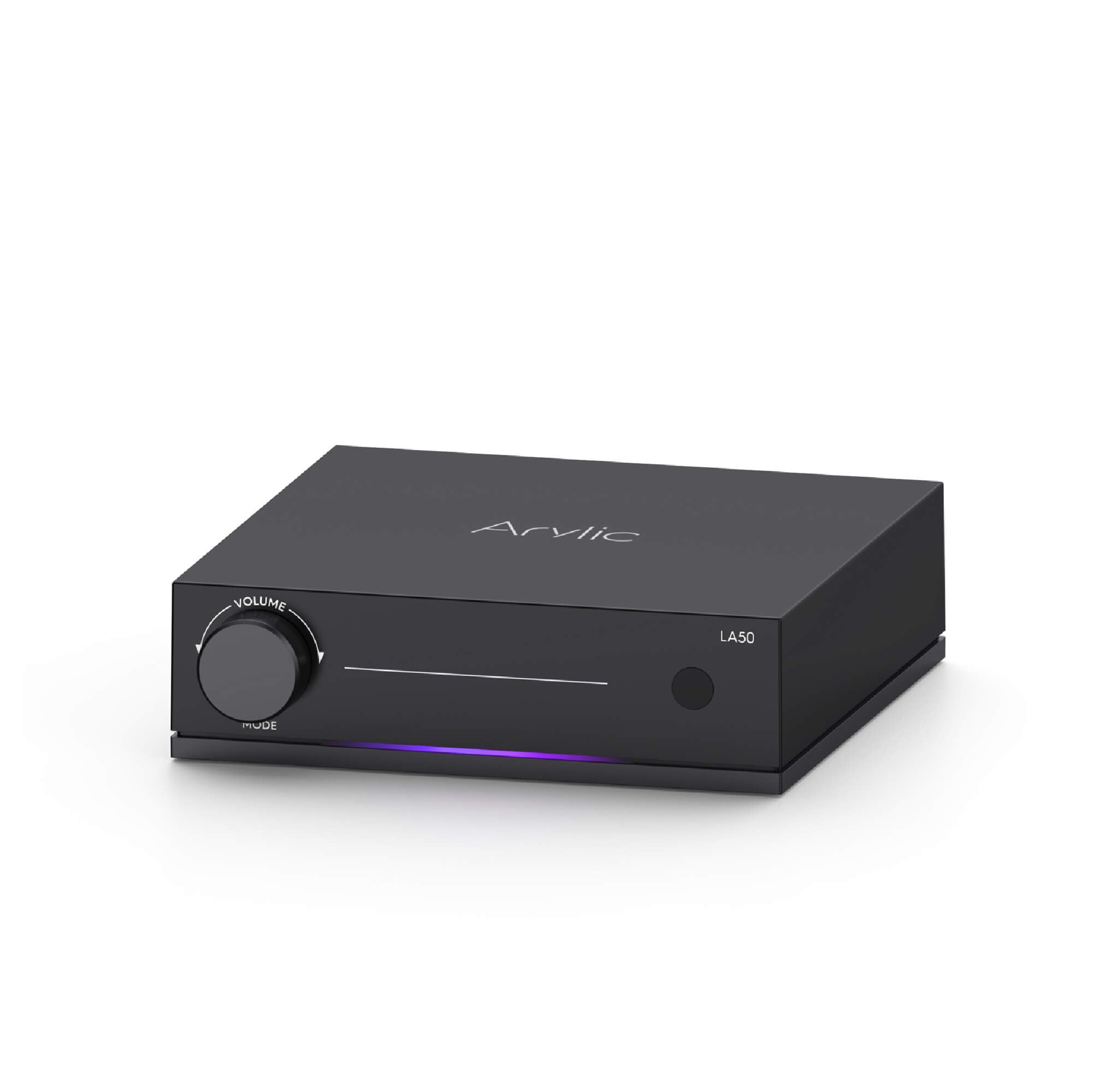
LP20 — Pure Hi-Fi Streaming Preamplifier
Focused on clean sound, LP20 features a high-quality DAC that provides a more refined listening experience especially for music listening and clean desktop Hi-Fi setups.
Click here to see more: https://www.arylic.com/products/lp20-music-streamer
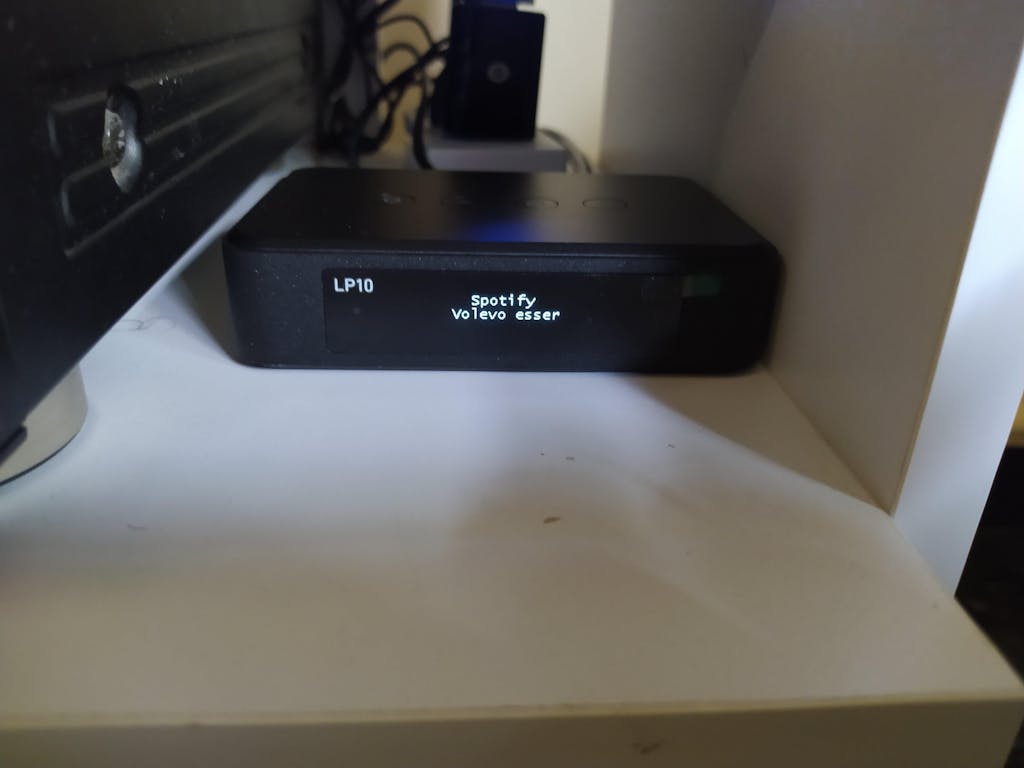
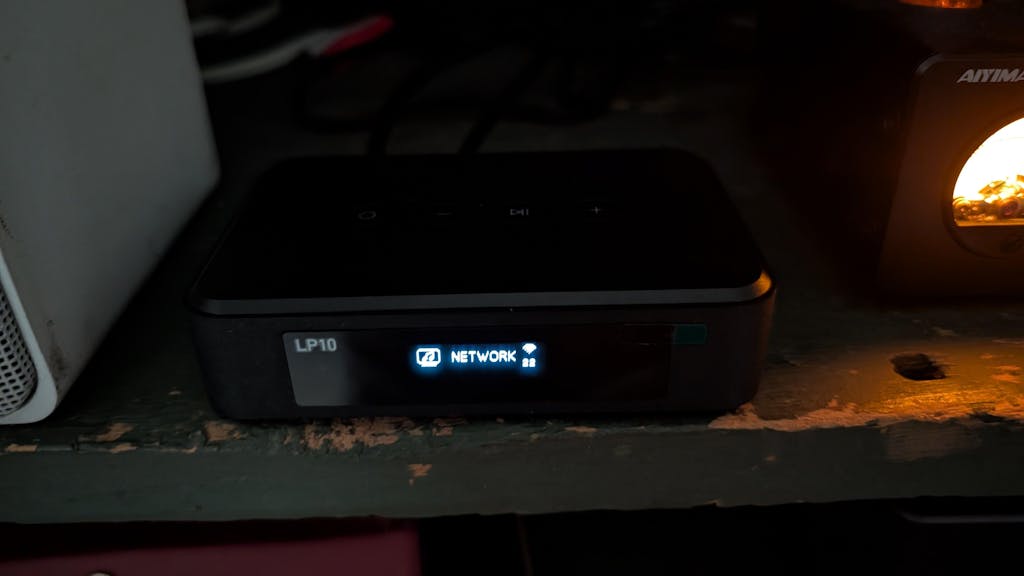
LP10 — Easy Hi-Fi Streaming Preamplifier
Simple and compact, LP10 makes upgrading older audio systems easy and accessible, making it an easy and accessible upgrade for older setups.
Click here to see more: https://www.arylic.com/products/lp10-music-streamer
The Comparison of LP100 & LP20 & LP10
|
|
LP100
|
LP20
|
LP10
|
|---|---|---|---|
|
Best For
|
Complete modern audio
|
Focused music listening
|
Easy streaming upgrade
|
|
Wireless Capability
|
Wi-Fi(2.4G/5G)
AirPlay (2)
Google Cast (Chromecast)
Spotify Connect
TIDAL Connect
Qobuz Connect
Roon Ready
Bluetooth 5.4
AURACAST
UPnP, DLNA
|
Wi-Fi(2.4G/5G)
AirPlay (2)
Google Cast(Chromecast)
Spotify Connect
TIDAL Connect
Qobuz Connect
Bluetooth 5.0
UPnP/DLNA
|
Wi-Fi(2.4G/5G)
AirPlay (2)
Google Cast(Chromecast)
Spotify Connect
TIDAL Connect
Qobuz Connect
Bluetooth 5.0
UPnP/DLNA
|
|
Multi-room
|
Roon Ready, AirPlay(2), Google Cast
|
AirPlay(2), Google Cast
|
AirPlay(2), Google Cast
|
|
Control
|
BLE Remote, Go Control APP, Voice (Siri, Google Cast), Knob Button, Touch Sensor Button
|
IR Remote, Go Control APP, Voice (Siri, Google Cast), Knob Button
|
IR Remote, Go Control APP, Voice (Siri, Google Cast), Mode Button, Vol Button, Play/Pause Button
|
|
Audio Input
|
Line out, Optical out, Subwoofer out, 12V Trigger out
|
Line in, Optical in, USB, USB DAC (Type-C)
|
USB, Line in
|
|
Audio Output
|
Line out, Optical out, Subwoofer out, 12V Trigger out
|
Line out, Optical out, Coaxial out, Subwoofer out, 12V Trigger out
|
Line out, Optical out
|
|
Audio Format (up to)
|
192kHz/24bits (Hi-res)
|
192kHz/24bits (Hi-res)
|
192kHz/24bits (Hi-res)
|
|
Preset Playlist
|
Yes
|
Yes
|
Yes
|
|
Upgrade Philosophy
|
Full modern audio system upgrade
|
Clean listening focused upgrade
|
Simple streaming upgrade
|
Conclusion — Keep & Revive Your Cloud-dependent Audio Systems
Many cloud-dependent audio systems still deliver excellent sound years later. More than just audio devices, they are part of your home, your routines, and your memories. Replacing an entire system simply because software support has ended can feel both unnecessary and frustrating.
The Arylic LP Series is designed to bring modern wireless streaming back to the equipment you already love. Whether you want a simple streaming upgrade, a focused Hi-Fi setup, or a complete modern audio hub, the Arylic LP Series helps extend the life of your existing system with modern streaming convenience and multi-room flexibility.


Leave a comment
All comments are moderated before being published.
This site is protected by hCaptcha and the hCaptcha Privacy Policy and Terms of Service apply.